Winter Gardening Mistakes Even Experienced Gardeners Make and How to Avoid Them for a Thriving Cold-Season Garden
If you’ve ever looked out at your garden in winter and wondered why some plants bounce back in spring while others don’t, you’re not alone. Even seasoned gardeners run into trouble when the temperature drops.
It’s easy to overlook small details that make a big difference for your plants, soil, and tools when cold weather rolls in. Avoiding a few common missteps can set your garden up for a healthy start when things warm up again.
Neglecting to shut off outdoor water supply and drain hoses

Forgetting to turn off your outdoor water supply before winter is a headache waiting to happen. Water left in hoses and pipes can freeze, leading to cracks, bursts, and expensive repairs.
Disconnect all garden hoses and drain out any remaining water. Leaving water in hoses can cause them to split open.
Don’t forget to shut off the indoor valve that controls outdoor faucets. This stops water from getting trapped in pipes outside.
Once the valve is closed, open your outdoor faucets to let any last drops out. Cover the faucets with insulated covers or wrap them in old towels for extra frost protection.
These small steps help you avoid plumbing disasters and keep your garden tools in good shape for next year.
Stopping watering shrubs too early before winter
It’s tempting to stop watering shrubs as soon as the weather gets chilly. But their roots still need moisture until the ground freezes solid.
If you quit watering too soon, shrubs can become stressed and more vulnerable to winter damage. Dry soil makes it harder for roots to bounce back in spring.
Keep an eye on soil moisture. If the ground isn’t frozen and feels dry, give your shrubs a deep drink.
This helps them store enough water to survive the cold months. Healthy roots now mean healthier plants later.
Failing to insulate vulnerable plant roots
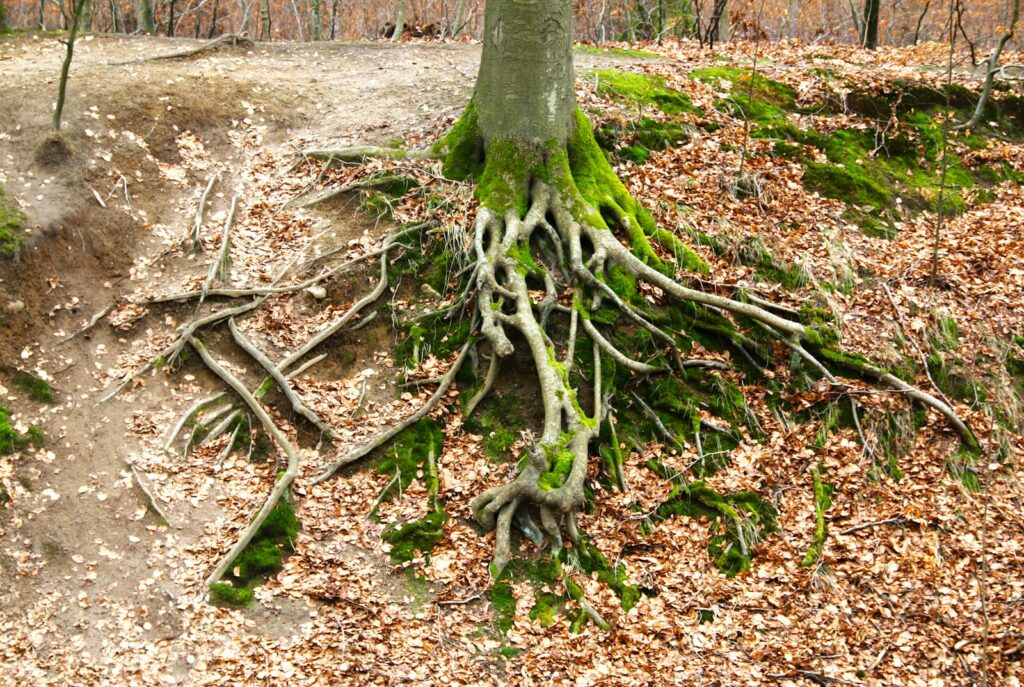
Roots are the hidden heroes of your plants, especially in winter. When they’re left unprotected, cold snaps can cause real damage.
Adding mulch around your plants helps keep the soil warm and shields roots from freezing temperatures. Materials like straw, wood chips, or shredded leaves work well as insulation.
Mulch also helps the soil retain moisture during dry winter air. If roots aren’t covered, sudden drops in temperature can harm or even kill your plants.
A little extra effort now means better growth and happier plants when spring arrives.
Pruning at the wrong time causing damage
Pruning isn’t just about shaping your plants—it’s also about timing. Cutting back branches at the wrong moment can harm new growth or flower buds.
If you prune when it’s too cold, cuts may freeze and become entry points for disease. Some plants even bleed sap if pruned in the wrong season.
Wait until the risk of frost is low but before new growth starts. This gives your plants the best chance to heal and thrive.
Knowing the right time to prune each plant pays off with healthier branches and more blooms.
Ignoring signs of pest infestations in cold months
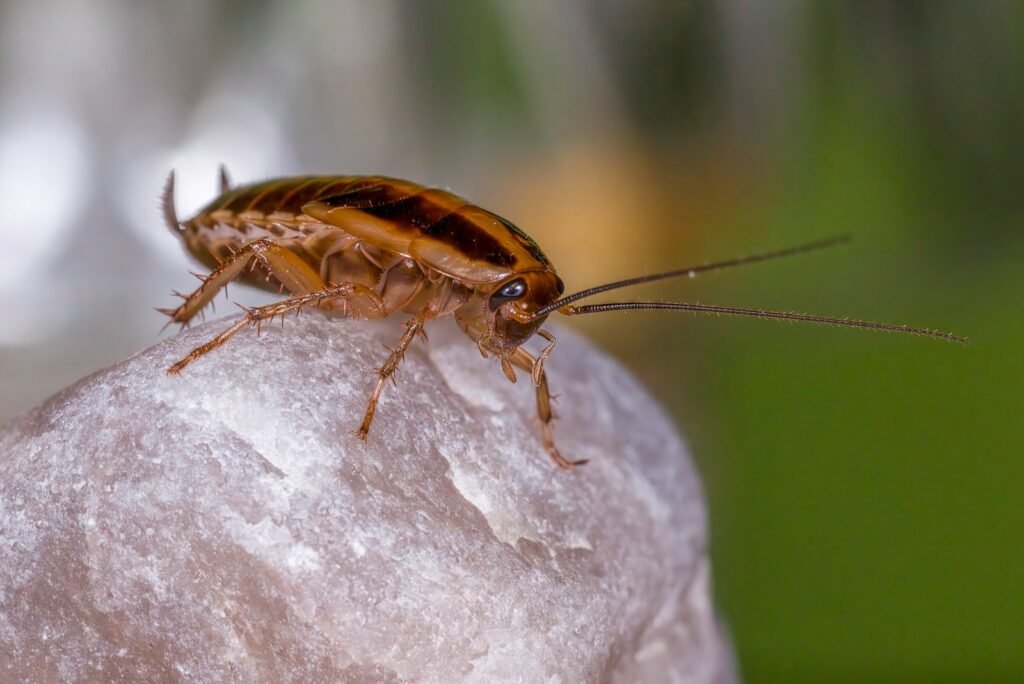
Pests don’t always disappear when winter hits. Many hide in soil, under leaves, or inside greenhouses, quietly causing trouble.
Keep an eye out for tiny holes in leaves or strange webs—these are signs pests are still around. Catching problems early makes spring gardening much easier.
Cleaning up plant debris and using safe treatments now can stop a small problem from turning into a big one. Staying alert during the cold months helps your garden bounce back faster.
Leaving garden beds compacted and airtight
Packed-down soil is a sneaky problem that can sneak up on you. When soil is too tight, air and water can’t reach plant roots.
Stepping on garden beds or using heavy tools can make the soil hard and crusty. This keeps beneficial bugs and microbes from doing their job.
Gently loosen the soil before winter sets in. You don’t need to dig deep—just fluff it up so roots can breathe.
Covering beds with mulch keeps the soil from drying out or freezing solid. This simple step helps your plants survive the cold months.
Overwatering plants during winter dormancy
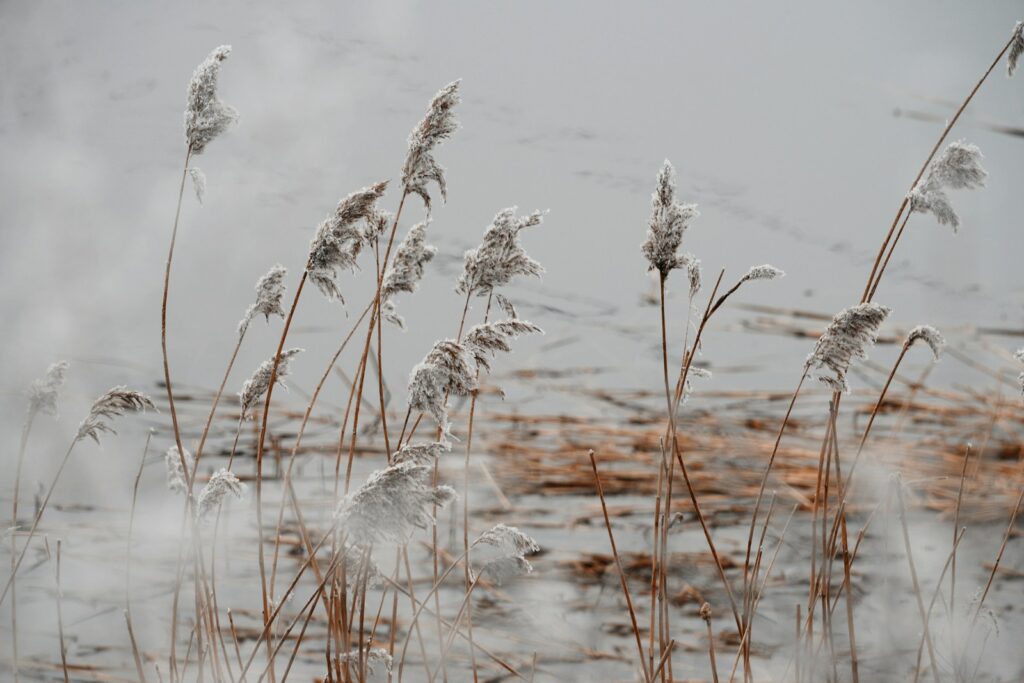
It’s easy to assume your plants need lots of water all year, but most slow down in winter and use much less. Too much water can actually do more harm than good.
Overwatering leads to root rot, making it hard for roots to absorb nutrients. Wet soil can also invite mold and fungus.
Check the top inch of soil before watering. If it’s dry, give a little water—otherwise, wait.
Make sure pots have drainage so water doesn’t collect and damage roots. You’ll be surprised how little water your plants need until spring.
Not protecting garden tools from moisture and rust
Leaving tools outside in winter can ruin them fast. Moisture and cold cause metal to rust, making blades dull and joints stiff.
Clean your tools thoroughly before storing them. Get rid of any dirt and dry them off completely.
Store tools in a dry spot, ideally hanging up to keep them away from damp floors. Oiling metal parts helps prevent rust and keeps everything working smoothly.
A little care now saves you time and money when gardening season returns.
Skipping mulch to shield soil and roots
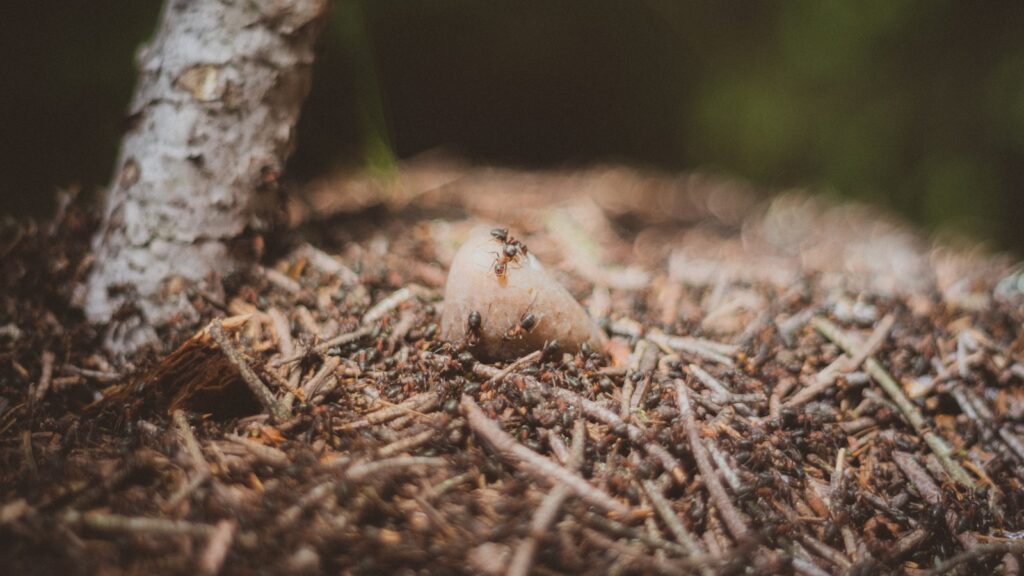
Mulch isn’t just for looks—it acts as a protective blanket for your garden. Skipping this step leaves soil and roots exposed to cold and dry air.
Without mulch, roots can freeze or dry out, making it tough for plants to recover in spring. Mulch also keeps moisture in the soil.
Spread a thick layer of straw, wood chips, or leaves around your plants. Keep mulch a few inches away from stems to prevent rot.
Mulching now means fewer dead plants and healthier soil when warmer weather returns.
Forgetting to clear fallen leaves that promote mold
Letting leaves pile up in your garden can seem harmless, but it often leads to mold growth. Damp, thick layers of leaves create the perfect spot for mold to thrive.
Mold can harm your plants and make your garden look messy. Clearing away excess leaves lets air and sunlight reach the soil, keeping things healthier.
You don’t have to remove every single leaf—just avoid thick, wet layers. If you want to reuse the leaves, turn them into compost or leaf mold for future soil enrichment.
A quick cleanup in late fall or early winter pays off with better plant health come spring.
Understanding Cold-Weather Microclimates
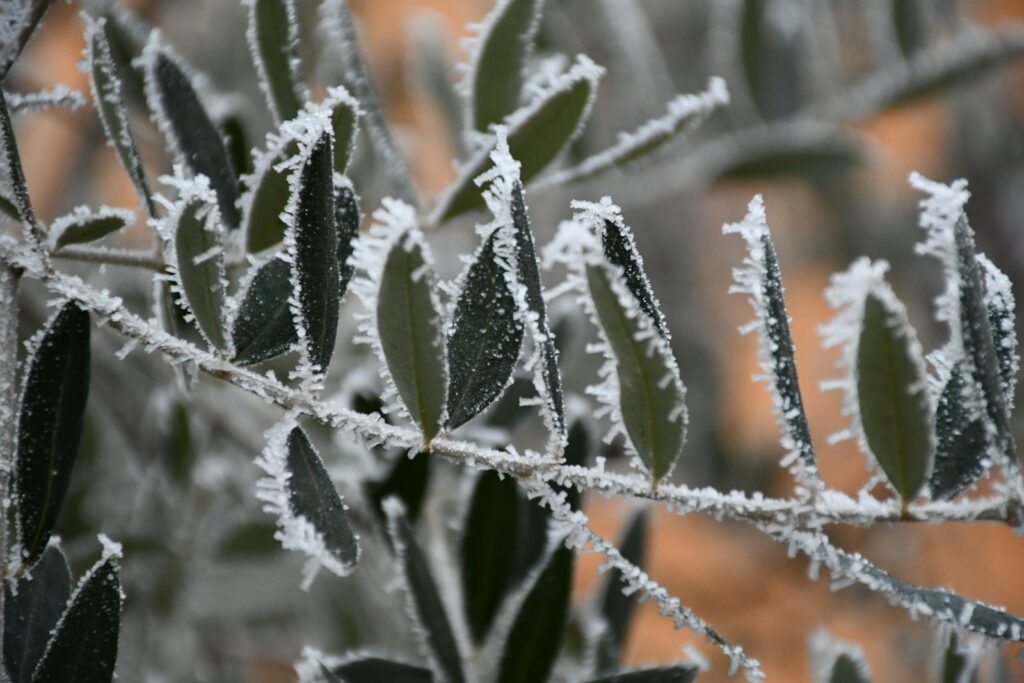
Every yard has its own personality, especially in winter. The way snow drifts, the angle of the sun, and even nearby buildings can change how cold or warm certain spots get.
Some areas stay warmer thanks to walls or trees that block wind or soak up heat. Others might freeze more often if they’re in low spots where cold air settles.
Pay attention to these differences. Knowing your garden’s unique spots helps you decide where to plant frost-sensitive varieties or where to add extra protection.
Wind and snow play a big role, too. Snow acts as an insulating layer, keeping soil and roots warmer than the air above.
If wind strips away snow or dries out plants, it can leave them exposed. Setting up fences or hedges as windbreaks can make a big difference.
Let snow stay put if it forms a thick, protective layer. It’s nature’s way of helping your plants through winter.
Maximizing Plant Resilience During Winter
Getting your garden ready for winter doesn’t have to be complicated. A few smart moves can make your plants much more resilient.
Start by clearing away dead leaves and debris. This keeps pests and mold in check.
Add a thick layer of mulch, about two to four inches, using straw, bark, or shredded leaves. Mulch insulates the soil and keeps the temperature more stable.
Loosen the soil gently before mulching to improve drainage. Wet soil freezes quickly and can hurt roots.
Water your plants well before the ground freezes so their roots stay hydrated through winter. These simple habits help your garden wake up strong and healthy when spring finally arrives.
Leveraging Protective Structures Effectively

When the temperature drops, simple tools can make a big difference for your garden. Covers like frost cloths, cold frames, or cloches help shield plants from frost and biting winds.
These protective structures create a pocket of warmth around your plants. On the coldest nights, place covers carefully, but remember to remove them during the day for airflow.
If you opt for plastic, make sure it allows for some air movement to avoid mold. A little attention to ventilation goes a long way.
Windbreaks such as burlap screens or fences can also help. Set them up on the side of your garden that faces the wind.
Pairing these barriers with good watering habits and mulch gives your plants the best shot at surviving winter. Keep checking the weather so you can act quickly when needed.