How to Turn Your Christmas Tree Into Free Garden Mulch
Once the holidays are over, most people are left wondering what to do with their Christmas tree. Instead of dragging it to the curb, you can turn it into free mulch for your garden and give your plants a little extra love.
Recycling your tree this way is a great way to save money and help your garden thrive. It’s easier than you might think, and your plants will thank you for it.
Remove all decorations and tinsel before starting
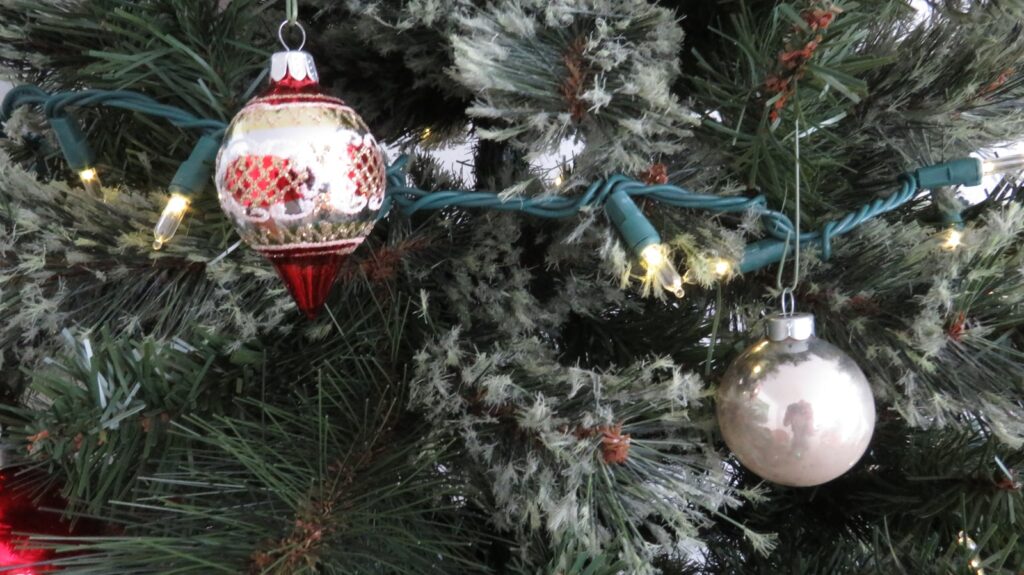
Before you start, make sure every last ornament, light, ribbon, and scrap of tinsel is off your tree. Anything plastic or shiny can harm your mulch and your plants.
It’s tempting to rush, but taking a few minutes to double-check makes a big difference. Decorations left behind can also cause problems at local recycling centers.
Don’t forget to take off the tree stand, too. Once your tree is bare, you’re ready for the next step.
Cut the tree into manageable sections for easier shredding
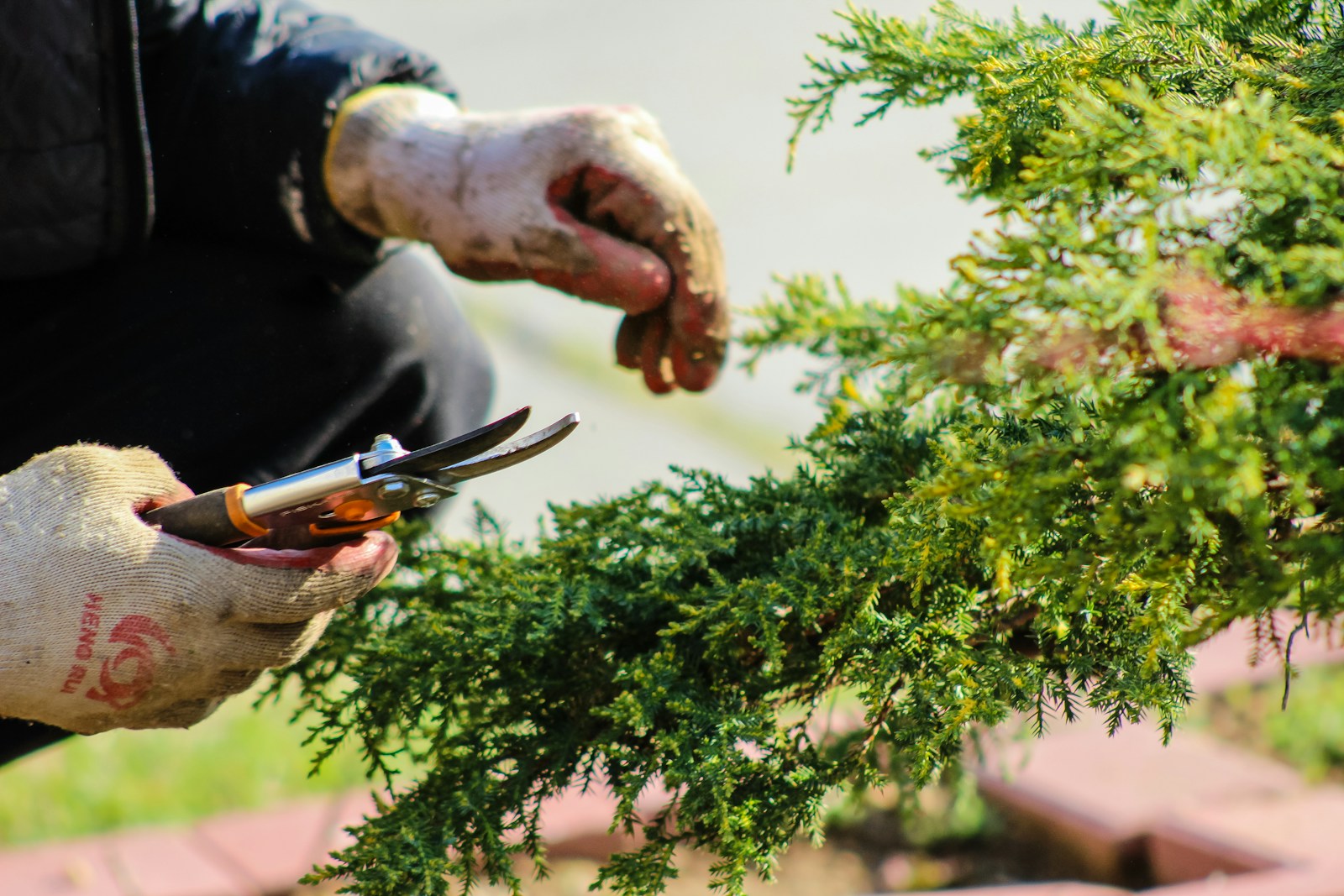
Grab a saw or strong clippers and start breaking your tree down into smaller pieces. Cutting off the outer branches first makes everything more manageable.
Chop the thicker branches into sections about one to two feet long. Smaller pieces are easier to handle and won’t jam your shredder.
Be careful as you cut. Standing on stable ground and keeping your work area clear helps you stay safe.
When you reach the trunk, slice it into short logs that fit your chipper or shredder. This prep work pays off when you start making mulch.
Use a chipper or wood shredder to create mulch quickly
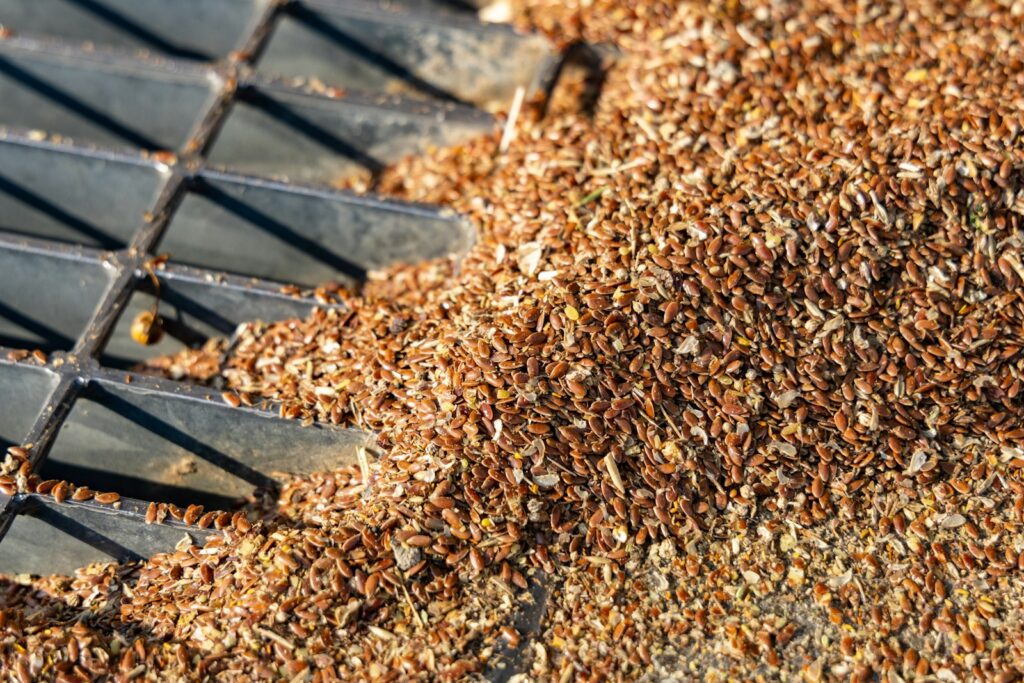
If you have access to a wood chipper or shredder, you can turn your tree into mulch in no time. Feed the branches and trunk pieces into the machine carefully, one at a time.
The chipper will break everything down into small, useful pieces that are perfect for garden mulch.
Spread the mulch in a two to four-inch layer around your garden beds. This helps keep moisture in and weeds out, making your garden easier to care for.
Spread the mulch around flower beds to retain soil moisture
Once your tree is shredded, it’s time to put that mulch to work. Spread it evenly in your flower beds, aiming for a layer about two to three inches thick.
Keep the mulch a little bit away from plant stems to avoid rot and pests. Your plants will stay hydrated longer, even during dry spells.
The mulch also helps keep soil temperatures steady, protecting your plants’ roots. Plus, it gives your beds a tidy, natural appearance.
Use pine needles from the tree as acid-loving plant mulch
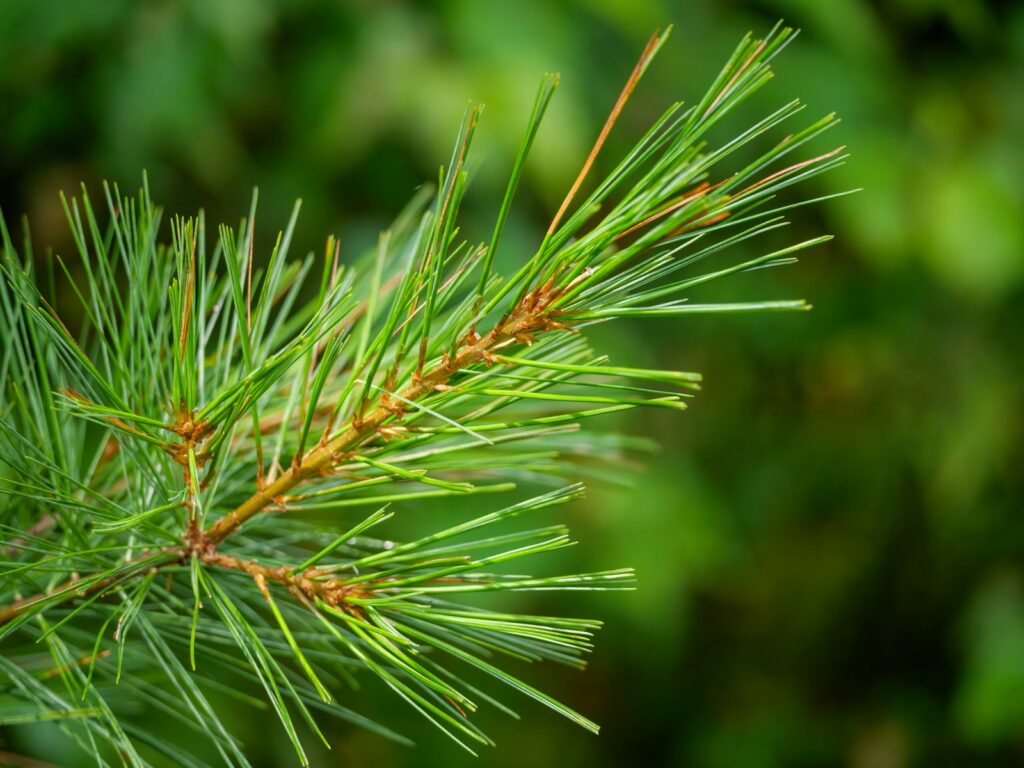
Pine needles from your Christmas tree are perfect for acid-loving plants like azaleas, blueberries, and rhododendrons. They break down slowly and add just the right nutrients.
Layer pine needles two to three inches thick around your plants. This helps keep roots warm and soil moist through winter.
Pine needles are lightweight and easy to spread, making this a quick garden upgrade. Over time, they improve soil structure without making it too acidic.
Layer mulch around newly planted shrubs for winter protection
Newly planted shrubs appreciate a cozy layer of mulch before winter sets in. Mulch acts like insulation, keeping roots safe from freezing temperatures.
Spread two to four inches of mulch around the base of each shrub, but keep it a few inches away from the stems. This simple step helps prevent rot and pest problems.
Using your Christmas tree for this job is a win for your garden and your wallet. Your shrubs will be ready to thrive when spring arrives.
Add mulch to vegetable gardens to suppress weeds
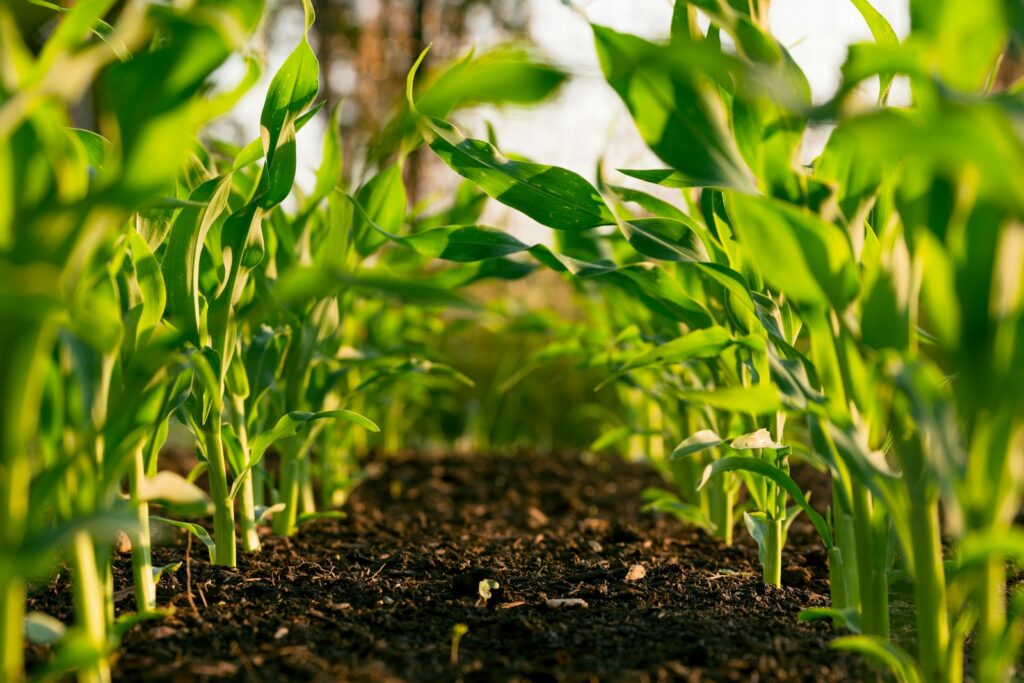
Mulch from your Christmas tree can help keep weeds out of your vegetable garden. A good layer blocks sunlight, so weed seeds can’t sprout.
It also keeps soil moist, cutting down on how often you need to water. Your veggies will stay cleaner because mulch prevents soil from splashing onto them during rain.
Clear out any existing weeds first, then spread a few inches of mulch around your plants. Your garden will be easier to manage and more productive.
Compost smaller tree pieces to create nutrient-rich soil
Chop small branches, twigs, and pine needles from your tree and add them to your compost pile. These break down faster than big branches and help create rich soil.
Mix tree pieces with leaves, grass clippings, and kitchen scraps for balance. This keeps your compost pile healthy and speeds up decomposition.
Turn the pile regularly to help everything break down. Soon, you’ll have dark, crumbly compost that your garden will love.
Place larger branches in your garden as habitat for wildlife
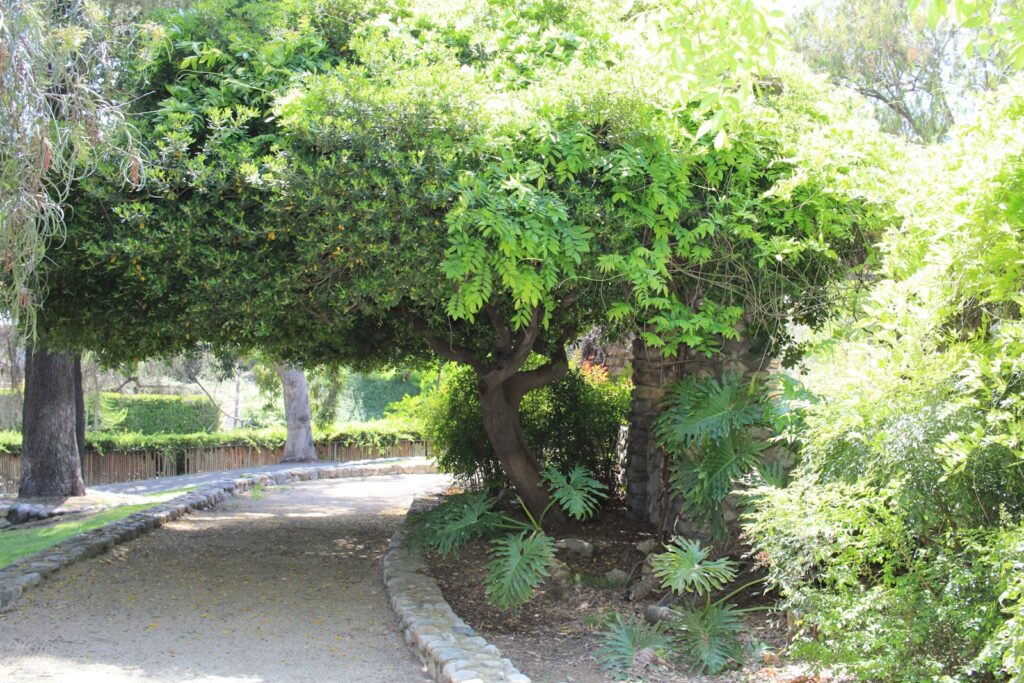
Big branches from your tree can become shelter for birds, insects, and small animals. Lay them in a quiet corner of your yard to create a natural habitat.
These branches provide hiding spots and perches for wildlife. You might spot birds nesting or see frogs and lizards making themselves at home.
Letting branches stay in your garden helps the ecosystem and brings more life to your outdoor space.
Donate your tree to local tree recycling programs if available
If you don’t want to mulch your tree yourself, check if your community offers tree recycling. Many towns have free pickup or drop-off sites after the holidays.
Recycled trees are often turned into mulch or compost for parks and public gardens. It’s a simple way to give back and support local green spaces.
Just remember to remove all decorations before donating your tree. Check your city’s website for details on where and when to drop off your tree.
Why Mulch Your Christmas Tree?
Turning your Christmas tree into mulch is a practical way to cut down on waste and help your garden at the same time. Instead of sending your tree to the landfill, you’re giving it a new life right in your own backyard.
Environmental Benefits
Mulching your tree keeps it out of landfills and reduces harmful gas emissions. It’s a small step that adds up when lots of people do it.
Using your tree as mulch also means you don’t have to buy bagged mulch, saving money and cutting down on packaging waste. Many cities offer recycling programs that chip trees into mulch for parks and gardens.
Soil Health Improvements
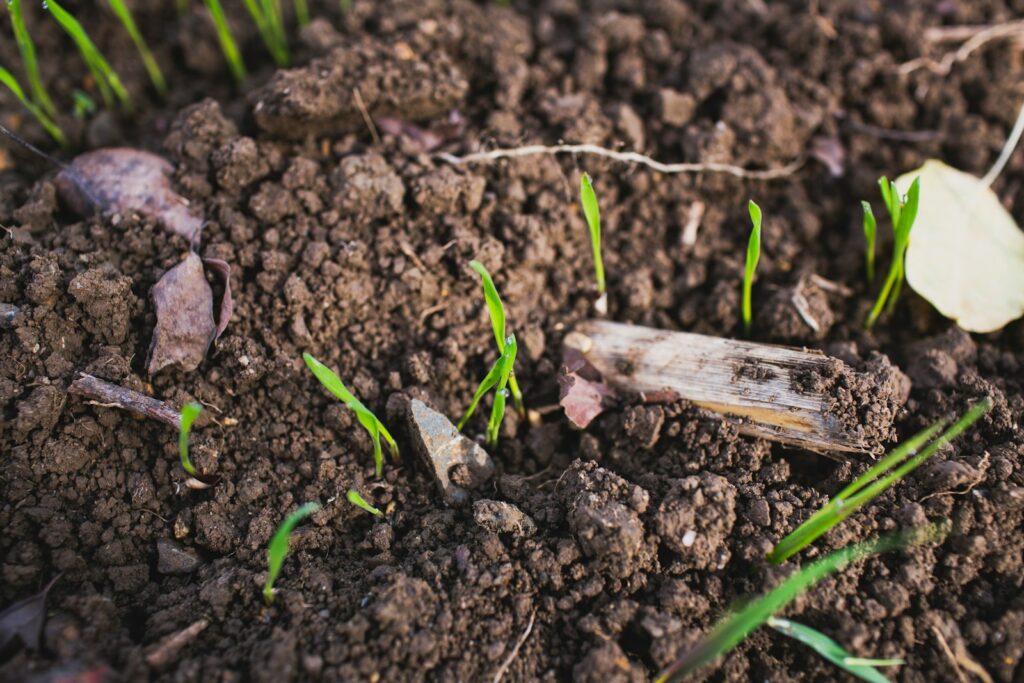
Christmas tree mulch breaks down slowly, feeding your soil with nutrients like nitrogen and potassium. It holds moisture, keeps roots cool, and suppresses weeds.
As the mulch decomposes, it improves soil structure and attracts helpful insects. Your garden will be healthier and easier to care for.
Benefits At a Glance:
| Benefit | Impact |
|---|---|
| Reduces landfill waste | Lowers harmful gas emissions |
| Provides free mulch | Saves money and packaging waste |
| Adds nutrients | Makes soil richer and garden healthier |
| Keeps moisture | Reduces watering needs |
| Controls weeds | Reduces garden work and competition for plants |
Best Practices for Spreading Garden Mulch
Getting the most from your Christmas tree mulch comes down to how you spread it. A few simple tips make all the difference for your plants.
Optimal Mulch Thickness
Aim for a mulch layer about two to four inches thick. This is enough to block weeds and hold in moisture, but not so much that it traps too much water.
Keep mulch three to six inches away from tree trunks to prevent bark damage and allow air to circulate. Spread it evenly and avoid piling it up in mounds.
Shredded Christmas tree mulch works well because it breaks down slowly and enriches your soil over time. Spread it with care, and your garden will reap the benefits.
Where to Apply Mulch in Your Yard
Ever notice how some parts of your yard dry out faster or seem to attract more weeds? Mulch can help keep those trouble spots in check.
Spread mulch around flower beds, shrubs, and trees to protect roots and lock in water. It also helps keep soil temperature steady, whether the weather is hot or cold.
Pay attention to areas where your plants need extra moisture or where weeds always pop up. Vegetable gardens can benefit from mulch too, but be sure to leave space around stems so they can breathe.
Skip mulching in soggy spots or places where water tends to collect since this can cause root rot. If you grow acid-loving plants like blueberries or azaleas, try using fallen needles from your Christmas tree as mulch to keep the soil acidic.