Which Seeds You Should Start Indoors in January
If you’re itching to dig your hands into some soil, you don’t have to wait for spring. January is a great time to start certain seeds indoors and get a jump on the growing season.
Picking the right seeds now can set you up for a lush, productive garden later. Not every seed likes an early start, though, so knowing which ones to sow indoors makes all the difference.
Tomatoes
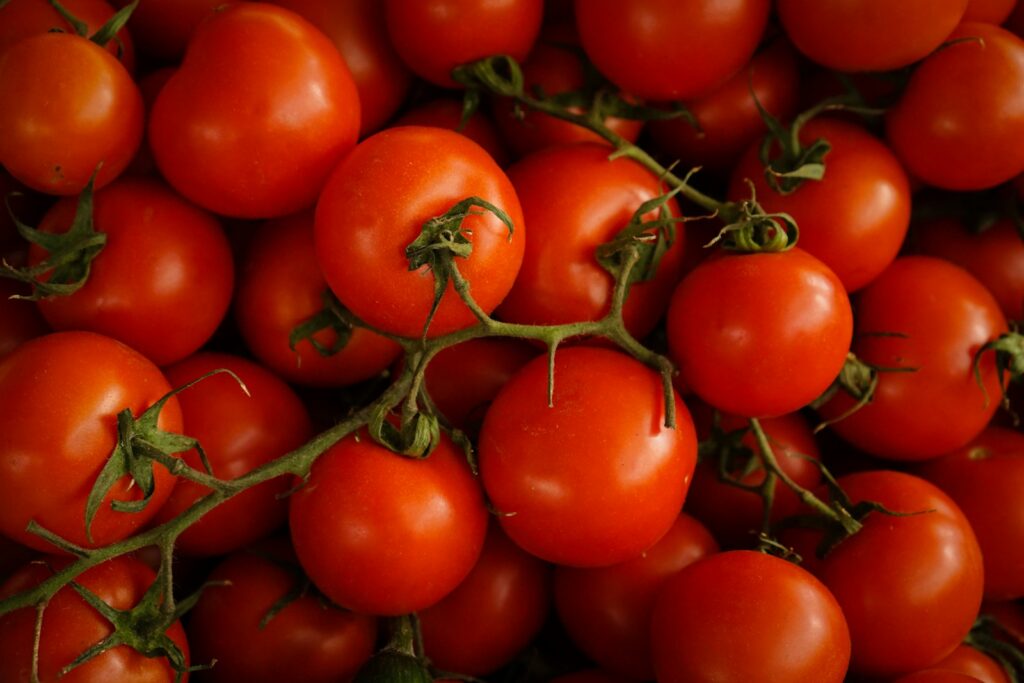
If you dream of juicy homegrown tomatoes, starting seeds indoors about 6 to 8 weeks before your last expected frost is the way to go. This gives your seedlings time to grow strong before heading outside.
Keep your seed trays warm, around 70 to 75°F, and make sure they get plenty of light. A sunny window or grow lights work well to keep your plants sturdy.
Avoid planting tomato seeds too early. If you start more than 10 weeks ahead, your plants can get too big and spindly indoors.
Once frost is no longer a threat and the soil is warm, your young tomato plants will be ready to move outdoors.
Peppers
Starting peppers indoors in January is a smart move if you want a good harvest. Peppers need a long season to mature, so an early start helps them thrive.
Give them warmth, light, and good soil to help the seeds sprout. Watching your pepper plants grow from tiny seeds is always satisfying.
If you live in a cooler climate, this early start is especially helpful. Peppers love steady warmth, so keep the soil moist but not soggy.
By the time summer arrives, you’ll have healthy pepper plants ready to produce.
Eggplants
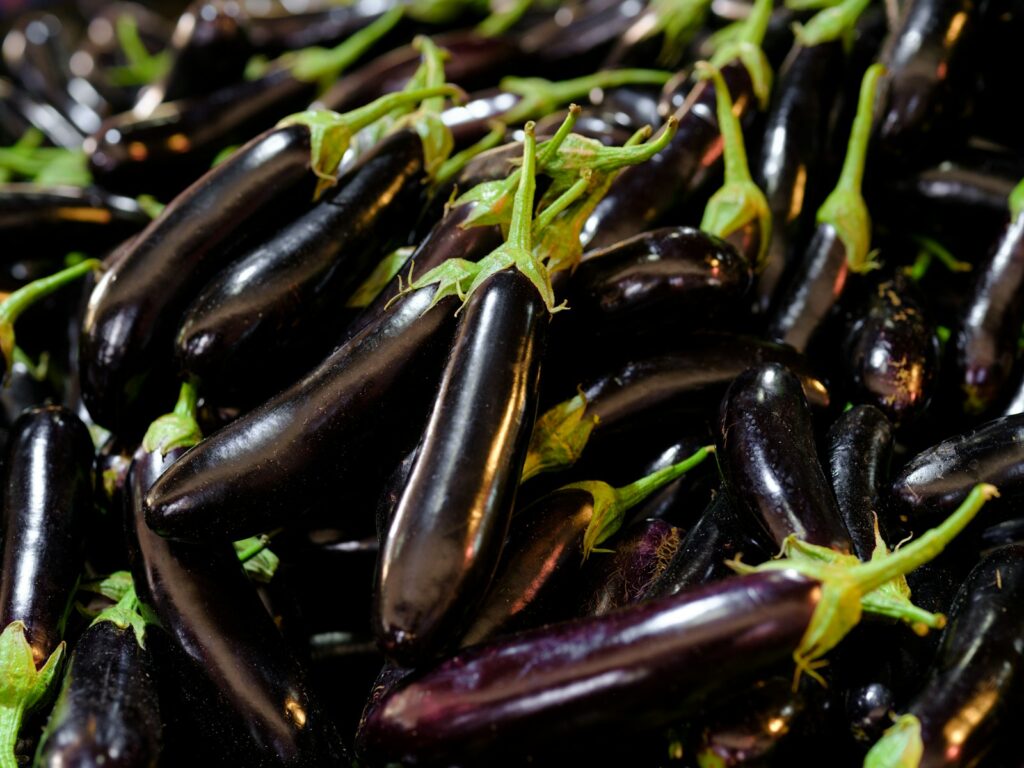
Eggplants love heat, so starting seeds indoors in January gives them the cozy start they need. Aim for soil temperatures around 80 to 90°F to help them sprout.
Plant seeds about ¼ inch deep in small pots or seed trays. Cover them with plastic or a dome to hold in warmth and moisture.
Keep seedlings in a sunny spot or under grow lights. When nights stay warm and the plants are strong, they’ll be ready for the garden.
Eggplants given this early boost often reward you with a bigger summer harvest.
Artichokes
If you’ve ever wanted to try growing artichokes, January is a great time to start seeds indoors. Artichokes need a long season, so an early start is key.
Sow seeds about 8 to 12 weeks before your last frost, planting them half an inch deep. Use a seed-starting mix for best results.
Artichoke plants get large, so plan for space when you transplant them outside. With patience, you might even see blooms in the first year.
Basil
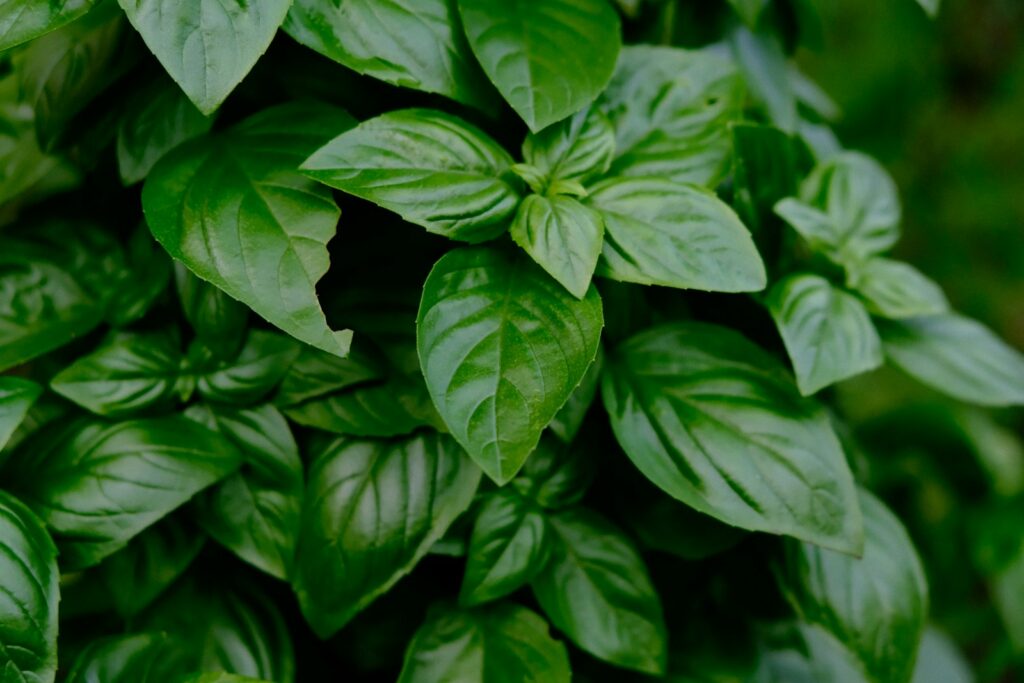
Basil is a favorite herb for many, and January is a perfect time to start seeds inside. Even if you’re new to growing from seed, basil is easy and forgiving.
Use a small pot or tray with good potting soil, and plant seeds about 1/4 inch deep. Keep the soil moist and watch for little sprouts in about a week.
Place your basil near a sunny window. The more light it gets, the better it grows.
Starting basil now means you can enjoy fresh herbs long before outdoor planting begins.
Lettuce
Lettuce is a cool-season crop that grows well indoors early in the year. Starting seeds in January lets you enjoy crisp greens before spring arrives.
Find a spot that gets at least 6 to 8 hours of light daily. If sunlight is scarce, a grow light can help your seedlings stay healthy.
Indoor growing keeps your lettuce safe from pests and harsh weather. By transplant time, your plants will be strong and ready for the garden.
In just a few weeks, you’ll be able to snip your own fresh salad greens.
Cabbage
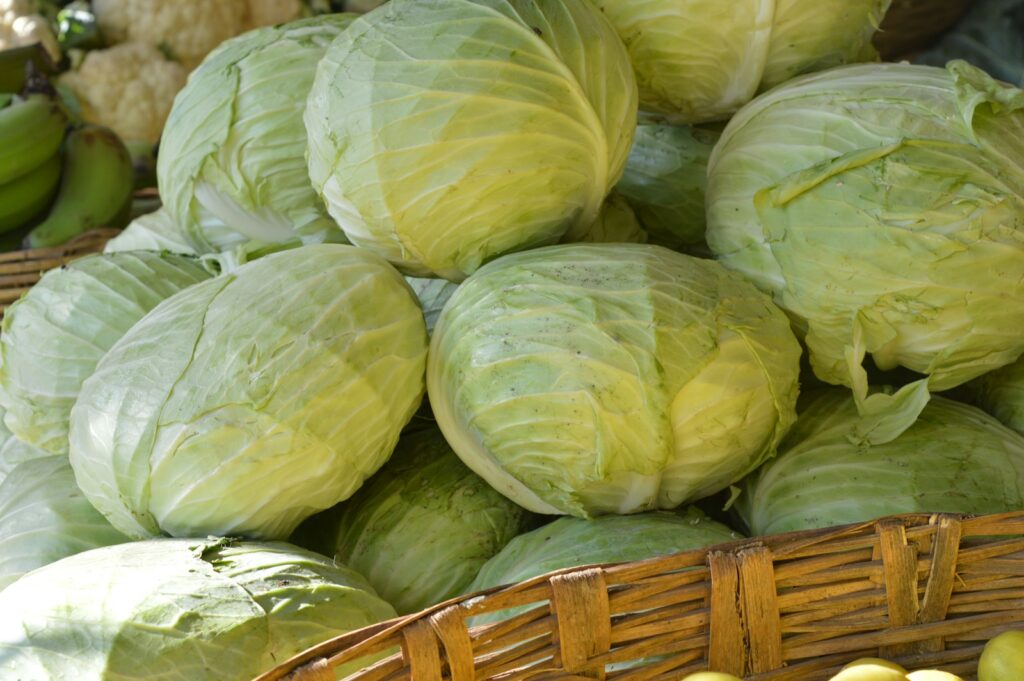
Starting cabbage seeds indoors in January sets your garden up for success. Early sowing helps your plants avoid late frosts and summer heat.
Plant seeds in small pots or flats, keeping the soil just above 40°F. Cabbage prefers cooler temperatures, so indoor starting gives you more control.
By spring, your seedlings will be ready for the garden and have extra time to grow. Try different cabbage types to suit your taste.
Broccoli
Broccoli is another veggie that benefits from an early indoor start. Sowing seeds in January lets you avoid freezing temps and gives your plants a healthy head start.
Keep the soil warm, around 75°F, and provide plenty of light from a window or grow lights. Strong seedlings will be ready to go outside after the last frost.
Early indoor sowing means you can enjoy homegrown broccoli sooner.
Cauliflower
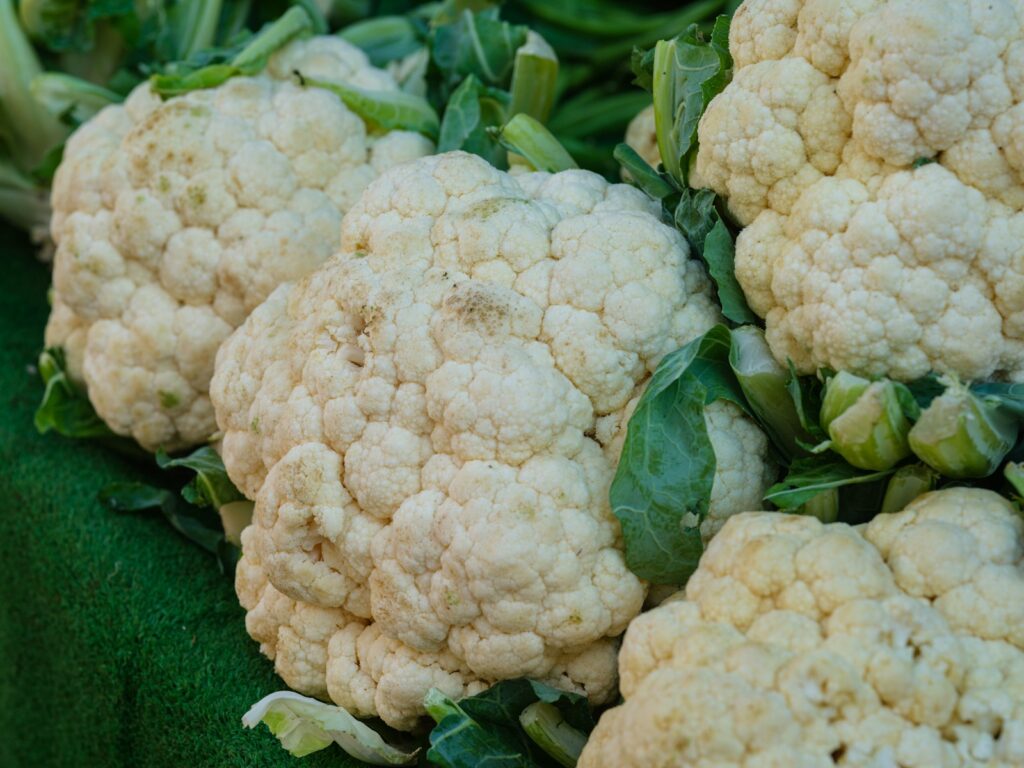
Cauliflower seeds started indoors in January get a welcome head start. This cool-loving vegetable thrives when given enough time to grow before transplanting.
Use a bright spot or grow lights to give seedlings the energy they need. Start seeds 6 to 8 weeks before your last frost for the best timing.
Choose containers with good drainage and keep the soil moist. When the weather warms, your cauliflower will be ready to move outdoors.
Kale
Kale is hardy and easy to grow, making it perfect for early indoor sowing. Planting seeds in January gives you a head start on fresh, healthy greens.
Use a sunny window or grow light to keep seedlings happy. Keep the soil moist, and your kale will sprout quickly.
When seedlings reach about 4 inches tall, they can be moved outside. Kale is forgiving, so it’s a great pick for gardeners of all levels.
The Science Behind Indoor Seed Starting
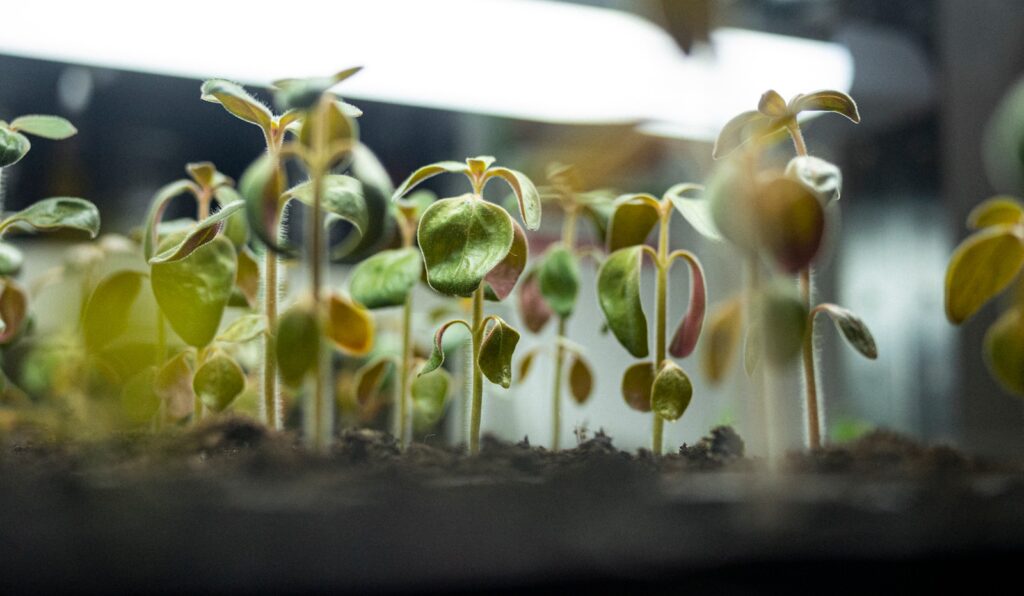
Starting seeds indoors means you get to control light, temperature, and moisture. These factors help seeds sprout faster and grow stronger before they head outside.
Knowing how seeds respond to their environment can make a big difference in your results.
Understanding Germination Requirements
Every seed has its own needs to get growing. Temperature is key, tomato seeds, for example, like soil around 70 to 80°F.
Seeds need moisture, but not too much. Too much water can rot seeds; too little will dry them out.
Some seeds need light to sprout, while others prefer darkness. Understanding these needs helps you care for your seeds indoors.
How Indoor Environments Affect Seedlings
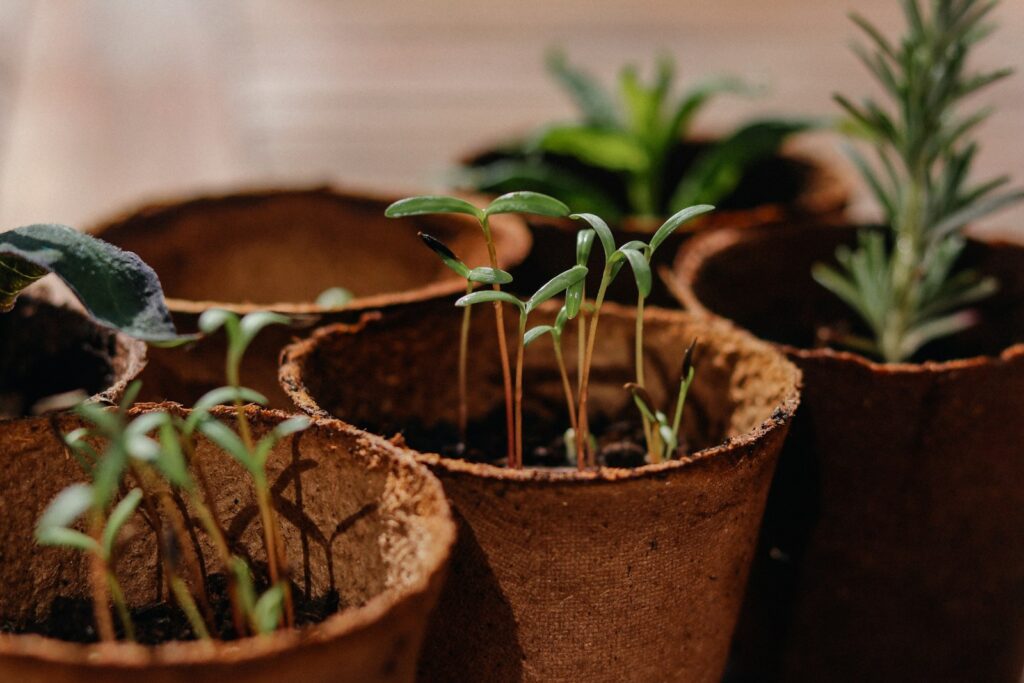
Your indoor setup changes how seedlings grow. Light is crucial—most need 12 to 16 hours of bright, cool light each day.
Temperature matters, too. Most seedlings do best between 65 and 75°F.
Humidity affects growth as well. If the air is too dry, leaves can curl and growth slows. A humidity dome or misting can help.
Managing these factors gives your seedlings a strong start.
Timing and Temperature Tips for January Seedlings
Getting the timing right is important when starting seeds indoors in January. If your seedlings don’t get enough heat or light, they may grow weak.
Knowing where to place your seedlings and avoiding common timing mistakes can make a big difference.
Finding the Perfect Indoor Spot
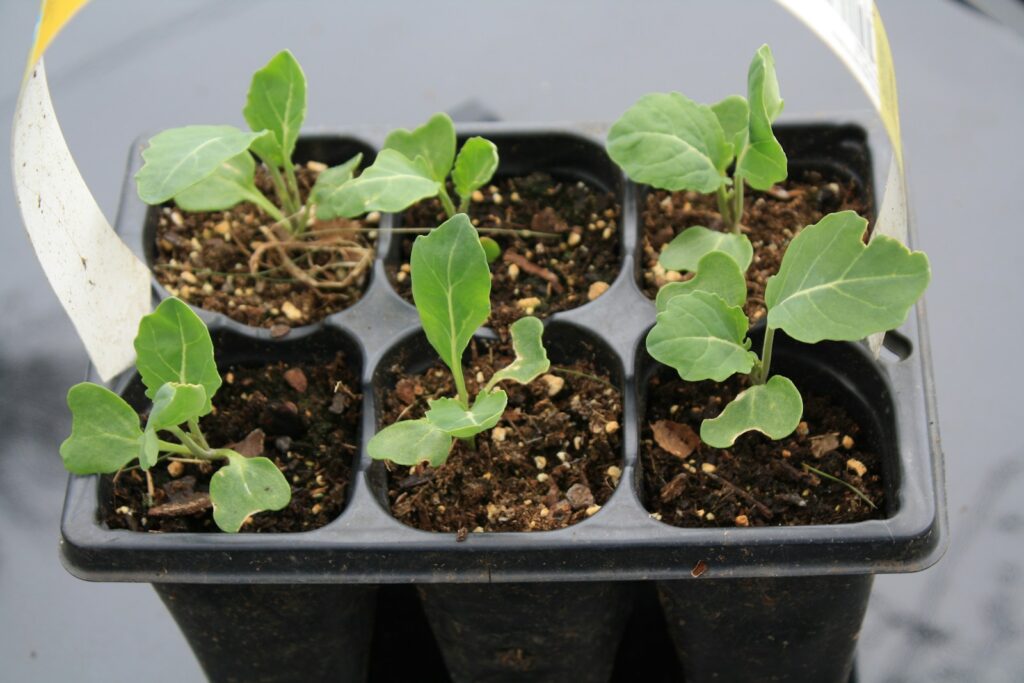
Give your seedlings a warm, bright spot to grow. A south-facing window offers the most sunlight in winter.
Seedlings need 12 to 16 hours of light per day. If sunlight is limited, use a grow light a few inches above the plants.
Keep the temperature between 65 and 75°F during the day, and don’t let it drop below 50°F at night.
Avoid drafts and hot air from heaters. Stable warmth and light will help your seeds sprout and grow strong.
Common Mistakes to Avoid in January
It’s easy to get excited and start seeds way too early. If you do, the seedlings might outgrow their pots and become spindly before it’s warm enough to move them outside.
Check the last frost date for your area. Count backward the right number of weeks before starting seeds so they’re ready at the right time.
Overwatering is another common pitfall. Seedlings need soil that’s damp but not soaked.
Too much water can lead to root rot. It’s also important to keep air moving gently around your seedlings.
Without airflow, mold and fungus can pop up. Just avoid placing them in cold drafts.
Remember to thin your seedlings as they grow. If you skip this step, they’ll end up fighting each other for light and nutrients.