How to Tell If Frost Has Killed Your Perennials
Waking up to a frosty garden can leave you wondering if your favorite perennials are gone for good or just taking a hit. It’s tough to know right away which plants will pull through and which ones might need replacing.
Figuring out how to spot frost damage early can save you time and help you focus your care where it matters most.
Check for blackened, wilted leaves as a clear frost damage sign!
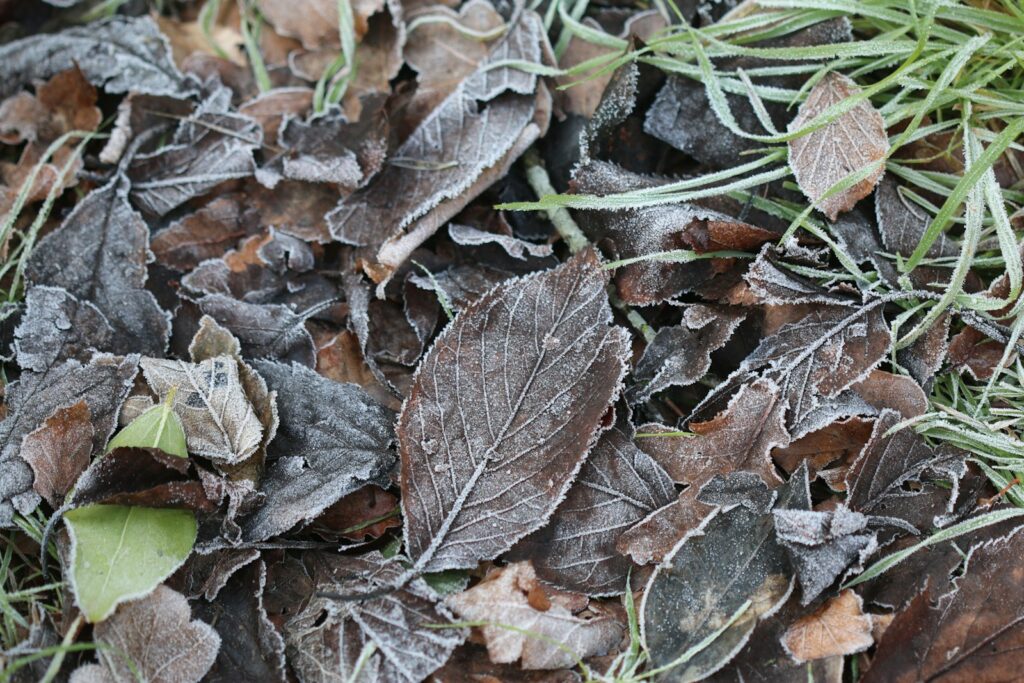
One of the first things you’ll notice after a cold snap is leaves turning black or dark brown. This is a sign that the plant cells have been damaged by the cold.
Wilting is another thing to look for. Droopy or limp leaves can mean internal damage from frost.
Sometimes, frost makes leaves appear wet or translucent before they blacken. These are important signs that your plants might be struggling.
Frost damage usually appears after a sudden drop in temperature. Checking your plants soon after a frost helps you spot issues before they get worse.
Look for crispy, brown leaf edges showing plant stress!
Brown, crispy leaf edges are a classic sign of stress in perennials. Frost can dry out the edges, making them look scorched.
This doesn’t always mean your plant is a lost cause. Often, the center of the plant is still alive and can push out new growth.
Keep an eye out for new leaves or shoots in the coming weeks. That’s a good sign your plant is on the mend.
Crispy tips can also come from other stresses like too little water or sudden weather changes. Adjust your care routine to help your perennials recover.
Inspect stems and branches for splits or cracks from freezing!
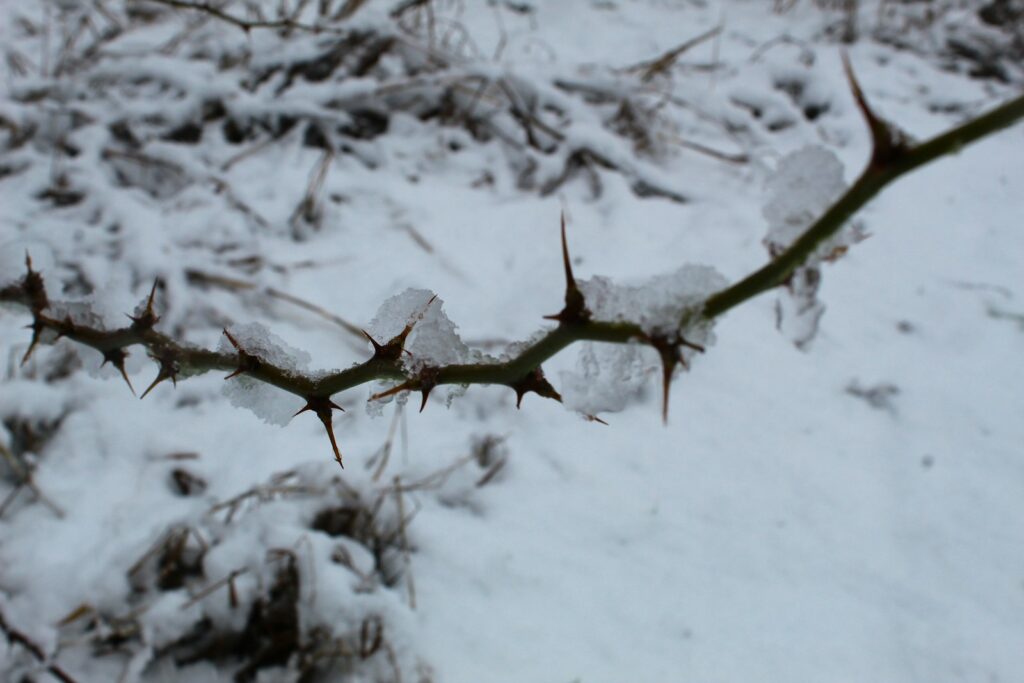
Take a close look at your perennials’ stems and branches for any splits or cracks. Freezing temperatures can cause the bark to crack, especially on woodier plants.
Cracks often appear as vertical splits or sunken spots on the stems. You might also notice dry, curled bark or dark patches.
If you find a crack, gently scratch the bark nearby to check for green tissue underneath. Green means there’s still life in the stem.
Damage often shows up on the side of the plant that gets the most winter sun. Watch for soft or mushy spots, as these can mean more serious harm.
Gently scratch stems to see if green tissue is alive beneath the surface!
A simple scratch test can tell you a lot about your plant’s health. Use your fingernail or a small knife to gently scrape away a thin layer of bark.
If you see bright green tissue, your plant is still alive and has a good chance to recover. Green tissue means nutrients are still flowing.
Brown, dry, or brittle tissue under the bark usually means that part of the plant is dead. Try scratching a few different spots to get a clear idea.
This test works best near the base of the stem. It’s a quick way to decide which parts of your perennials need extra attention.
Observe if soft, mushy plant tissue appears after frost exposure!
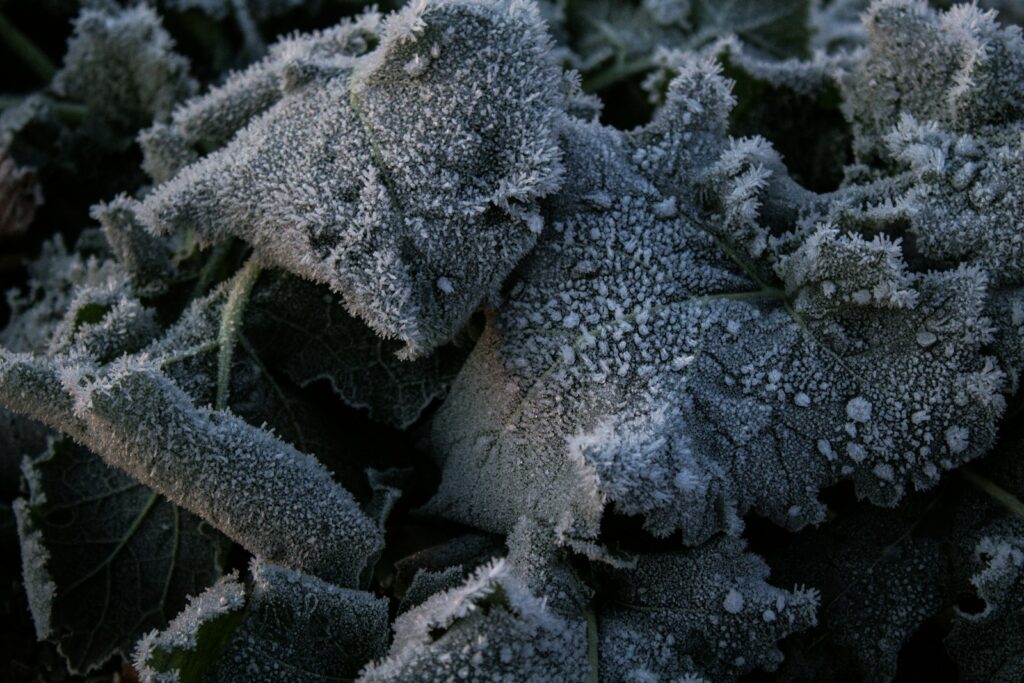
After a frost, check for soft or mushy spots on your plants. This kind of damage means the cells were hurt by the cold and are breaking down.
You might see these spots turn darker, black, or even translucent. Leaves and stems that feel wet or squishy instead of firm are signs of serious frost injury.
Sometimes, mushy tissue doesn’t show up right away. Keep checking your plants for a few days after the frost.
If only a small area is affected, prune those parts away. If the mushiness goes deep into the stems, recovery is less likely.
Monitor for early leaf drop, indicating severe frost impact!
Keep an eye out for leaves falling off sooner than they should. Early leaf drop is a sign that frost has hit your perennials hard.
Leaves that turn brown or black often drop quickly after a freeze. This happens because the cells are too damaged to hold on.
Some plants shed leaves to protect themselves and can still recover. Watch for soft or mushy stems, which can mean deeper injury.
If you notice lots of leaves dropping, try covering your plants at night or adding mulch to protect them from more cold. Acting quickly can make a big difference.
Wait until mid-spring to see if new growth emerges from the base!
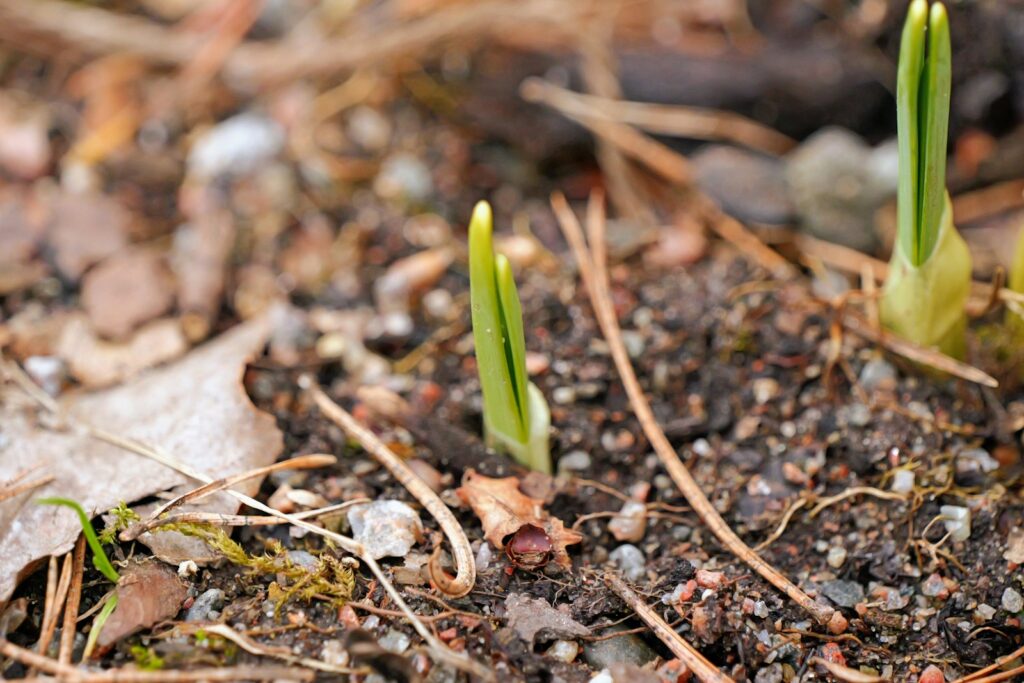
It can be tempting to pull out plants that look dead, but patience pays off. Wait until mid-spring to see if new shoots or small green leaves appear at the base.
Sometimes, stems look dry and lifeless, but the crown is still alive underground. Fresh growth is the best sign your perennials are making a comeback.
If you don’t see anything new by mid-spring, it’s more likely the plant didn’t survive. Give your garden a little time before making any big changes.
Cut back frost-damaged parts cautiously to encourage healthy regrowth!
When it’s time to prune, go slow and be gentle. Wait until you see new growth and the risk of frost has passed before cutting back damaged parts.
If a stem snaps and it’s green inside, leave it alone. Brown or black inside means it’s dead and safe to trim.
Don’t cut everything right away. Some damaged leaves and stems can protect the plant from more cold.
Use clean tools and make smooth cuts just above healthy tissue. This helps your perennials focus on growing back stronger.
Don’t confuse frost damage with drought or pest problems: examine carefully!
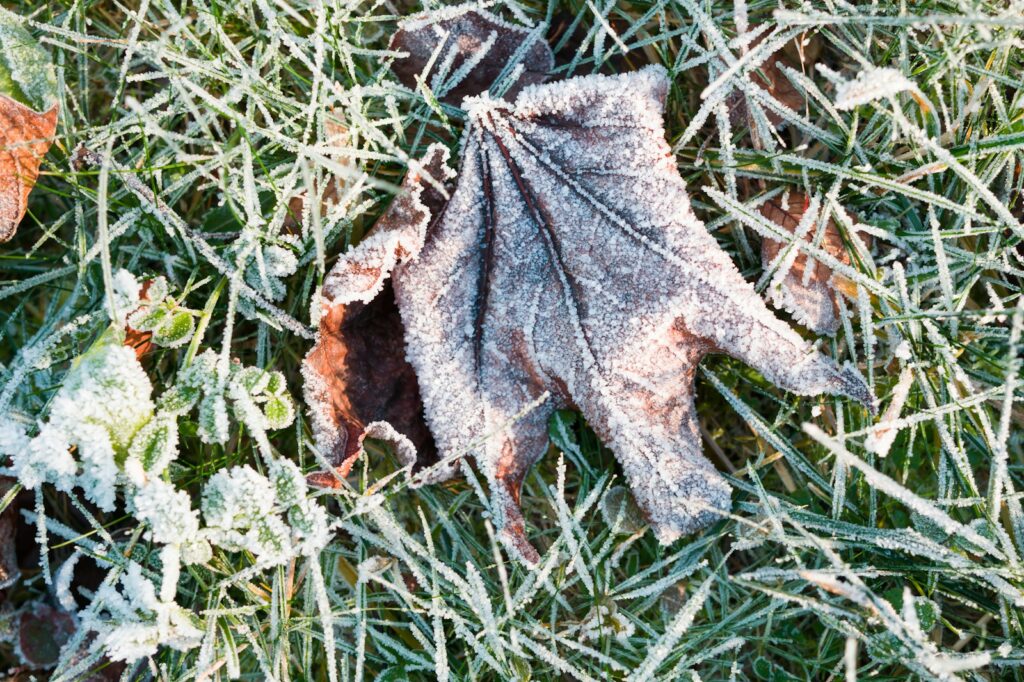
Frost damage can look a lot like issues from drought or pests. Wilting, brown spots, or curled leaves can have different causes.
Frost-damaged leaves often feel dry, brittle, or even mushy and blackened. Drought usually causes crispy edges, while pests leave holes or sticky residue.
Think about when the problem appeared. If it happened right after a cold night, frost is probably the cause.
Take a close look so you can give your plants the care they really need.
Assess if woody plants have structural damage needing extra care!
Check the main stems and branches of woody perennials for cracks, splits, or peeling bark. These signs mean frost may have caused serious injury.
Try bending smaller branches. If they snap easily, that part might be dead, but the main plant could still be healthy.
Look at the base and roots if you can. Mushy or blackened roots mean the plant is struggling and needs extra attention.
If you find broken limbs or deep wounds, prune them carefully. Protecting your woody plants with mulch or covers can help them recover.
Understanding Frost Damage in Perennials
Frost can really shake up your garden, but not every damaged plant is gone for good. Spotting the right signs can help you decide what to do next.
How Frost Affects Plant Tissues
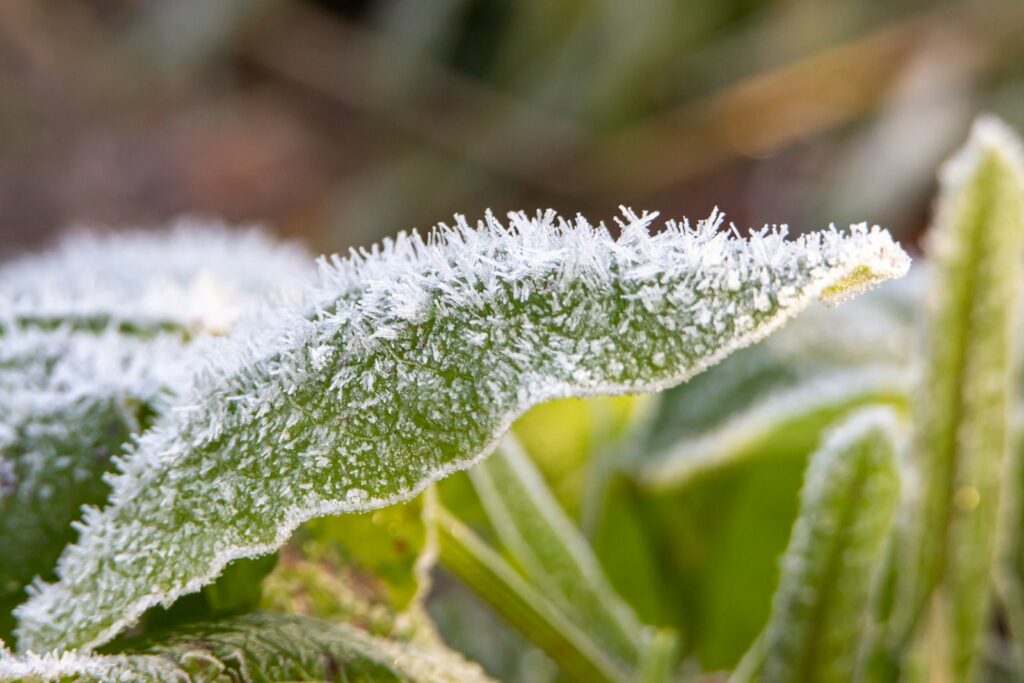
When frost hits, ice crystals form inside the cells of your perennials. This breaks cell walls and kills the tissue.
New growth, like young shoots and buds, is especially at risk because it has thinner walls and more water. Older stems and roots are tougher and often survive better.
Even if everything above ground looks dead, the roots and crowns might still be alive. These parts are usually more protected underground or near the soil.
Common Signs of Frost Injury
Check your perennials for leaves that are blackened, brown, wilted, or dry. Sometimes, leaves turn translucent or soggy, this means the cells inside have burst.
Buds can turn dark or shrivel up before dropping off. You might also see leaves curling or dying from the tips inward.
If you spot these signs, hold off on pruning. Your plant may still recover, so give it some time before removing any parts.
Evaluating Recovery Potential After a Frost
To see if your perennials can bounce back, look for new growth and check your plants carefully at the right time.
Observing New Growth
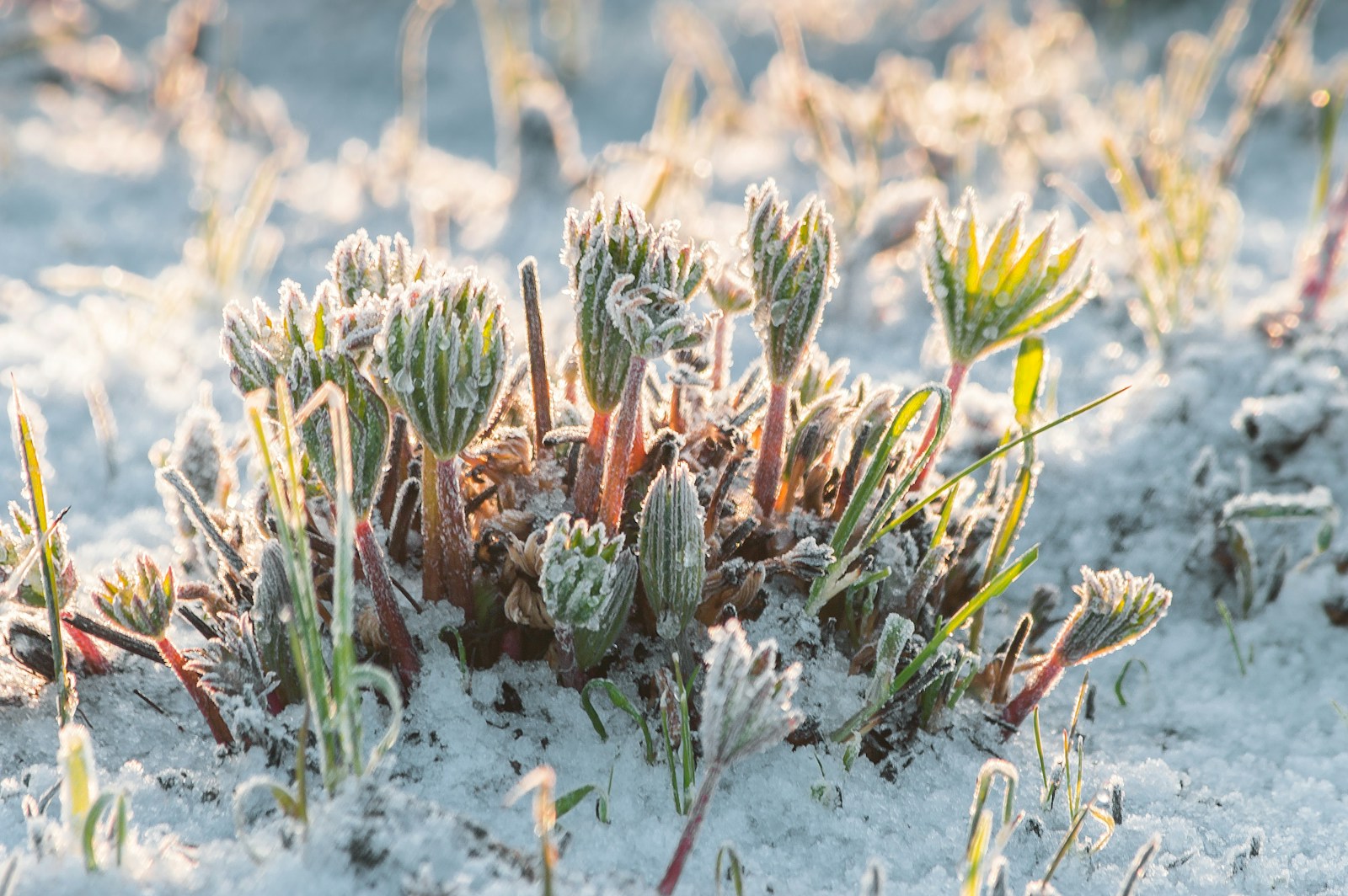
Watch for tiny shoots or buds near the base. New growth is the best sign your perennials are still alive.
Look under dead leaves or close to the soil, since new stems often start there. If you don’t see green or soft tissue, try gently scratching the stem bark.
Green and moist underneath means the plant is still alive. Brown or dry means that part may not recover.
Take note of which areas show signs of life. Sometimes only parts of the plant survive, so you can focus your care on those spots.
Best Timing for Assessment
After a long winter, it’s tempting to rush outside and check on your garden. Hold off until the weather warms and the soil has thawed before taking a close look at your plants.
A couple of weeks after the last hard frost is usually a good time to start assessing. Some plants take a while to show new growth, so checking too early might not give you the full picture.
On the other hand, waiting too long could mean missing the chance to help damaged plants recover with timely care like pruning or watering. Marking a date in your calendar to inspect perennials can help you stay on track.
Once the cold spell ends, you’ll be ready to give your plants the attention they need right when recovery begins.