Why Gardeners Are Moving Away From Native-Only Planting For More Vibrant, Diverse Gardens
If you’ve ever looked around your neighborhood and noticed more unusual plants popping up in gardens, you’re not alone. People are mixing native plants with others from far-off places, and it’s changing the way gardens look and feel.
This fresh approach to gardening isn’t just about appearances. It’s about creating a space that’s both beautiful and good for the environment.
Concerns about non-native plants becoming invasive
Some non-native plants have a way of taking over quickly. They spread fast and can crowd out the local plants that wildlife depends on.
Invasive plants often produce lots of seeds that travel on the wind or on the backs of animals. Once they establish themselves, they’re tough to control and can push native species aside.
You might bring home a pretty new plant, but if it turns out to be aggressive, it can change your whole garden’s balance. Getting rid of an invasive plant is no easy task and usually takes a lot of effort.
Knowing these risks helps you make smarter choices when picking plants for your space. You can enjoy a lively garden without worrying about troublemakers taking over.
Desire for greater garden diversity and aesthetics
Most gardeners want their outdoor space to feel joyful and full of life. Sticking to only native plants can sometimes limit the colors, shapes, and textures you get to enjoy.
Adding non-native plants opens up a world of possibilities. Your garden can be a mix of flowers, food plants, and greenery that catches the eye and draws in pollinators.
You might wonder if you have to choose between helping the environment and having a beautiful garden. Mixing native and non-native plants lets you design a unique space that feels personal and creative.
Your garden becomes a reflection of your taste and personality, while still supporting local wildlife.
Availability of improved non-native plant cultivars
There are so many non-native plant varieties out there now, and many have been bred to be especially beautiful or easy to care for. These cultivars might have brighter blooms, longer flowering times, or be more resistant to disease.
Garden centers stock these plants because people want gardens that look great with less hassle. Some non-natives even handle tough soils or weather better than natives.
You can find unique leaf shapes, colors, and sizes that aren’t always available with native plants. If you’re looking for something fresh, these new cultivars are worth exploring.
Because nurseries can sell these improved plants at a profit, you’ll usually have plenty of options to choose from. That makes it easy to find something that fits your style and your garden’s needs.
Balancing ecosystem benefits with personal garden goals
Trying to balance what’s good for nature with what you want in your garden isn’t always easy. Native plants are great for local wildlife, but they might not always fit your vision.
Blending natives with a few well-chosen non-natives can give you the best of both worlds. You get a garden that supports the ecosystem and still feels like your own personal retreat.
This way, your space helps birds, bugs, and soil health while letting you play with different looks and ideas. Gardening becomes more fun and rewarding when you find that balance.
Non-native plants often offer extended blooming periods
If you want flowers all season long, non-native plants can help fill in the gaps. Some bloom when native plants have finished, keeping your garden colorful for months.
Pollinators like bees and butterflies benefit too. When native blooms fade, non-native flowers can step in to provide food.
This steady supply of nectar and pollen means your garden stays buzzing with life. It’s a simple way to support wildlife and enjoy a lively yard throughout the year.
Increased use of exotic food crops in home gardens
More gardeners are growing exotic food crops alongside their native plants. These new additions bring interesting flavors and variety to your meals.
Imagine picking tomatoes from Italy or chili peppers from Mexico right in your backyard. This kind of variety makes your garden feel like a mini global market.
Having different types of plants can also help protect your garden from pests and harsh weather. Not all crops are affected the same way, so you get a more resilient harvest.
Exotic crops can be packed with vitamins and nutrients. Adding them to your garden is a fun way to boost your food choices and nutrition.
Challenging the idea that only natives are eco-friendly
It’s easy to assume that only native plants are good for the environment. But some non-native plants support local wildlife and fit in well with the ecosystem.
Not every native plant is perfect for every garden. Some spread aggressively, just like certain non-natives.
A thoughtful mix of native and non-native plants can help your garden thrive. This approach offers food and shelter for a wider range of animals and pollinators.
When choosing plants, think about how they help your local wildlife, not just where they come from. There are plenty of options that benefit the environment, even if they aren’t native.
Non-native plants can support local pollinators too
Non-native plants like lavender or ornamental fruit trees can attract bees and butterflies. They offer nectar and pollen, especially when native plants aren’t blooming.
A mix of native and non-native plants means pollinators find food throughout the season. Your garden stays lively and supports wildlife longer.
Carefully chosen non-natives won’t compete with natives, but add to your garden’s health. You can create a beautiful space that’s buzzing with life.
Non-native species sometimes require less maintenance
Some non-native plants can actually be easier to care for than native ones. If they come from climates or soils similar to yours, they might thrive with little extra effort.
Many are bred to resist pests or diseases, so you spend less time on treatments. You might even find yourself using fewer gardening tools and supplies.
Certain non-natives need less pruning or deadheading. This can make your garden chores a bit lighter and free up time for enjoying your space.
Of course, not every non-native plant is low-maintenance, so it’s worth checking what works best in your area.
Gardeners seeking unique plants not native to their area
Sometimes, you just want something different in your garden. Unique flowers or unusual leaves can make your space feel special.
Trying out new plants lets you explore a wider range of colors and shapes. It’s a chance to create a garden that really stands out.
Growing non-native species can also be a fun way to learn about plants from around the world. It keeps gardening interesting and helps you build new skills.
It’s important to think about how these plants might affect your local environment. But a little variety can make your garden feel truly personal.
Rethinking Native-Only Planting
Many gardeners are rethinking the idea that only native plants belong in their gardens. They’re open to using other plants that support wildlife and work well in the landscape.
This change brings more options for creating spaces that are both healthy and vibrant.
The Shifting Perspectives Among Gardeners
You might notice more people moving away from strict native-only planting. Sometimes, native-only rules limit what grows well or what you can enjoy in your yard.
Some non-native plants provide food and shelter for pollinators and help your garden thrive. Choosing plants based on their benefits, not just their origin, gives you more freedom.
A flexible approach lets you enjoy a beautiful garden and still care for the environment.
Benefits of a Diverse Plant Palette
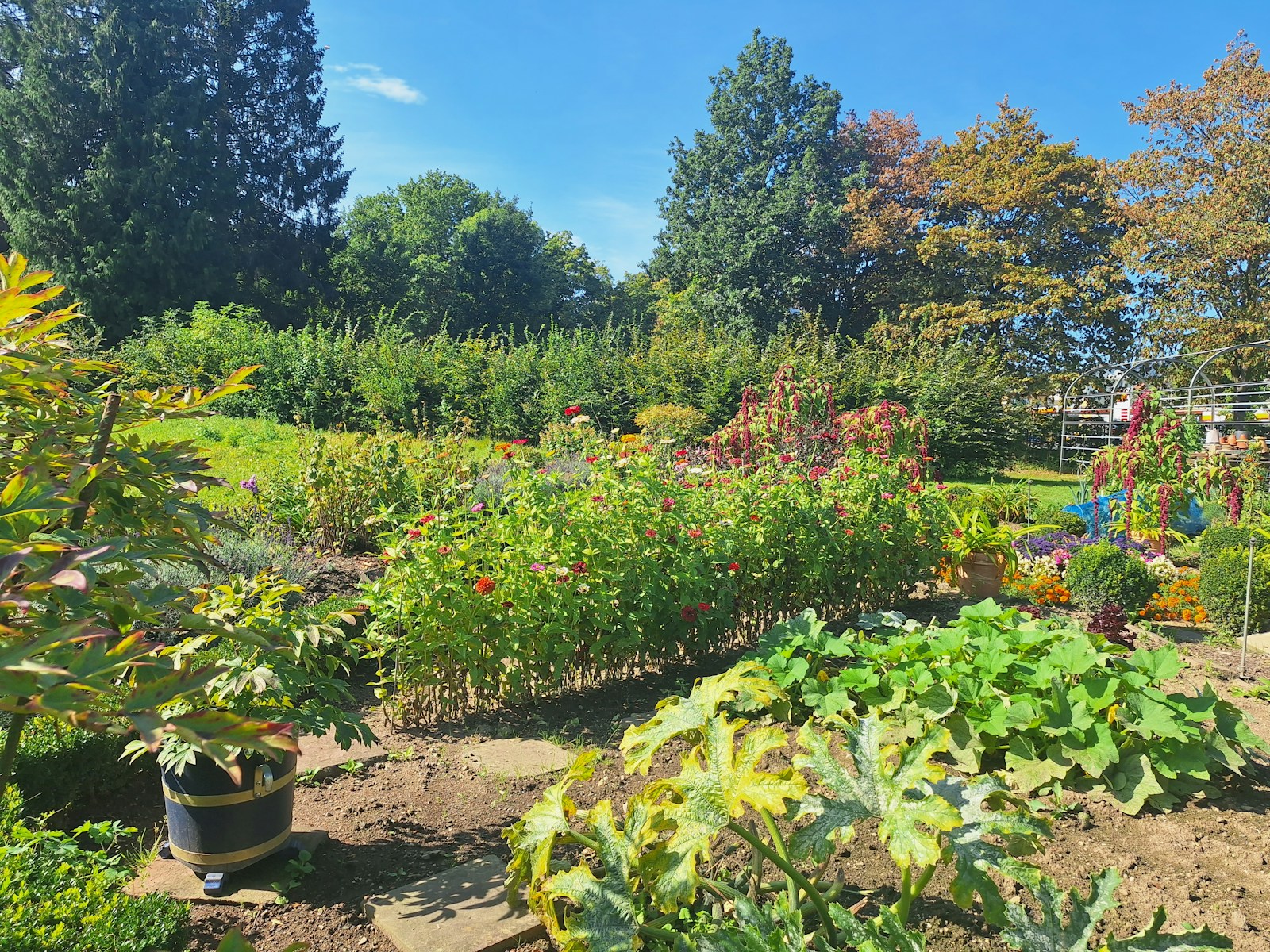
A mix of native and non-native plants brings resilience to your garden. More diversity attracts a wider range of pollinators and animals, which helps your yard stay healthy.
Some non-natives are easier to grow and need less water or care. This can save you time and effort while keeping your space looking great.
| Advantage | What It Means for Your Garden |
|---|---|
| More pollinators | Attracts bees, butterflies, and birds |
| Better soil health | Different roots improve soil quality |
| Water conservation | Drought-tolerant plants need less water |
| Extended bloom times | Longer periods of flowers and interest |
A diverse garden is both beautiful and beneficial to the environment.
New Approaches to Sustainable Gardening
These days, sustainable gardening is all about flexibility and working with nature. Choosing the right mix of plants can boost your garden’s health and create a welcoming spot for local wildlife.
Incorporating Adaptable Non-Natives
You don’t have to stick to just native plants. Adaptable non-natives can make your garden more resilient.
Look for plants that won’t spread aggressively and that fit your climate and soil. They can fill in where native plants struggle, keeping your garden balanced.
Adaptable non-natives can help your garden handle droughts or heavy rain. Many need little watering and no fertilizer once established.
This approach helps reduce maintenance and supports a sustainable, healthy garden.
Supporting Pollinators and Wildlife
Imagine stepping outside and seeing your garden buzzing with life. Bees, butterflies, and birds are looking for places to land and feed.
Choose flowers that bloom at different times of the year. This way, there is always nectar available from spring to fall.
Shelter matters just as much as food. Try adding logs, shrubs, or even a small water source to make your space more inviting.
Pick plants that support local insects and animals. Your garden can become a welcoming spot for wildlife right in your own backyard.