What Unpredictable Weather Is Teaching Gardeners About Perfect Timing for Thriving Plants
Weather these days keeps everyone on their toes, especially if you love to garden. Gone are the days when you could count on the same planting schedule year after year.
Now, each season feels like a new challenge. You have to pay close attention to the forecast and adjust your plans if you want your plants to do well.
The big takeaway is that perfect timing in the garden is all about staying flexible. Adapting to surprises helps you protect your plants and make the most of unexpected weather shifts.
Understanding the shift from historical frost dates to real-time weather patterns
Maybe you grew up hearing about average frost dates and used them as your gardening guide. Those old dates used to be reliable, but now the weather doesn’t always follow the rules.
The frost-free season has stretched out by about 10 days compared to one hundred years ago. Frost risk is still unpredictable, though, and doesn’t move in a straight line.
Factors like wind and air pressure can make frost show up early or late. It’s become much harder to guess, even with years of experience.
Because of this, checking real-time weather reports is more important than ever. Watching for sudden cold fronts or temperature drops gives you a better shot at protecting your plants.
Apps and weather tools now offer up-to-the-minute info. This makes it easier to time your planting and keep your garden safe.
Embracing flexible planting schedules to adapt to sudden temperature changes
Sticking to a fixed planting calendar can backfire when the weather changes suddenly. Cold snaps or heat waves don’t care what the calendar says.
If a late frost is forecasted, waiting a few extra days before planting can save your seedlings. It might feel inconvenient, but it often means healthier plants in the long run.
Paying attention to real-time weather helps you make smarter decisions. Adjusting watering routines and soil care on the fly keeps plants protected.
Simple tools like shade covers or windbreaks can make a big difference when things get extreme. Your garden benefits every time you respond quickly.
Learning to read your garden’s signals takes patience. Over time, you’ll notice your plants and soil telling you when it’s safe to move forward.
Using local climate data to predict optimal sowing windows
Finding the right moment to plant gets easier when you use local climate data. This info covers things like temperature trends, rainfall, and frost dates for your area.
Tracking these patterns helps you avoid planting too early or too late. Seeds stand a better chance when you hit that sweet spot.
Some tools combine historical records with current forecasts and even soil conditions. This gives you planting dates tailored to your unique garden.
Paying attention to local data puts you in control. You can tweak your schedule each year to match how the climate is shifting.
Monitoring short-term weather forecasts daily for garden decisions
Making a habit of checking the weather forecast every day helps you stay ahead. Quick updates on temperature, rain, wind, and humidity guide your next move in the garden.
If you know a cold night is coming, you can cover delicate plants in time. Rain on the way means you can skip watering and save effort.
Short-term forecasts are useful for planning tasks like spreading mulch or pruning. Choosing calmer, drier days makes the work easier.
Staying tuned in to daily changes builds your confidence. You’ll notice your timing improving as you respond to whatever the weather brings.
Selecting drought-tolerant and fire-resistant plant varieties
Choosing plants that can handle dry spells and heat makes a big difference. Drought-tolerant varieties need less water, which is a relief during long dry periods.
Fire-resistant plants add an extra layer of safety, especially if you live in a fire-prone area. These varieties are less likely to burn and help keep your home safer.
Look for thick, waxy leaves and sturdy trees like oaks. These traits help plants survive harsh conditions.
Spacing plants thoughtfully and leaving open areas can also reduce fire risks. Mixing drought tolerance with fire resistance gives your garden an edge.
Incorporating soil moisture sensors to anticipate watering needs
Soil moisture sensors take the guesswork out of watering. These handy devices tell you exactly how wet or dry your soil is at any moment.
When the weather changes quickly, sensors help you keep up. You’ll know when your plants need water and when they don’t.
By watching soil moisture, you avoid overwatering or underwatering. This keeps your plants healthier and saves water.
Many sensors connect to your phone and send alerts. You can respond right away, no matter what the forecast says.
Planning for late frosts with protective covers and timing
Late frosts can sneak up on you, so preparation is everything. Putting covers on your plants before sunset helps trap warmth from the soil.
Watch for clear, calm nights, which are prime times for frost. If freezing temperatures are coming, get your covers ready early.
Use lightweight fabrics like frost cloths or old sheets to create a barrier. Support covers so they don’t rest directly on leaves.
Take covers off after the frost melts in the morning. This lets your plants get sun and fresh air.
Watering the soil during the day can add a bit of extra heat at night. Combining water and covers gives plants a better shot at surviving cold snaps.
Building resilient gardens that recover from extreme weather hits
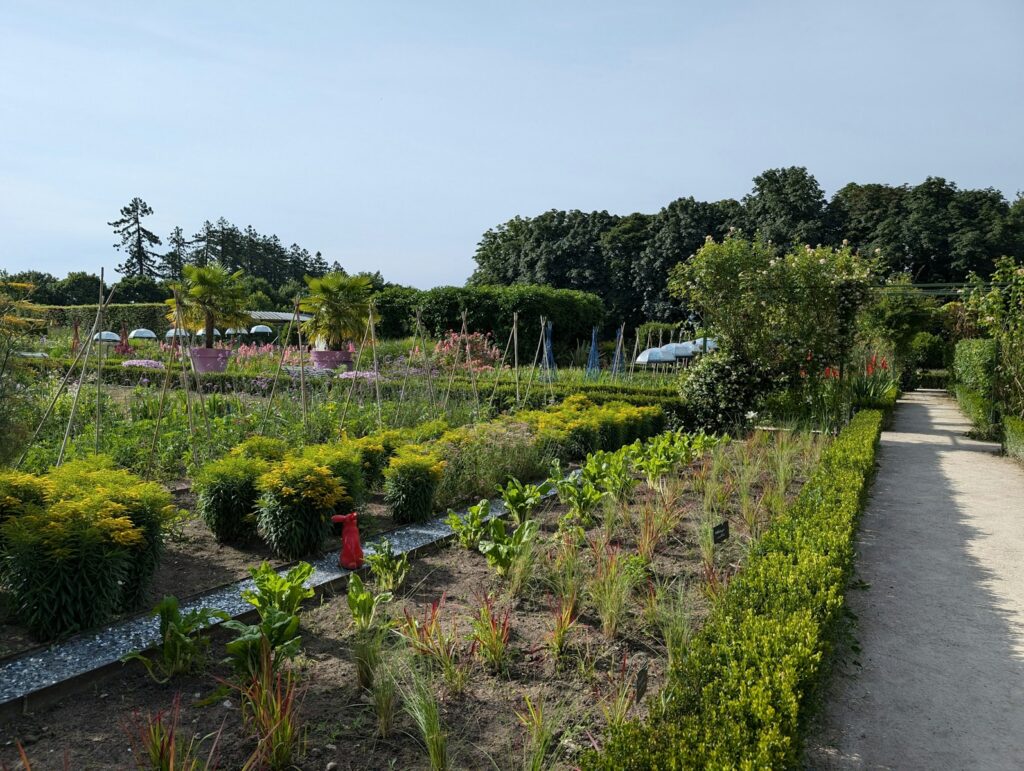
Picking plants that bounce back after storms or heatwaves helps your garden recover faster. Native plants are a solid choice since they’re used to local conditions.
Healthy soil makes a big difference, too. Adding compost or other organic matter keeps moisture in and supports good microbes.
Watering wisely, like using drip irrigation or watering early, helps conserve resources. After storms, check for damage and clean up broken branches.
Shelter your garden with windbreaks or shade cloths. These steps help your plants stand strong when the weather gets wild.
Applying layered planting to balance microclimates within the garden
Layered planting is a great way to manage different microclimates in your yard. By arranging plants in layers, you create natural shade and wind protection.
Tall trees and shrubs shield smaller plants from harsh sun or strong winds. Ground covers stay cool and moist beneath taller neighbors.
Mid-sized shrubs fill in gaps and help balance temperature swings. Layering plants helps your garden handle unpredictable weather better.
Designing your garden this way lets you create safe spots for sensitive plants. It’s a smart way to build a space that adapts as conditions shift.
Adopting crop rotation with climate variability in mind
Rotating crops keeps your soil healthy and helps your garden handle changing weather. Planting different crops in sequence reduces pests and prevents soil from wearing out.
Giving the soil time to recover means better growth, even when the weather is unpredictable. Crop rotation also lowers the risk of losing a whole harvest to storms or drought.
Adding cover crops protects the soil, holds in moisture, and keeps weeds down. Smart rotation supports resilience and helps your garden bounce back after tough weather.
Planning your crop rotation with climate in mind means you’re always adapting. This simple step goes a long way toward a successful garden.
How Unpredictable Weather Is Redefining Gardeners’ Strategies
Weather can flip the script on your garden plans in an instant. You have to stay alert and adjust your timing to keep your plants safe and thriving.
Recognizing Shifting Weather Patterns
Sudden changes in temperature, rain, and storms are more common now. Old gardening calendars don’t always match what’s happening outside.
Watch for signs like earlier springs or unexpected frosts. Keeping notes on rain and heat patterns helps you know when to act.
Weather apps and local alerts can give you a heads-up about big changes. Tracking these patterns helps you avoid risky planting times.
Responding quickly means less damage from droughts or heavy rains. Your garden becomes more resilient because you’re ready to adapt.
The Impact of Timing on Plant Success
Getting your timing right is more important than ever. Plants have specific needs for warmth and moisture, and missing the window can lead to weak growth.
Change your watering schedule to match weather swings. Water more during dry spells and cut back when it rains.
Shade young plants if a heatwave hits to prevent stress. Choosing varieties that handle these challenges makes your garden stronger.
Your timing and flexibility will show in your garden’s health and productivity.
Mastering Flexibility: Adapting Garden Plans To Changing Conditions
Gardening success now depends on your ability to change plans quickly. Using current information and learning from each season helps you decide when to plant, water, or protect your plants.
Flexibility is what keeps your garden healthy when the weather is unpredictable.
Utilizing Real-Time Weather Data
Real-time weather data is a gardener’s best friend. Check forecasts often for temperature swings, rain, wind, or frost.
Apps and websites offer updates by the hour, so you know exactly when to act. Soil moisture and temperature sensors give you even more accurate info at root level.
This data helps you avoid overwatering or letting your plants dry out. Adjust planting schedules based on trends rather than guessing.
Staying informed lets you get ahead of sudden changes. Acting fast can save your plants and keep your garden thriving, no matter what the forecast brings.
Learning From Weather Surprises
Weather can throw all kinds of surprises your way. One week it’s blazing hot, the next there’s an unexpected frost.
When heat arrives early, you might find yourself scrambling to shade your young plants. If a cold snap comes out of nowhere, suddenly you’re searching for old blankets to protect your seedlings.
Jotting down notes about what worked and what didn’t during these surprises can be a lifesaver. Over time, these details help you fine-tune your planting calendar.
Staying flexible is key, since the weather rarely sticks to the same script year after year. Adapting your plans lets you keep your garden thriving, no matter what the forecast brings.