The Backyard Gardening Choice Causing Tension in Some Neighborhoods Sparks Lively Debates and Community Buzz
Backyard gardening has taken off in many neighborhoods, but it’s not always a peaceful hobby. What starts as a way to grow food or add beauty can sometimes spark heated conversations with neighbors or run into tricky local rules.
The key issue is that your gardening choices may affect those around you, causing debates over space, appearance, and community standards. You might find yourself in the middle of a conversation about what’s allowed and what isn’t, just because of a few plants or a new compost bin.
Overgrown hedges blocking sunlight and views
Tall hedges can feel like a cozy green wall, but they sometimes become a problem if they block sunlight. When hedges get thick or really tall, your garden might struggle to get enough light.
If your neighbor’s hedge is blocking your view or casting too much shade, it can be tough to know what to do. You can’t trim past your property, but you don’t want to start a feud either.
Regular trimming keeps hedges healthy and prevents them from taking over the view. A friendly chat with your neighbor often helps find a solution before things get tense.
If the hedge is damaging property or really cutting off sunlight, it might be time to look up your rights. It’s not a lost cause—communication and a little care can go a long way.
Planting tall trees on property lines
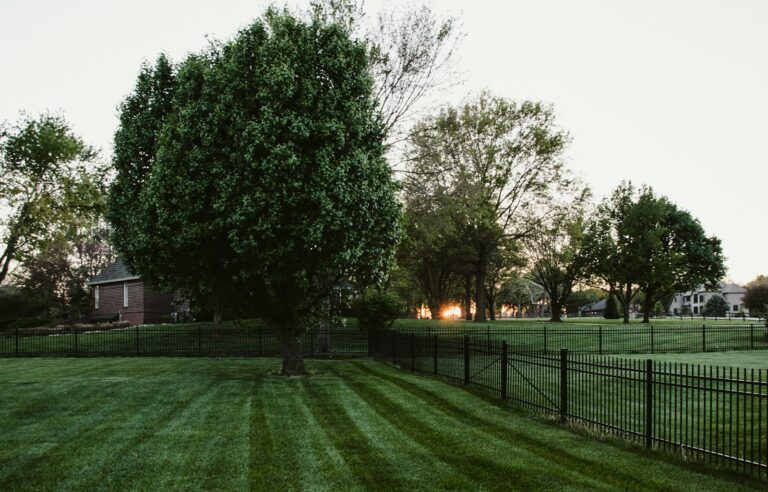
Planting tall trees right on the property line can get complicated fast. A leafy natural fence sounds great until branches or roots start crossing into your neighbor’s yard.
Before planting, it’s smart to talk things over with your neighbor. You can avoid a lot of headaches with a quick conversation.
Local rules might limit how close you can put trees to the line, so checking first helps you skip fines or forced removal. If roots damage a sidewalk or fence, you could be on the hook for repairs.
With some planning and neighborly communication, your backyard can be a shady retreat without any drama. Watching your tree grow is much more fun when everyone’s on board.
Excessive outdoor lighting causing glare
Bright backyard lights can make your space feel safer and more inviting at night. But too much light or the wrong kind can cause annoying glare that bothers you and your neighbors.
Glare happens when light shines right into someone’s eyes or makes it hard to see. It can turn a cozy backyard into an uncomfortable spot.
Choosing fixtures that point down or use shields keeps the light where you want it. Swapping bulbs or moving lights can also help soften the brightness.
If you want your backyard to feel warm and welcoming, controlling glare is a simple fix. Your neighbors will appreciate the effort, and you’ll still have a great space to enjoy after dark.
Front yard vegetable gardens raising eyebrows
Turning your front yard into a vegetable patch can get people talking. Neighbors used to tidy lawns might be surprised to see tomatoes and peppers instead of grass.
Front yards usually get great sunlight and make perfect spots for growing food. You get fresh produce and a splash of color right at your doorstep.
Some folks might worry about how it looks, but a well-designed garden with neat rows or raised beds can be just as attractive as a lawn. Mixing in flowers can help your garden blend in with the neighborhood.
A creative front yard garden can inspire others and show there’s more than one way to have curb appeal.
Unmowed wildflower patches clashing with neighbors’ lawns
A wildflower patch brings color and supports bees and butterflies, but not everyone loves the natural look. Neighbors who prefer neat, trimmed lawns might see your wildflowers as messy.
Letting your yard grow wild can make some people think you’re not keeping up with your property. Sometimes, this leads to complaints or even unwanted mowing from others.
Wildflowers help local insects and create a small wildlife haven. Even if your patch stands out, it adds beauty and supports nature right in your neighborhood.
Installing noisy water features like fountains at night
Adding a water fountain can turn your backyard into a peaceful retreat during the day. But when the water runs all night, the sound can get on your neighbors’ nerves.
A fountain that’s soothing to you might be distracting when the rest of the block is quiet. It can make it hard for others to get a good night’s sleep.
Using a timer to turn off the fountain at night keeps things peaceful. Choosing a design with softer water sounds can also help everyone enjoy their evenings.
With a little planning, you get the calming effect during the day and keep things quiet when it matters most.
Composting bins emitting strong odors
Starting composting is a great way to recycle, but sometimes the bin starts to smell. Strong odors can drift over to your neighbors and cause frustration.
Usually, smells mean the compost pile needs more dry material or better airflow. Too many food scraps and not enough leaves or paper can make things stink.
Turning the pile and adding dry stuff helps keep odors in check. Skipping meat or dairy in your bin also makes a big difference.
With a little attention, your compost stays fresh and does its job without bothering anyone nearby.
Using chemical pesticides harming local wildlife
Using chemical pesticides might seem like the fastest way to protect your plants. But these chemicals can hurt bees, butterflies, and other pollinators that your garden depends on.
Pesticides don’t just target pests—they can harm birds and helpful insects, too. If you want a yard full of life, spraying chemicals can work against you.
Rain can wash pesticides into the soil and water, spreading the impact beyond your yard. This makes it harder for wildlife to thrive.
Switching to safer alternatives helps your garden and keeps local wildlife healthy. You get vibrant plants and a yard buzzing with life.
Crowding common areas with garden furniture
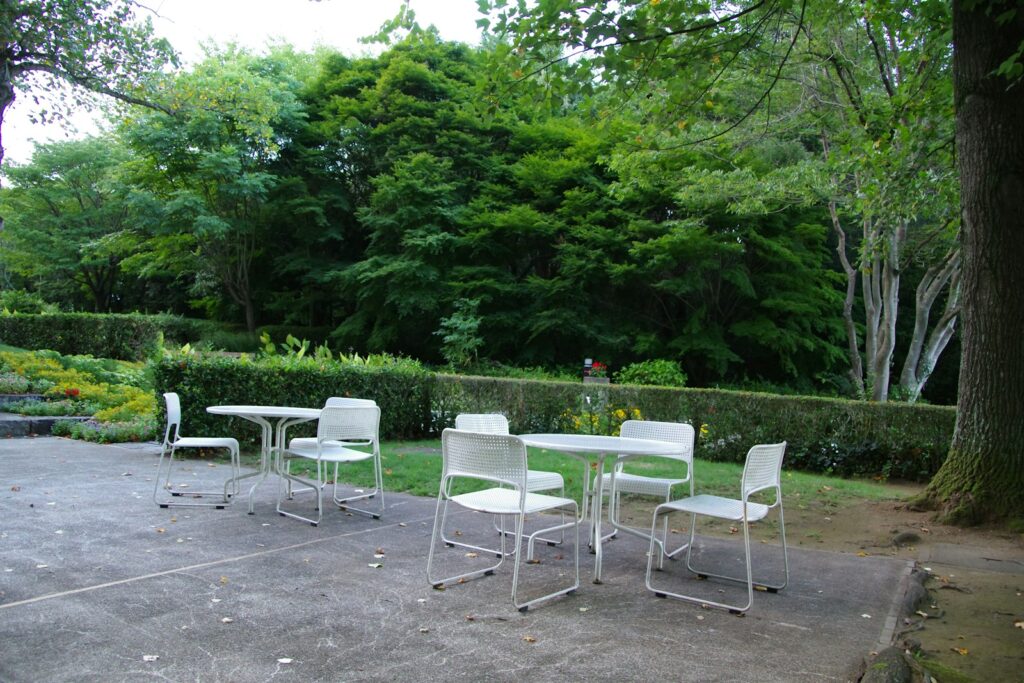
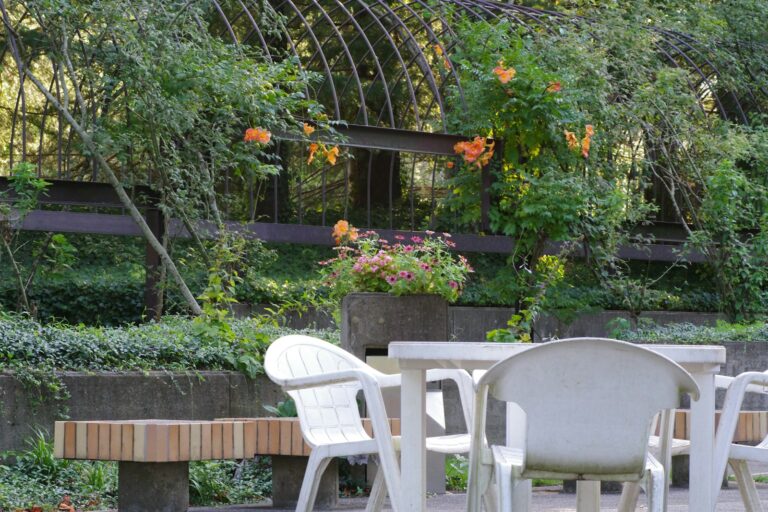
It’s easy to get carried away with outdoor furniture, especially when you want your backyard to feel inviting. Too many chairs and tables can make the space feel tight and hard to move around.
A crowded area can turn simple tasks into a hassle. Guests might have to squeeze past furniture just to get to the grill or garden.
Good furniture placement keeps pathways clear and the space comfortable. Leave room for people to walk and gather without feeling boxed in.
A little planning makes your backyard both stylish and easy to enjoy.
Neglecting invasive plant control
Ignoring invasive plants can quickly turn your garden into a jungle. These plants spread fast and crowd out the flowers and veggies you actually want.
If left alone, invasive plants can spill over into your neighbors’ yards. This can frustrate people who work hard to keep their gardens healthy.
Invasive plants compete for water and nutrients, making it tough for your favorite plants to survive. A few minutes of weeding can save you and your neighbors a lot of trouble.
Staying on top of invasive plants helps everyone enjoy a greener, healthier neighborhood.
Understanding the Controversy
Backyard gardening isn’t just about what you plant—it can shape your relationships with neighbors and the rules you all live by. Even a small change in your yard can start a conversation or spark debate.
Defining Backyard Gardening Choices
There are endless ways to garden at home. You might focus on vegetables, set up a compost bin, or try water-saving tricks. Some people plant native flowers, while others keep tidy lawns or add fruit trees.
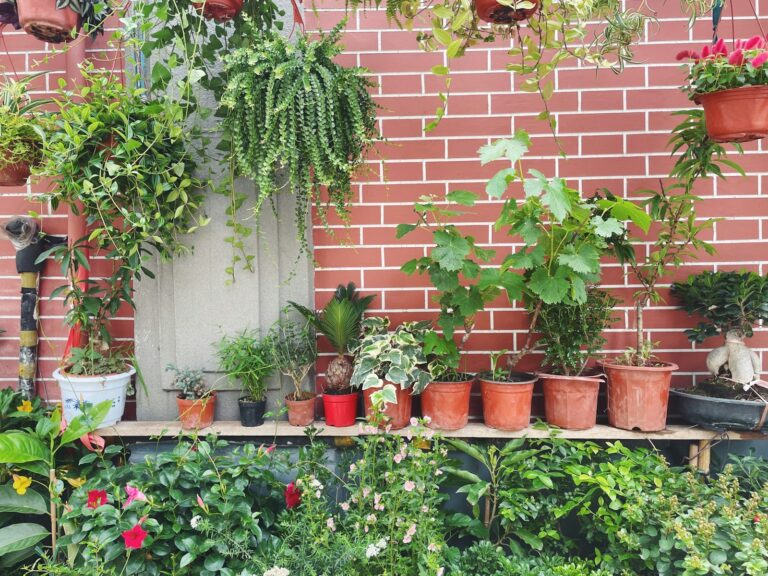
Trendy ideas like vertical gardens or raised beds help you get creative with small spaces. You might add a trellis or build a cozy nook for your plants. Every choice changes how your yard looks and works.
Why These Choices Spark Debate
Backyard gardening can lead to disagreements when your ideas clash with your neighbors’ or city rules. Some folks worry that gardens attract pests or look messy, while others prefer a uniform look.
Cities sometimes set limits on what you can grow or how your yard should look. These rules try to balance personal freedom and neighborhood standards, but they can feel restrictive if you want to do things your own way.
Debates often come down to appearance, health concerns, and property values. What feels right for you might not sit well with someone next door.
Impact on Community Dynamics
Gardening choices can change the way neighbors connect and how the whole street feels. Sometimes, it brings people together. Other times, it stirs up disagreements.
Neighbor Reactions and Concerns
Starting a backyard garden might get you a thumbs-up from some neighbors. They see fresh food and a prettier street as big wins.
Others might worry about pests, smells, or noise from tools. Space can be a touchy subject, especially if yards are small and people feel crowded.
Gardens can also open the door to new friendships. Sharing tips or extra veggies can turn neighbors into friends and make your block feel more connected.
Changing Neighborhood Aesthetics
Maybe you’ve noticed how a backyard garden can completely change the look of a street. Some neighbors genuinely enjoy seeing green spaces filled with color and life.
It brings a unique charm and personality to the block. But not everyone feels the same way.
There are always a few who might think your garden looks wild or out of place next to trimmed lawns. Overgrown plants or tall garden structures can sometimes lead to disagreements about what fits in.
If you’re worried, try talking with your neighbors about your plans. Keeping your space tidy can help everyone feel comfortable with your garden’s style.