Why Small Harvests Are Becoming the New Gardening Goal: Embrace Big Joy in Tiny Bounties!
Not everyone has space or time for a sprawling vegetable patch, but that doesn’t mean you can’t enjoy the rewards of gardening. More people are discovering how satisfying it can be to grow just a little—sometimes a handful of tomatoes or a small bunch of herbs is all you need to feel accomplished.
Small harvests are catching on because they make fresh food possible for almost anyone. You get to focus on the details, learn about your plants, and enjoy every little success along the way.
Celebrating Tiny Wins: Finding joy in even the smallest harvests
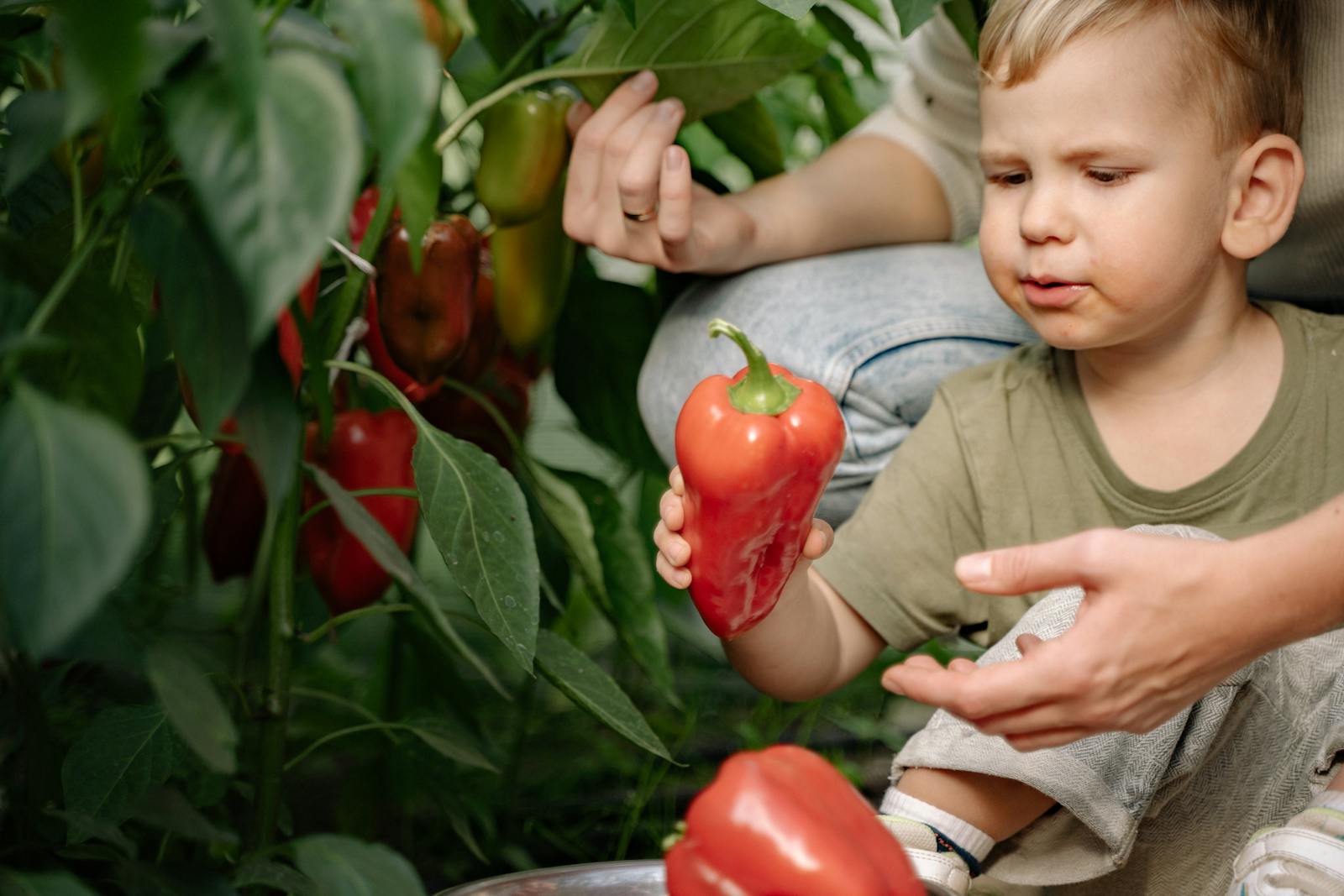
Seeing a single ripe tomato or one perfect carrot is a reason to smile. These moments prove your effort is making a difference, even if the harvest is small.
Each little crop teaches you something new. Maybe you notice the soil is improving or your watering schedule is finally working.
Picking your first few sprouts or a handful of herbs can bring huge joy. Growth in the garden is a journey, and every small harvest is a step forward.
By noticing and celebrating these tiny wins, gardening feels less like a chore and more like an adventure. These moments keep you coming back for more.
Maximizing Flavor: Small quantities often mean fresher, tastier produce.
When you grow just a little at a time, you get to pick your fruits and veggies exactly when they’re ready. This means your food is fresher and tastes better than anything that’s been sitting around.
With smaller harvests, you can pay close attention to each plant. You’ll catch produce at its peak, so every meal feels special.
Handling less at once means less bruising and spoilage. Your veggies make it to your kitchen crisp and sweet.
Trying out new varieties or mixing up flavors is easier with small batches. You get to experiment without feeling buried in produce.
Your garden becomes a source of true flavor, and you notice the difference in every bite.
Precision Harvesting: Using exact timing and technique to boost quality
Knowing when to pick makes a big difference. Precision harvesting is about waiting for that perfect moment when your fruits or veggies are just right.
Gentle handling and the right tools help keep your harvest fresh. Small harvests give you the time to be careful and get the most out of every crop.
Paying attention to the weather or soil lets you make smarter choices about when to pick. This means better tasting food and less waste.
Small, well-timed harvests are more satisfying. The focus shifts from quantity to the joy of top-quality produce.
Succession Planting: Growing multiple quick crops in one season
Succession planting is a clever way to keep your garden producing. Instead of waiting for one big harvest, you plant different crops one after another for steady rewards.
Start with something quick like radishes or lettuce. Once harvested, pop in another fast grower like beans or kale.
Watching your garden change with each new planting keeps things interesting. You get to try more varieties and keep the harvest coming.
If one crop finishes early, you can fill the space right away. Your soil stays busy, and you get more out of every inch.
Planting and harvesting almost every week becomes possible with the right choices. It’s a fun way to keep fresh food on your table without feeling overwhelmed.
Soil Health Focus: Building rich soil for surprisingly big returns
Big harvests don’t require a huge garden. The real magic happens underground, where healthy soil gives your plants everything they need.
Adding compost is an easy way to boost your soil. It improves texture and helps roots grow strong, even in small spaces.
Focusing on soil means paying attention to its balance and life. Healthy soil prevents problems and supports steady growth.
A little care for your soil can lead to bigger rewards from even the tiniest garden.
High-Yield Veggies: Choosing plants like radishes and leafy greens
Picking the right plants makes a small garden feel much bigger. Radishes grow fast and take up hardly any room, making them a top choice.
Leafy greens like lettuce and spinach are perfect for small spaces. They can be harvested again and again, giving you a steady supply.
These veggies don’t need much space and produce quickly. With the right choices, your small garden stays busy and productive all season.
Smart Garden Layouts: Designing space-efficient beds and containers
A little planning can turn even the smallest space into a productive garden. Raised beds help organize your plants and improve drainage.
Containers are great for tight spaces. You can move them around or stack them to fit more in.
Mixing different plants together, known as companion planting, saves space and can keep pests away. Every spot in your garden works harder.
Square-foot gardening breaks the bed into sections, making it easy to plan and manage. Your garden stays neat and efficient.
Working with your space instead of against it makes gardening less stressful and more fun.
Sustainability Boost: Reducing waste through smaller, targeted harvests
Picking only what you need helps you use resources wisely. Smaller harvests mean less food goes to waste.
It’s easier to plan meals when you harvest in small amounts. Your kitchen stays free from spoiled produce, and you save money.
Giving each plant more attention leads to healthier crops that last longer. Less waste means a greener lifestyle and a happier planet.
Harvesting in smaller batches makes the experience more rewarding. You get to enjoy every bit of what you grow.
Community Gardening: Sharing small harvests to build strong bonds

Sharing even a small harvest can bring people together. A few tomatoes or herbs are enough to start a conversation with neighbors.
You don’t need a big yield to make an impact. Giving away a little shows you care and helps build trust in your community.
Working alongside others teaches you new skills and introduces you to different ideas. These connections make the garden feel like home.
Celebrating small harvests with your community creates memories and a sense of belonging. Everyone’s contribution matters.
Nutritional Impact: Small harvests packed with intense nutrients
Microgreens and small harvests can be nutrition powerhouses. These young plants often pack more vitamins and minerals than their mature counterparts.
A small tray of microgreens can add flavor and nutrition to your meals every day. They’re easy to grow and fit anywhere.
These tiny greens are loaded with beneficial compounds that help your body stay healthy. Even a little goes a long way.
Small harvests prove you don’t need a big space to eat well. The impact on your health can be huge.
Why Gardeners Are Embracing Smaller Yields
The trend is shifting toward growing just what you need. It’s about quality and satisfaction, not just filling baskets to the brim.
Mindful Consumption Trends
More people want to know where their food comes from and how it’s grown. Smaller harvests let you grow exactly what you’ll use, cutting down on waste.
You get to enjoy homegrown produce that fits your lifestyle. It’s easier to manage and helps you build sustainable habits.
Less waste, better use of resources, and a stronger connection to your food make gardening more meaningful.
Quality Over Quantity
Focusing on smaller harvests lets you pay more attention to each plant. You can water, prune, and care for them with less stress.
This leads to sweeter, more flavorful, and nutritious produce. Trying out special crops or high-value greens becomes possible in small spaces.
Careful plant selection and precision harvesting bring out the best in your garden. Your plot becomes a source of pride.
Sustainable Benefits of Small-Scale Harvesting
Enjoying fresher food and helping the environment go hand in hand with small-scale harvesting. Less waste and healthier soil are just two of the benefits.
Reducing Food Waste at Home
Picking only what you need keeps your food fresh longer. Smaller harvests mean less produce goes bad before you can use it.
You can plan meals around what’s ready in your garden. Regular harvesting makes it easier to manage leftovers and share extras.
This simple habit makes your kitchen more efficient and your garden more practical. Every small harvest counts.
Enhancing Soil and Plant Health
Have you ever noticed how your plants seem happier when you don’t take too much at once? Harvesting in smaller amounts can actually encourage stronger growth.
When you pick carefully, your plants are less likely to get stressed. This gentle approach helps them keep growing well.
Small harvests often go hand in hand with crop rotation and cover cropping. These methods are great for protecting your soil.
Healthy soil holds onto nutrients, so you might find you need fewer synthetic fertilizers. Plants raised this way tend to fight off pests and diseases better on their own.
Over time, working with nature like this keeps your garden productive. You might even notice your space becoming more sustainable and enjoyable to care for.