The Moment Many Gardeners Realize They’ve Been Overdoing It and Finally Find Balance
Ever look at your garden and feel like you’re working way harder than you should be? So many of us get caught up in the cycle of watering, pruning, and trying every new trick, hoping it will make our plants thrive.
But sometimes, all that effort starts to backfire, and you wonder if you’re actually helping at all.
That moment hits hard when your plants look tired or your energy runs dry despite all your hard work. It’s a common surprise—sometimes less is more in the garden.
Realizing the soil is compacted from too much tilling
Tilling feels productive, but doing it too often can actually make your soil harder. When you over-till, soil particles get pressed together and there’s less space for air and water.
Suddenly, your plants aren’t growing as well as they used to. Roots struggle to spread, and water can’t soak in like it should.
You might notice water pooling on the surface or soil that’s tough to dig into. If you tilled when it was wet, things can get worse fast.
Extra tilling can create a hard layer called a “hardpan.” Adjusting how often and when you till can make a big difference—your soil will appreciate gentler care.
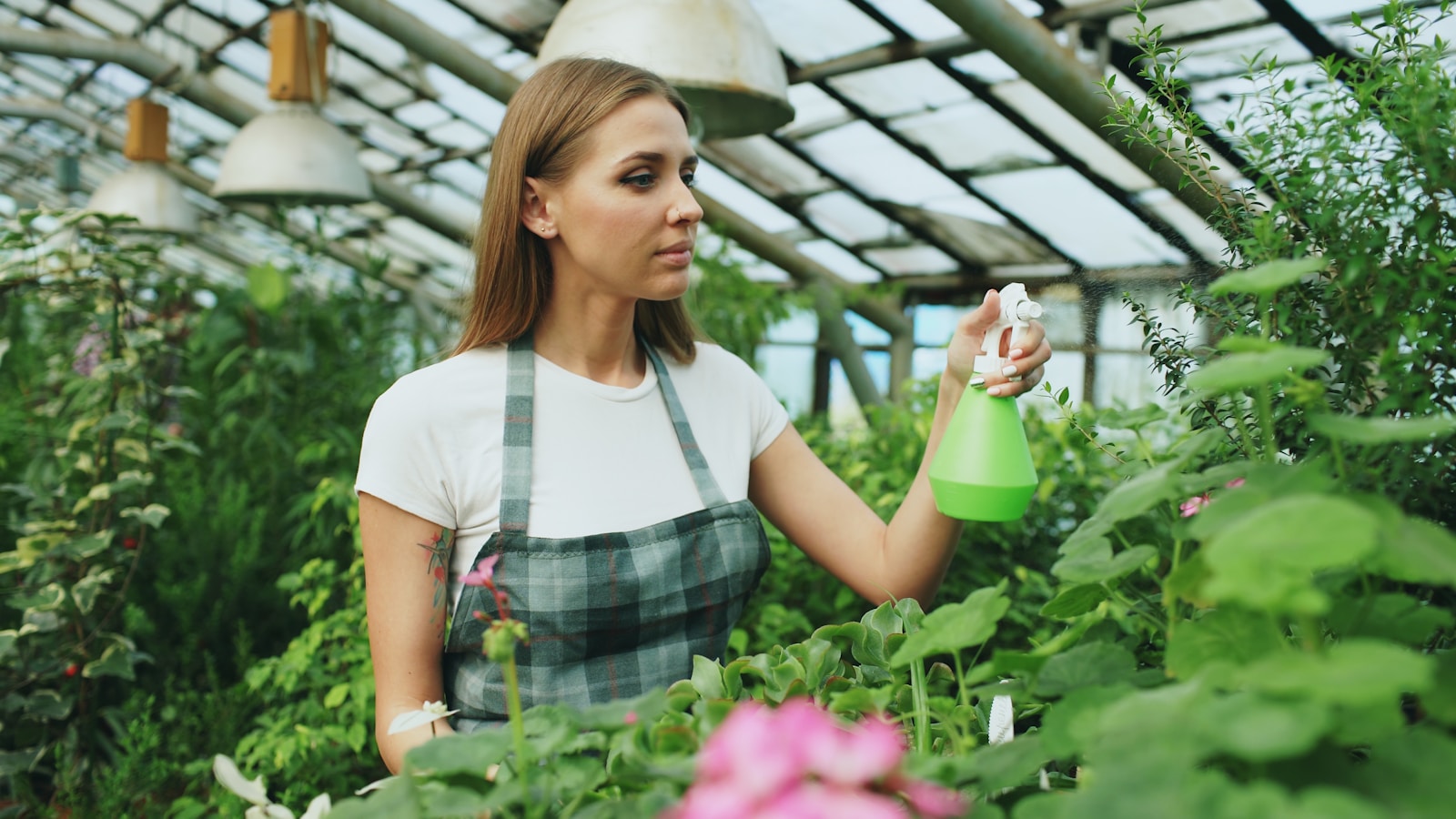
Noticing plants are wilting despite frequent watering
You water every day, but your plants still look droopy and sad. It’s frustrating when you’re doing everything “right.”
Wilting makes you think you need to water more. But too much water can rot roots, and then plants can’t take up water at all.
Sometimes the soil feels soggy or smells off. That’s a big clue there’s too much moisture and not enough drainage.
If you see wilting after lots of watering, it’s time to check under the surface. Let the soil dry out a bit and see if your plants perk up.
Feeling overwhelmed by an excessively crowded garden bed
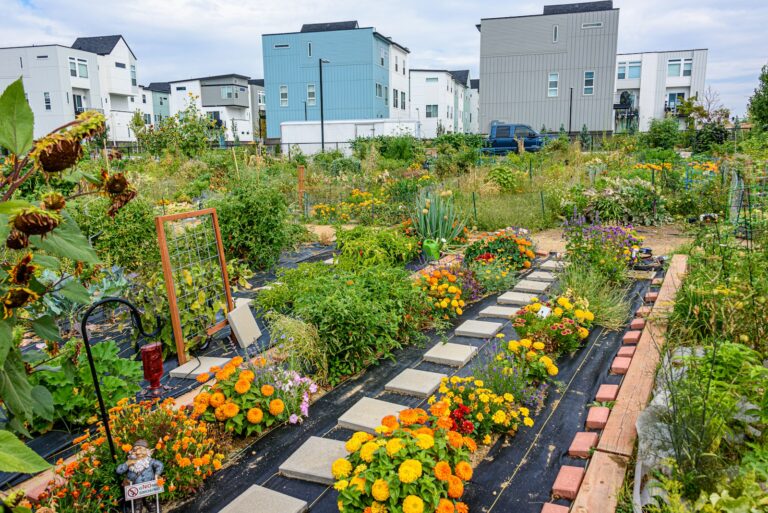
It’s easy to get excited and plant too much at once. Before you know it, your garden bed is packed tight and you can’t tell where one plant stops and another begins.
All that crowding makes your garden look messy and can be overwhelming. Plants end up fighting for sunlight, water, and nutrients.
Some plants struggle while others take over. It starts to feel like a chore instead of a relaxing hobby.
If you forgot to thin out seedlings or planted too much, you’re not alone. Try taking small steps to clear space and give each plant room to breathe.
Seeing that meticulous pruning is stressing plants
It’s tempting to prune for a tidy look, but too much can stress your plants. When you cut off lots of leaves or branches, plants can get weak.
You might notice your plants looking sickly after a big prune. They need enough leaves to make food, so taking off too much slows their growth.
Careful trimming helps, but timing and moderation matter. Learning when and how much to cut keeps your garden thriving.
Finding mulch piled too thick, suffocating roots
It’s easy to get carried away with mulch, thinking more is better. But a thick layer can suffocate roots and block air from reaching the soil.
Mulch stacked high traps moisture, creating a soggy environment. Roots need oxygen, and too much mulch takes that away.
Bugs and pests love thick, damp mulch too. Aim for 2 to 3 inches and keep it away from trunks and stems.
Once you spot mulch volcanoes, thinning them out can make a huge difference. Your plants will look healthier with the right amount.
Observing nutrient burn from over-fertilizing
Sometimes you notice brown or yellow leaf tips that look scorched. The leaves might even curl or feel crispy.
That’s a sign you’ve added too much fertilizer. Excess nutrients build up and make it harder for roots to take in water.
You might see brown patches or leaves dropping early. It feels like your plants are struggling, even with all your effort.
Spotting these signs early means you can adjust and help your garden bounce back.
Caught up in daily, unnecessary weeding marathons
It’s easy to think pulling weeds every single day will keep your garden perfect. But constant weeding can get exhausting and take away from enjoying your space.
Weeds grow back fast, especially if you don’t get the roots. Sometimes, over-weeding just disturbs the soil and makes it easier for new weeds to sprout.
When you spend all your time on weeds, other garden tasks get ignored. Try waiting and pulling them all at once during the right season to save time and energy.
Discovering pests attracted by overwatering
Overwatering can bring more than just droopy plants. Damp soil is a welcome mat for pests like fungus gnats.
Fungus gnats multiply quickly in wet soil and their larvae harm roots. Root aphids and slugs also thrive in these conditions.
Wilting or yellow leaves might be your first clue. Watch for pests when your plants start looking stressed and check if you’re watering too much.
Trying to manage too many plant varieties at once
It’s tempting to fill your garden with every flower or veggie you can find. But managing lots of varieties can get overwhelming fast.
Each plant has its own needs—some want more sun, others need special soil. It’s hard to keep up with all of them.
Crowded plants compete for light and nutrients, and some might stop growing. Starting with a few hardy types helps you learn and succeed.
Add new varieties slowly so you can see what each one needs and keep your garden fun to manage.
Overplanting and then struggling with poor air circulation
Planting flowers or veggies close together makes your garden look lush at first. But soon, you notice weak plants and leaves turning yellow or spotted.
Overcrowding blocks air flow, creating a damp environment perfect for fungal diseases. Care gets harder when everything is packed in tight.
Give your plants the space they need by following spacing guides. Thinning out as they grow helps air move and keeps your garden healthy.
Understanding the Signs of Overdoing It in the Garden
Sometimes your body gives you hints you’re pushing too hard. Aching muscles, especially in your back and knees, are a warning.
Feeling unusually tired or noticing swelling and bruises is another sign. If these symptoms get worse, it’s time to step back and rest.
Your plants also show stress when you give too much attention. Overwatering is a common mistake—leaves turn yellow, wilt, or drop.
Too much fertilizer can burn roots and slow growth. Soggy soil or mold means your plants need less.
Check your garden regularly for curling leaves, spots, or sudden browning. Usually, it’s a sign to ease up and let your plants recover.
Embracing a Balanced Approach to Gardening
Finding balance in your garden means working with nature instead of against it. It keeps you from burning out and helps your plants stay healthy.
When you let nature do some of the work, your garden gets stronger. Some weeds help prevent soil erosion or support good bugs.
Natural predators like ladybugs and spiders can keep pests in check. Giving plants space to grow at their own pace reduces stress for everyone.
You’ll see healthier roots and stronger stems when you don’t overdo it. Sometimes, stepping back is all your garden needs to thrive.
Mindful Gardening Habits for Long-Term Success
Gardening can be a peaceful escape from the rush of daily life. When you take time to notice how your garden feels and changes, it becomes even more rewarding.
Instead of hurrying to fix every little issue, slow down and observe. Notice which spots need water or where plants are looking their best.
Try writing down what you see in a gardening journal. Over time, you’ll start to see patterns like when flowers bloom or when pests show up.
Catching these changes early makes it easier to care for your plants. It also keeps you from feeling overwhelmed.
Set a few simple goals for each day in the garden. Focusing on just one or two tasks helps gardening stay enjoyable.
When you use gentle tools and avoid forcing plants to grow too quickly, they respond better. Small steps, like mulching or careful pruning, add up over time.
Quick Tips for Mindful Gardening:
- Take time to observe before doing
- Keep track of your garden’s patterns
- Set small, daily goals
- Use gentle care methods