What Long-Time Gardeners Wish They’d Stopped Stressing About
Ever feel like gardening is just one long list of worries? If you’ve spent any time digging in the dirt, you know it’s easy to get caught up in the little things.
Over time, gardeners realize some worries just aren’t worth the stress. Let’s dig into what seasoned gardeners wish they’d stopped overthinking.
Worrying about perfect, blemish-free tomatoes
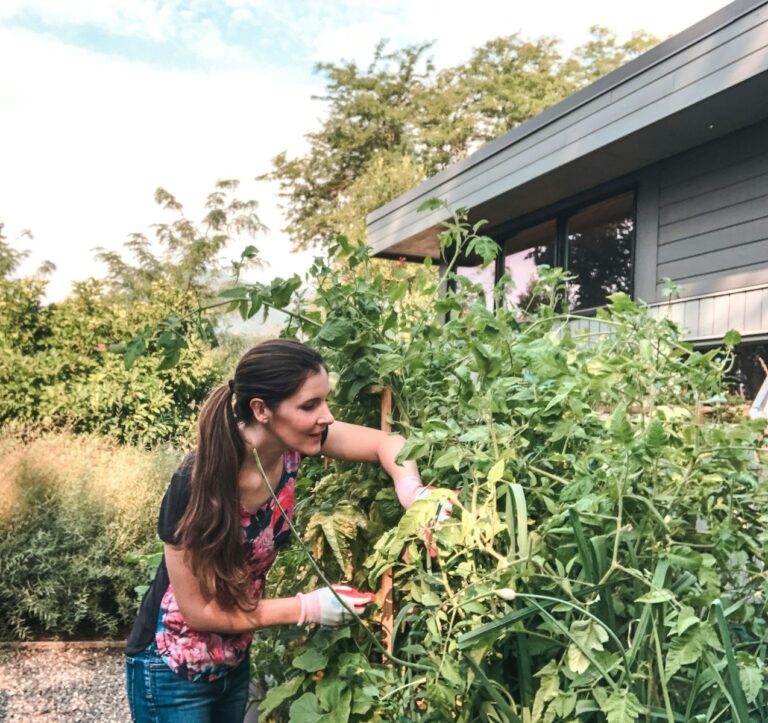
It’s tempting to think every tomato needs to look perfect. The truth is, most homegrown tomatoes have some cracks or spots.
These marks don’t take away from their flavor or nutrition. In fact, they show your tomatoes grew naturally outside.
Healthy plants and a steady harvest matter more than flawless looks. Chasing perfection only adds stress and takes away from the joy of picking your own tomatoes.
A few cracks or spots usually come from changes in water or weather. Celebrate the juicy, fresh tomatoes you grew.
Fretting over every single weed in the garden
Spotting weeds can make you want to pull every single one right away. But not all weeds are urgent.
Some weeds don’t bother your plants much and can wait. Trying to get rid of every weed can disturb your soil and take away from enjoying your garden.
Learning which weeds actually harm your plants saves you time and energy. Mulching and keeping your plants healthy can help keep weeds down.
Letting go of the need for a perfectly weed-free garden makes gardening more enjoyable.
Obsessing on instant, full flower beds
It’s easy to want a flower bed bursting with color right away. Filling every space too soon can cause problems.
Overcrowding makes plants compete for sunlight, water, and nutrients. This can leave some flowers struggling.
A thriving garden takes time to fill in. Planning with layers and giving each plant space helps every flower shine.
Choose plants with different bloom times for interest all season. Patience lets your garden grow into its best shape.
Think of your flower bed as a puzzle. Each plant needs its own spot to thrive.
Stress over soil that isn’t perfectly balanced
Worrying about perfect soil can stop you from enjoying your garden. Most plants can handle less-than-ideal soil.
Small changes in pH or nutrients won’t ruin your garden. Adding compost and organic matter helps your soil improve over time.
You don’t have to fix everything before you start planting. Test your soil, but don’t let it hold you back.
Simple steps like watering well and mulching make a big difference. Healthy soil is a work in progress.
Panicking when wildlife visits your plants
Seeing a rabbit or squirrel in your garden can be nerve-wracking. Most visits do little harm.
A few nibbled leaves or broken stems are usually manageable. Small fixes like moving birdbaths or adding fencing can help.
Not all wildlife is bad—some help pollinate or eat pests. Watch before reacting, and you may find the problem isn’t as big as it seems.
Wildlife visits are part of the gardening experience. Over time, you’ll learn which issues need attention and which will pass.
Thinking you must use harsh chemicals to control pests
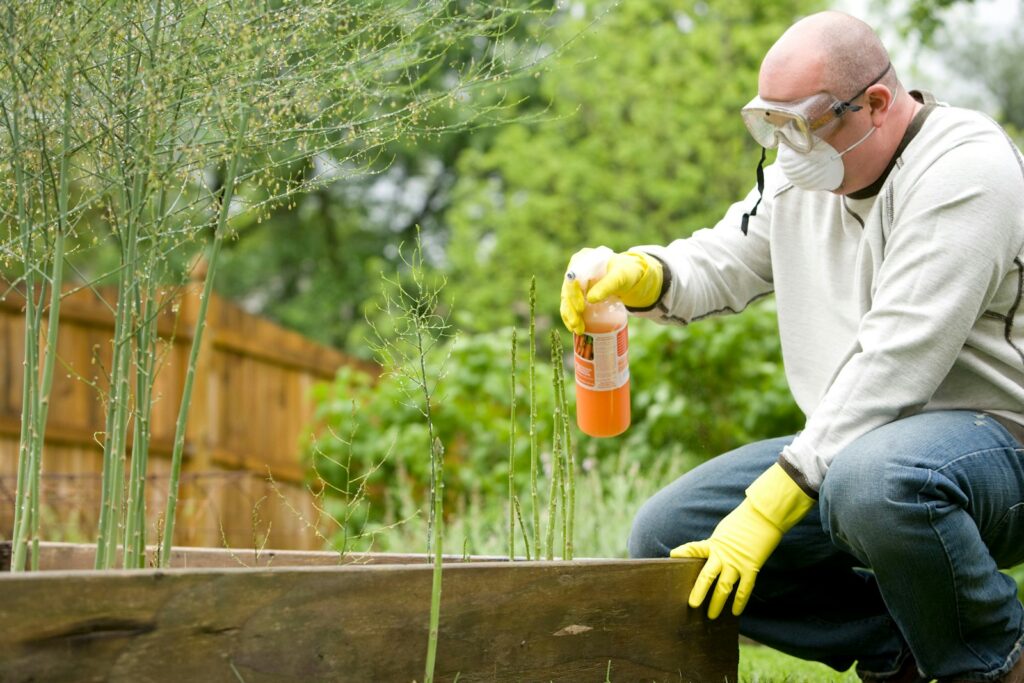
It’s common to think only strong chemicals will protect your plants. But harsh sprays aren’t always necessary.
Overusing chemicals can make pests more resistant and harm helpful insects. There are gentler, natural ways to manage bugs.
Try organic options like neem oil or diatomaceous earth. Even handpicking pests or planting pest-repelling flowers can help.
You don’t have to rely on toxic sprays. With patience and creativity, your garden can thrive naturally.
Comparing your garden’s progress to others’
It’s tough not to compare your garden to someone else’s. But every garden is different.
Soil, weather, and plant choices all make a difference. Use other gardens as inspiration, not as a measuring stick.
Keep track of your own progress with photos or notes. Celebrate small wins, like your first bloom or a healthy harvest.
Focusing on your garden’s story brings more satisfaction. Your garden is unique, just like you.
Anxiousness over last-minute frost or weather changes
Checking the weather forecast every day can make you anxious. Sudden frosts are stressful, but most plants are tougher than you think.
Some plants can handle a cold night, while others need extra care. Knowing which is which helps you worry less.
Simple steps like covering plants or moving pots indoors offer good protection. You don’t have to control the weather—just adapt.
Even if frost hits, many gardens bounce back. Plants are resilient, and your care makes a difference.
Overplanting and feeling overwhelmed with maintenance
Planting too much can seem like the way to a beautiful garden. But overcrowding makes care harder.
When plants are packed together, they compete for everything. This can leave you with more work and less enjoyment.
Give each plant enough space to grow well. Mulching can help reduce weeds and watering needs.
Breaking tasks into smaller steps keeps maintenance manageable. A well-planned space is easier to care for and more enjoyable to spend time in.
Less really can be more in the garden. Thoughtful spacing means less work and more time to relax.
Believing that every garden day must be super productive
It’s easy to feel like you have to accomplish a lot every time you’re in the garden. But not every day needs to be busy.
Some days, just watering or enjoying your plants is enough. Slower moments matter too.
Gardening is about patience and connection. When you let go of the pressure to be productive, you find more joy in simple moments.
Both busy and quiet days help you grow as a gardener. Enjoy the journey and notice the little changes.
Why Gardeners Overthink Common Concerns
Sometimes, it feels like you have to worry about every detail. Outside influences and ideas of perfection can make gardening stressful.
The Impact of Social Media on Garden Anxiety
Scrolling through perfect garden photos online can make your efforts feel small. It’s easy to forget those images don’t show the whole story.
Most posts highlight the best moments. Real gardens have pests, weather troubles, and slow growth too.
If you catch yourself comparing, take a break and focus on your own progress. Your garden’s journey is unique.
Letting Go of Perfection in the Garden
Trying to control every detail can take the fun out of gardening. Mistakes and surprises are part of the process.
Set simple goals and watch your plants regularly. Accept that not everything will go as planned.
Celebrate small wins, like a new sprout or a visiting bee. Relaxing your standards lets you enjoy your garden more.
Embracing the Joy of Imperfect Gardening
Letting go of perfection brings more peace to your gardening routine. Your garden will change and surprise you, and that’s part of the fun.
Growing with Your Garden Over Time
As the years pass, you’ll see your garden change. Some plants thrive, others don’t, and that’s okay.
You’ll learn where the sun hits best and which spots need extra care. Adjusting your approach helps your plants grow stronger.
Embrace the quirks and surprises. They tell the story of your unique garden.
The Value of Experimentation and Discovery
Gardening is full of surprises. Trying out new plants or techniques can lead to unexpected results.
Sometimes things work out, and sometimes they don’t. Each attempt teaches you something new about your garden.
You might stumble across a plant you never thought you’d enjoy. Or you could find a new way to water or fertilize that makes everything thrive.
Taking notes or snapping photos can help you remember what really worked. This way, gardening feels less stressful and more like an adventure.