The Gardening Expectations That Causes the Most Burnout
Ever felt like your garden is more work than fun? Many people jump into gardening hoping for a relaxing escape, only to end up exhausted or disappointed.
Burnout sneaks up when your expectations don’t match reality. It’s common to feel overwhelmed, even if you started out loving the process.
The biggest cause of gardening burnout is having unrealistic expectations about what your garden should look like or how much time you need to spend on it. When you want instant results, it’s easy to lose your enthusiasm. Understanding this can help you enjoy gardening without feeling stressed.
Expecting a Perfect, Weed-Free Garden Instantly
It’s tempting to want your garden looking flawless right away. Expecting it to be 100 percent weed-free can set you up for disappointment.
Weeds are fast, and even with great care, they’ll show up. Your garden doesn’t have to be perfect to be beautiful.
Aiming for about 90 percent weed-free is a much more realistic goal. This keeps your plants happy without making you feel buried in chores.
Mulching can help a lot, but you’ll still need to pull a few weeds by hand. That’s just part of the gardening experience.
Enjoy the little victories, like seeing your flowers bloom or veggies grow. Patience pays off, and perfection isn’t necessary.
Believing You Must Water Every Day
It’s easy to think watering every day is the best way to keep your plants thriving. This habit can actually backfire.
Daily watering keeps roots shallow and weak, making your plants more vulnerable during dry spells. Too much water can even cause root rot.
Try watering deeply but less often. This encourages stronger, deeper roots.
Match your watering routine to your plants and the weather. Some need more, some less, and finding the right balance makes gardening less stressful.
Thinking Over-Fertilizing Speeds Growth
You might assume that more fertilizer means faster, better growth. It’s a common belief, but it doesn’t work that way.
Overdoing it with fertilizer can stress or even damage your plants. Leaves might burn, roots can get hurt, and growth can stall.
Extra fertilizer can also build up harmful salts in the soil. This makes it harder for plants to take up water and nutrients.
The best results come from giving your plants just what they need. Less really can be more.
Assuming Bigger Gardens Are Better
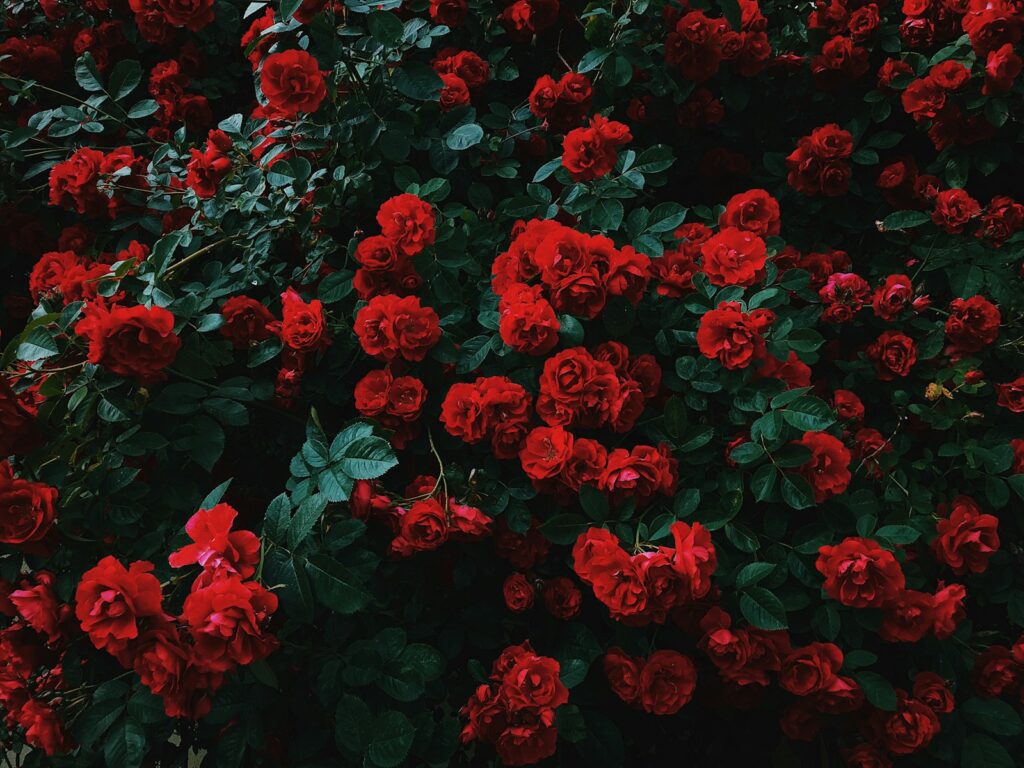
A bigger garden sounds exciting—more space, more plants, more harvest. But starting out too big can zap your energy fast.
Large gardens require more time for weeding, watering, and upkeep. It’s easy to get overwhelmed and lose the joy of gardening.
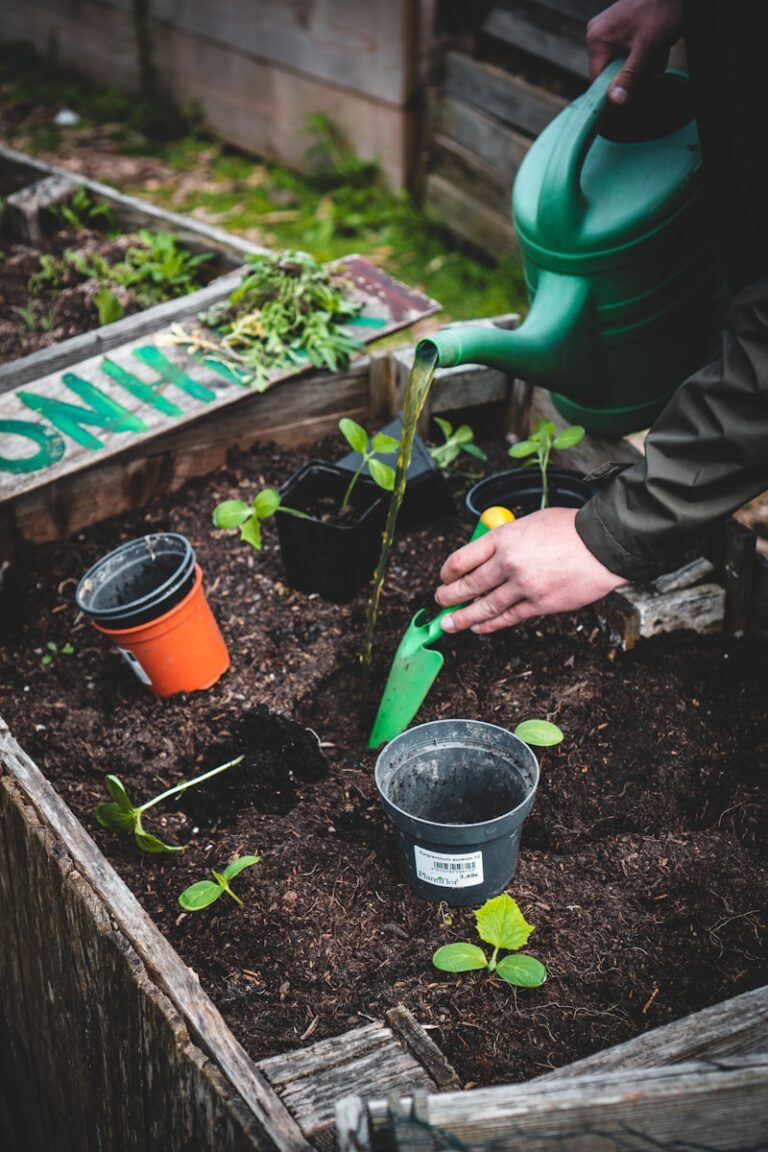
Smaller gardens let you focus on a few plants and enjoy the process. Container gardens or raised beds are great for beginners and still give you plenty of fresh produce.
As you gain experience, you can always expand. Starting small keeps things fun and manageable.
Needing to Harvest Fully Ripe Produce Only
Waiting for every veggie to be perfectly ripe might sound like a good idea. In reality, it can make things more stressful.
Some vegetables are tastier when picked a bit early. Others might spoil if you wait too long.
Learning the right time to harvest comes with experience. It’s about finding the sweet spot for each crop.
Letting go of perfect timing helps you enjoy fresh produce and keeps the process lighthearted.
Expecting Zero Pest or Disease Problems
It’s natural to hope your garden will stay problem-free. But pests and diseases are part of the gardening world.
Even the healthiest gardens have to deal with bugs or plant illnesses. Expecting zero issues can make small problems feel huge.
Check your plants often and look for early signs of trouble. Mulching and proper watering help keep things under control.
Accepting that challenges will come makes setbacks less discouraging. You’ll find solutions and keep enjoying your garden.
Wanting Constantly Blooming Flowers
Wouldn’t it be nice if your garden was always full of color? Many people want nonstop blooms, but that’s not how plants work.
Flowers have their own seasons. Some bloom for weeks, others for just a few days.
When blooms fade, it’s not a failure—it’s just nature’s rhythm. Plants need time to rest and recover.
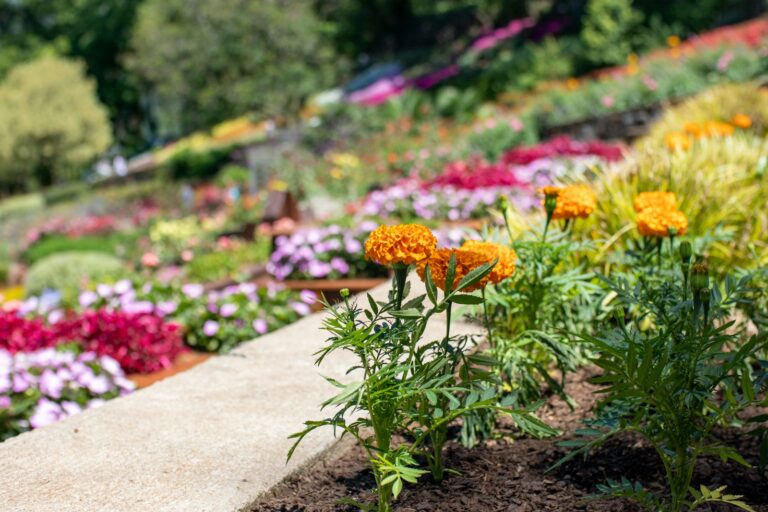
Choose a mix of plants that flower at different times. You’ll have color throughout the year without feeling pressured to do more.
Believing You Should Garden Without Breaks
It’s easy to think that more effort means better results. But nonstop gardening can wear you out quickly.
Taking breaks helps you recharge and come back with fresh energy. Even short rests make a difference.
Plants grow on their own schedule. There’s no need to rush or overwork yourself.
Slowing down helps you notice the little things and keeps gardening enjoyable.
Expecting Every Plant to Thrive Equally
It’s disappointing when some plants flourish and others struggle. Every plant is unique, with its own needs and quirks.
Soil, sunlight, and water all play a part. Treating every plant the same rarely works out well.
Understanding these differences helps you care for each one better. You’ll celebrate the wins and learn from the challenges.
Letting go of the idea that every plant will be perfect makes gardening more rewarding.
Thinking Over-Pruning Is Helpful
Cutting back your plants can feel productive, but over-pruning does more harm than good. Removing too much at once stresses your plants.
Plants need leaves and branches to make food and grow strong. Too much pruning can slow them down or cause disease.
Small, careful cuts are best. Sharp tools and clean cuts help your plants stay healthy.
Pruning should help, not hurt. Less is often more when it comes to trimming.
Why High Expectations Hinder Gardening Joy
Setting the bar too high can turn gardening into a source of stress. When you expect perfection, small setbacks feel like big failures.
Focusing on progress, not perfection, makes gardening more enjoyable. Celebrate the little wins and let go of comparison.
Try setting simple, realistic goals. Plant what you can care for and try new things one step at a time.
Your garden is a journey, not a contest. Enjoy what makes your space unique.
Looking at other gardens for inspiration is fine, but don’t let it steal your joy. Everyone’s garden is different, and every gardener faces their own challenges.
Keep your attention on what you love about your space. That’s where the real satisfaction comes from.
Reframing Gardening Goals for Long-Term Fulfillment
Staying excited about gardening often means changing how you approach it. Working with nature’s pace and your own energy keeps motivation high.
Gardening isn’t the same every month. Some seasons are busy, others are quiet.
Think of each season as a new chapter. Spring and summer are for planting and harvesting, while fall and winter are for rest and planning.
A simple seasonal calendar can help you stay on track without feeling overwhelmed.
| Season | Key Focus | Example Tasks |
|---|---|---|
| Spring | Planting and planning | Start seeds indoors, soil prep |
| Summer | Maintaining and harvesting | Watering, picking ripe crops |
| Fall | Clearing and composting | Clean beds, collect leaves |
| Winter | Rest and research | Plan next year’s crops, read books |
Enjoy your garden’s changing rhythm, and let yourself grow along with it.
Building a Growth Mindset
Everyone has days when the garden feels like more work than fun. Facing mistakes and challenges is just part of the process.
If you start viewing problems as chances to learn, gardening becomes less stressful and more interesting. When a plant doesn’t grow, ask yourself what you might try differently next time.
Maybe the soil needs a change or the watering schedule could use some tweaking. Each setback is a new puzzle to solve.
Celebrate the little victories along the way. Noticing a new sprout or a healthy leaf is a reason to feel proud.
Try keeping a simple garden journal. Jot down what worked and what you’d like to improve for next time.
Patience and curiosity go a long way. Each season brings something new to discover.