Revitalize Your Yard: 10 Essential Removals by Professional Gardeners
Revamping a tired garden or yard can feel overwhelming, especially for novice and intermediate gardeners. Professional gardeners have honed their skills over the years, and one of their first steps in revitalizing any space is to remove specific elements that hinder growth and beauty. Here are ten common things professional gardeners remove first when breathing new life into a yard, along with tips on how to handle each task effectively.
1. Weeds
Weeds are the nemeses of any garden. They compete with your plants for nutrients and water, and some can even harbor pests and diseases. Start by pulling out weeds by hand or using a hoe to remove them from the roots. It’s best to tackle this job after a rain when the soil is moist, making it easier to pull them out completely. Don’t forget to regularly check for new growth to keep your garden weed-free.
2. Dead Plants and Debris
Dead plants, fallen leaves, and other debris can harbor pests and diseases. It’s essential to clean your garden thoroughly, removing any dead or dying vegetation. This not only tidies up the space but also provides a healthier environment for your thriving plants. Compost any healthy plant material, but dispose of diseased plants properly to prevent spreading pathogens.
3. Overgrown Shrubs
Shrubs that have outgrown their space can block sunlight and air circulation for other plants. When removing overgrown shrubs, consider trimming them back first to see if they can be rejuvenated. If they’re beyond saving, dig them out carefully, making sure to remove the entire root system to prevent regrowth. Early spring or late fall is the best time for this task, as it minimizes disruption to the surrounding garden.
4. Unwanted Trees or Suckers
Sometimes, a tree can take over an area, casting too much shade or competing with other plants. If you have unwanted trees or suckers sprouting from the base of established trees, they can be pruned or removed. Cut suckers at the base and consider hiring a professional for larger trees to ensure safety and proper technique.
5. Large Rocks and Debris
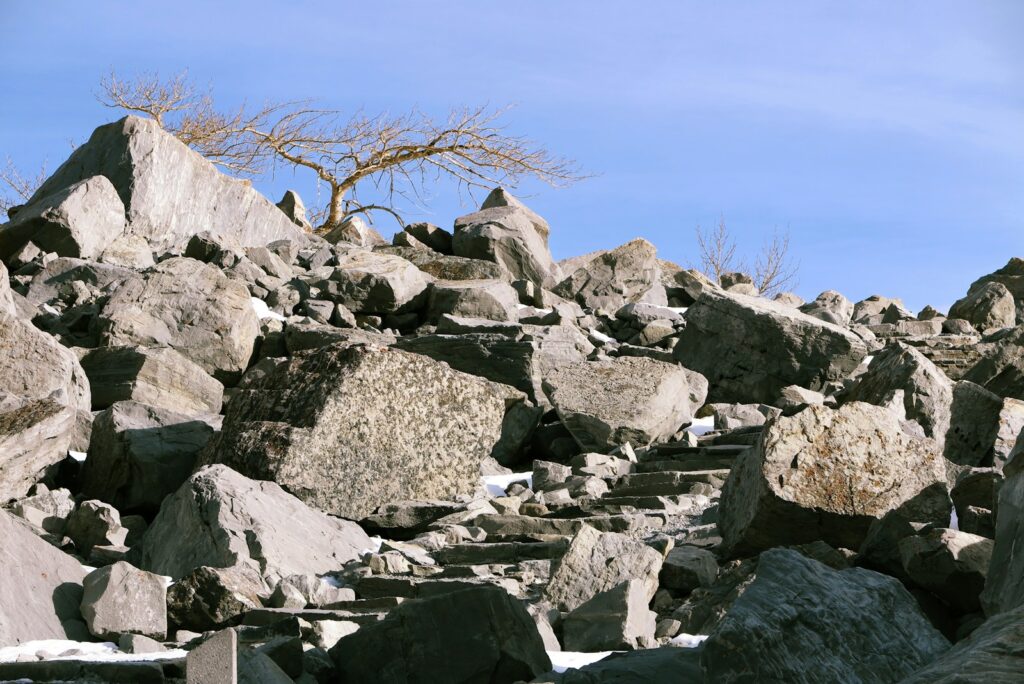
Natural debris like rocks and sticks can create obstacles in your garden. Large rocks can be especially problematic as they can block drainage and make mowing difficult. If you’re tackling this task, use a shovel to lift smaller rocks, and consider enlisting help for larger stones. Reuse them creatively in landscaping designs or pathways if possible.
6. Invasive Plant Species
Certain plants can be beautiful but invasive, overwhelming your garden and choking out native species. Research which plants are considered invasive in your area and remove them as soon as spotted. Be sure to dig out the roots to prevent regrowth, and check local extension services for guidance on disposal methods, as some may require special handling.
7. Lawn Thatch
A thick layer of thatch—a mix of dead grass, roots, and debris—can suffocate your lawn. If your lawn feels spongy underfoot or has poor drainage, it’s time to dethatch. Use a dethatching rake or a power dethatcher to remove the thatch layer. Spring and early fall are the best times for dethatching, as it allows the grass to recover quickly.
8. Poor Soil Quality
Healthy plants need nutrient-rich soil. If your garden has compacted or poor soil, it may not support plant growth well. Start by testing your soil with a kit from your local garden center. If it’s lacking essential nutrients, consider removing the top layer of soil and replacing it with rich compost or organic matter. This not only improves drainage but also provides a healthy growing environment.
9. Old Mulch
Mulch is essential for retaining moisture and suppressing weeds, but over time, it can break down and become ineffective. Remove old, decomposed mulch and replace it with a fresh layer of organic mulch, such as bark or straw. This will rejuvenate your garden bed and help maintain consistent moisture levels.
10. Garden Artifacts
Old garden decor, tools, and furniture can accumulate and make your space feel cluttered. While some items can add charm, too many can detract from the garden’s natural beauty. Take an inventory of what you have and consider donating or repurposing items that no longer serve a purpose. Keep only the pieces that enhance your garden’s aesthetic.
Reviving your yard doesn’t have to be a daunting task. By focusing on these ten essential removals, you can set the stage for a flourishing garden. Remember, the goal is to create a space that promotes healthy growth and reflects your personal style. Start with these steps, and you’ll be well on your way to a revitalized outdoor oasis. Happy gardening!