9 Surprisingly Tricky Plants That Can Drive Gardeners to Distraction

Gardening is often seen as a peaceful and rewarding hobby, but even the most seemingly low-maintenance plants can sometimes lead to unexpected headaches. If you’re a North American gardener looking for easy-care options, you might be surprised by the trouble some popular plants can cause. Here are nine plants that may appear low-maintenance but can become sources of frustration for even experienced green thumbs.
1. Lavender
Lavender is beloved for its fragrant blooms and ability to attract pollinators. However, it can be finicky about its growing conditions. This Mediterranean native thrives in well-drained soil and full sun, but it can quickly succumb to root rot if overwatered. Many gardeners mistakenly plant it in heavy, clayey soils, leading to disappointment. To keep lavender healthy, plant it in sandy, alkaline soil and ensure it gets plenty of sunlight—at least six hours a day.
2. Peonies
Peonies are stunning perennials known for their large, lush flowers. However, they can be a bit tricky to establish. New gardeners often plant them too deep, which can prevent blooming. Peonies require a specific planting depth of about one to two inches below the soil surface. Additionally, they can be slow to establish, sometimes taking several years to bloom after planting. Be patient, and remember to provide adequate support as they grow, as their heavy blooms can cause stems to flop.
3. Boxwood
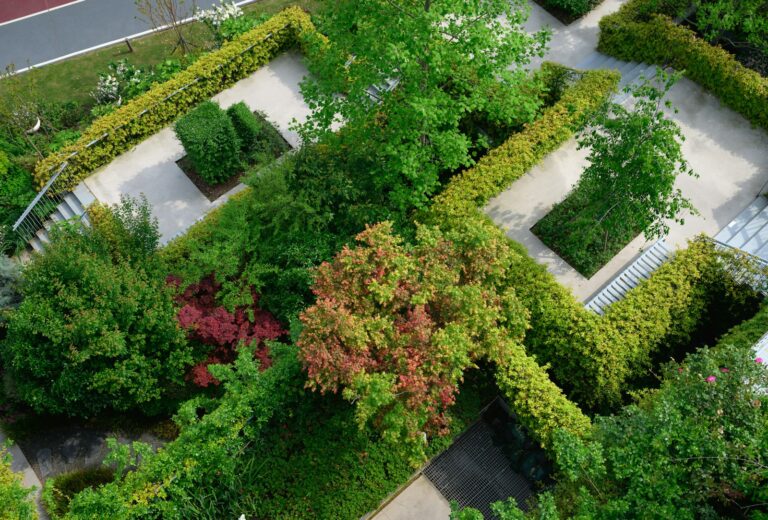
Boxwood shrubs are often chosen for their versatility and ability to create neat hedges. Yet, they are notorious for being susceptible to pests like boxwood blight and spider mites, leading to unsightly browning and defoliation. Proper watering and air circulation are essential to prevent these issues. Avoid overhead watering, and instead, water at the base to keep the foliage dry. Regular pruning can also help maintain their shape and health.
4. Hydrangeas
While hydrangeas are adored for their vibrant blooms, they can be frustrating for gardeners who struggle to understand their varying water and sunlight requirements. Some varieties prefer full sun, while others thrive in partial shade. Additionally, changes in soil pH can dramatically affect flower color, which can be delightful but also confusing. To minimize frustration, research the specific variety you are planting and give it the right conditions. Regular pruning can also help manage their size and encourage healthy blooms.
5. Ornamental Grasses

Ornamental grasses can add texture and movement to your garden, but some varieties can become invasive if not managed properly. Miscanthus and bamboo species are known for spreading aggressively, crowding out other plants. To prevent this, consider planting them in containers or using root barriers in the ground. Additionally, many ornamental grasses require annual pruning in early spring before new growth begins, which can be a chore for some gardeners.
6. Roses
Roses are iconic garden plants loved for their beauty and fragrance. However, they are often high-maintenance due to their susceptibility to diseases like black spot and powdery mildew. Additionally, they require regular pruning and deadheading to encourage blooming. For novice gardeners, choosing disease-resistant varieties and giving them proper air circulation, sunlight, and water can reduce frustration. Don’t forget that roses also thrive on a regular feeding schedule, so consider using a balanced fertilizer in the spring.
7. Fiddle Leaf Fig
This trendy houseplant has captured the hearts of many indoor gardeners with its large, waxy leaves. However, the fiddle leaf fig can be quite picky about its environment. It requires bright, indirect light and can drop leaves if moved to a darker spot or overwatered. It’s crucial to allow the top inch of soil to dry out between waterings. Many people also struggle with dust accumulation on the leaves, which can hinder its ability to photosynthesize. Regularly wiping the leaves can help keep this plant healthy.
8. Zinnias
Zinnias are cheerful annuals that bloom profusely, making them a favorite for many gardeners. However, they can attract pests like aphids and spider mites, leading to unsightly foliage. Additionally, they thrive best in well-drained soil with plenty of sunlight, so planting them in too much shade can result in leggy growth. To keep zinnias healthy, plant them in a sunny spot, ensure good air circulation, and watch for pests. Deadheading spent blooms can also encourage more flowers throughout the season.
9. Tomatoes
Tomatoes are a staple in many home gardens, but they can be surprisingly demanding. From pest issues like aphids and hornworms to diseases like blight, tomatoes require vigilance. Many new gardeners fail to provide adequate support, leading to sprawling and broken plants. To grow tomatoes successfully, choose a sunny spot with well-draining soil, and consider using cages or stakes for support. Regular watering is crucial, especially during dry spells, but be cautious of overwatering, which can cause root rot.
Final Thoughts
While these plants can add beauty and diversity to your garden, they also come with their own set of challenges. By understanding their specific needs and potential pitfalls, you can set yourself up for success and avoid the common frustrations that come with these seemingly low-maintenance options. Remember, every gardener faces challenges—so don’t be discouraged! Embrace the learning process, and you’ll be one step closer to a flourishing garden.