Embracing Simplicity: 9 Backyard Trends Making Way for Effortless Designs

As the gardening world evolves, many backyard trends that once dominated our outdoor spaces are being replaced by simpler, more manageable designs. Homeowners are increasingly seeking serenity and functionality in their gardens, reflecting a desire to connect with nature without the burden of excessive maintenance. If you’re a home gardener looking to refresh your outdoor space, here are nine trends that are being phased out in favor of more straightforward, yet stunning, options.
Naturalistic Landscapes
One of the most significant shifts in backyard design is the move away from rigid, formal landscaping toward more naturalistic settings. Homeowners are opting for native plants that thrive in their local climates, reducing the need for constant care and irrigation. This trend not only supports local ecosystems but also creates a more relaxed atmosphere in your garden.
To embrace this trend, consider incorporating native perennials, grasses, and shrubs. These plants are well-adapted to your region and require less water and maintenance. Check with your local extension service for a list of native species that thrive in your USDA zone.
Low-Maintenance Hardscaping
In the past, elaborate stone pathways and intricate patios were popular choices for outdoor spaces. However, many homeowners are now favoring simpler, low-maintenance hardscaping options. Materials like gravel or decomposed granite provide a clean, natural look while requiring minimal upkeep.
If you’re looking to redesign your hardscaping, aim for wide, sweeping paths that allow for easy navigation and create a more open feel. Consider using permeable materials to help with drainage, and incorporate seating areas that invite relaxation without the need for elaborate structures.
Edible Gardens Take Center Stage
Another trend shifting the focus from ornamental to functional is the rise of edible gardens. Homeowners are increasingly interested in growing their own fruits, vegetables, and herbs, reducing grocery bills and enhancing their connection to food. This trend has been accelerated by the growing interest in sustainability and healthy eating.
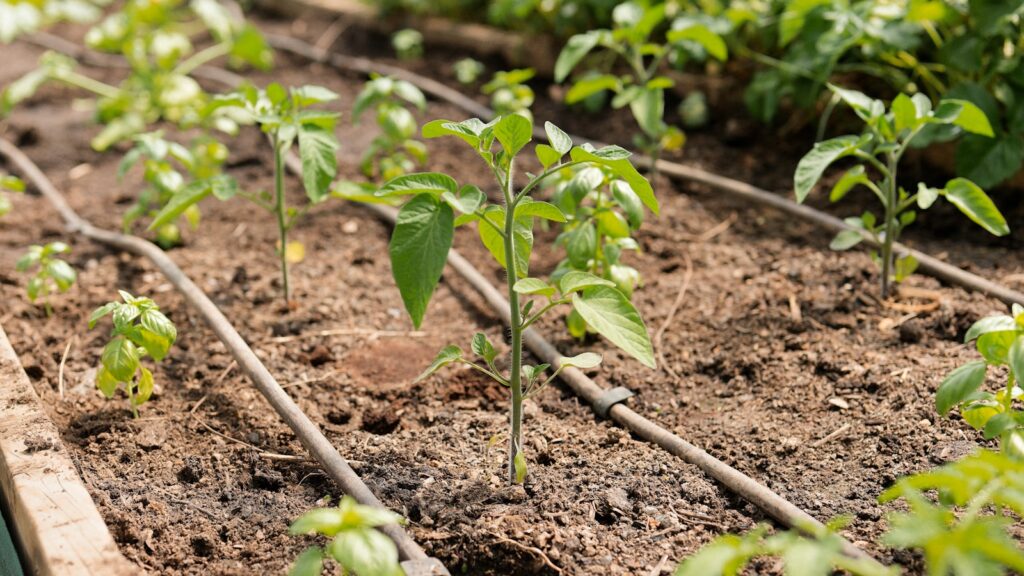
To create your own edible garden, start with a small plot or raised bed. Choose easy-to-grow vegetables like tomatoes, lettuce, and peppers, and consider adding a few herbs such as basil and rosemary. Companion planting can also help maximize space and yield. Remember to plan your garden layout according to the season; for instance, cool-season crops can be planted in early spring or late summer, while warm-season crops thrive after the last frost.
Simplified Planting Schemes
Gone are the days of overcrowded flower beds filled with a hodgepodge of plants. Today’s gardens are embracing simplified planting schemes, focusing on fewer species that complement each other beautifully. This approach not only simplifies maintenance but also creates a more cohesive and aesthetically pleasing design.
When planning your planting scheme, select a few key plants to serve as focal points. Mix in complementary varieties for texture and color, but avoid the temptation to overplant. Grouping plants with similar water and sunlight requirements will also make care easier.
Sustainable Practices
Sustainability is no longer just a trend; it’s become a guiding principle for many gardeners. As homeowners look to reduce their environmental impact, practices such as composting, rainwater harvesting, and organic gardening are becoming increasingly popular. These methods not only benefit the planet but also lead to healthier gardens.
To get started with sustainable gardening, consider setting up a compost bin for kitchen scraps and yard waste. This will enrich your soil over time and reduce the need for chemical fertilizers. Installing a rain barrel can help you capture and store rainwater for irrigation, making your garden more resilient during dry spells.
Outdoor Living Spaces
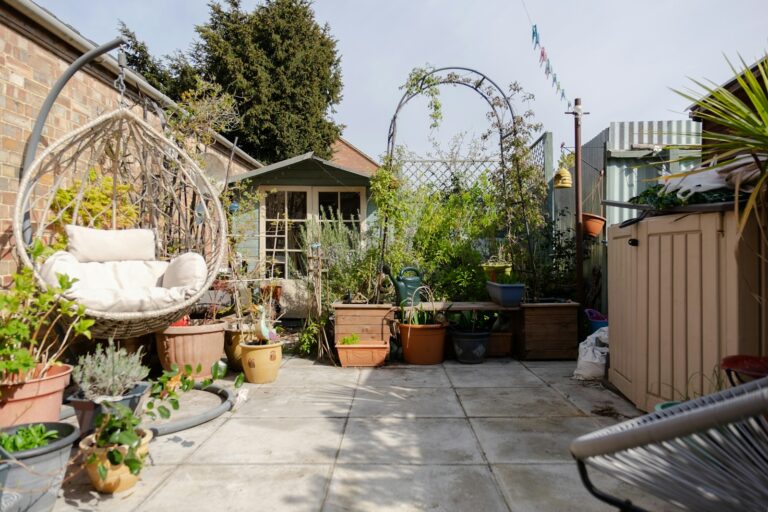
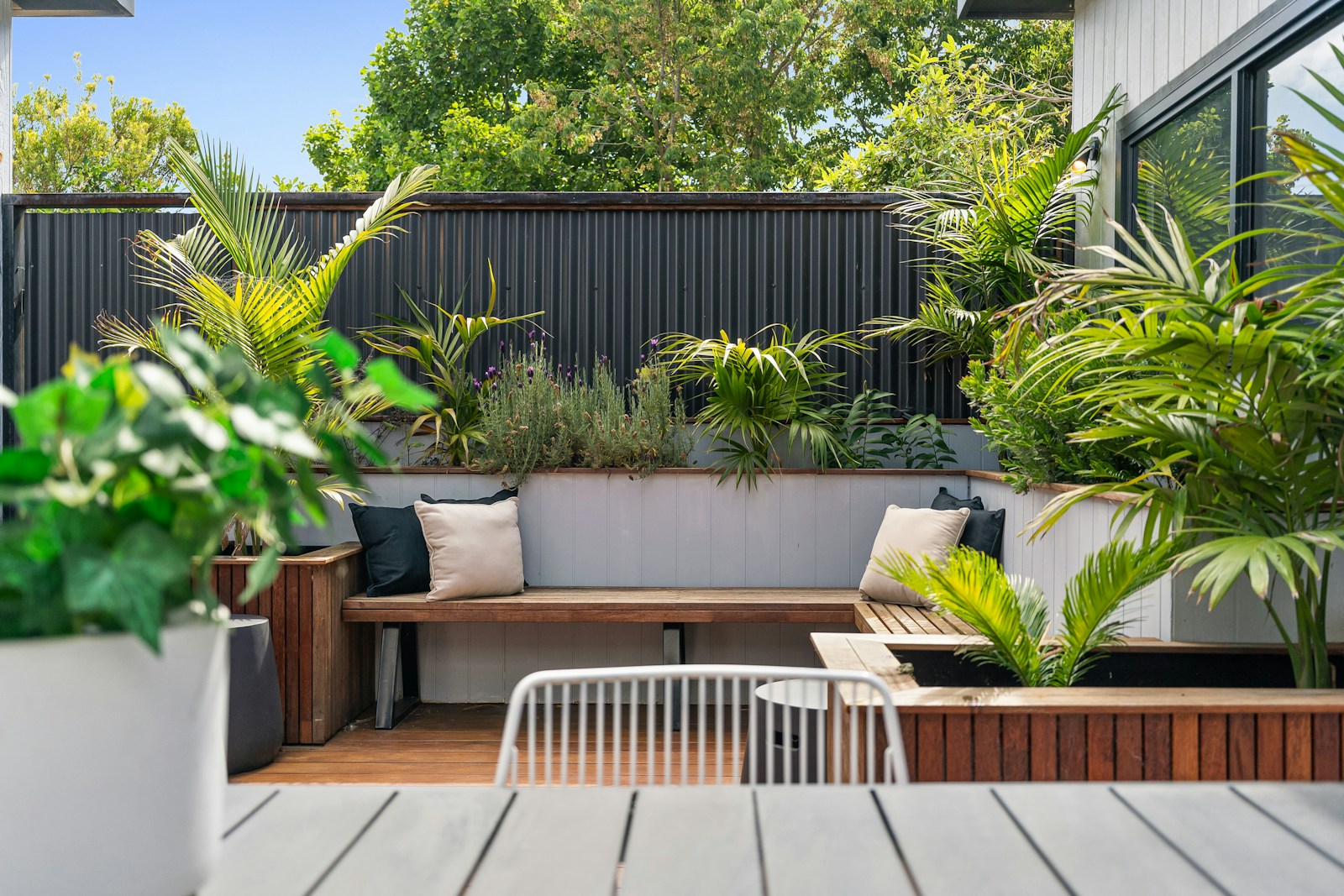
While elaborate outdoor kitchens and extensive entertainment areas are still appealing, there’s a trend toward simpler, more inviting outdoor living spaces. Homeowners are creating comfortable areas for relaxation and connection with family and friends, featuring simple furniture, cozy fire pits, and natural decor.
To create an inviting outdoor living area, focus on comfort and functionality. Choose durable, weather-resistant furniture that encourages lounging. Incorporate soft lighting, such as string lights or lanterns, to enhance the ambiance. A small fire pit can serve as a focal point while providing warmth and a gathering spot for evenings outdoors.
Vertical Gardening Solutions
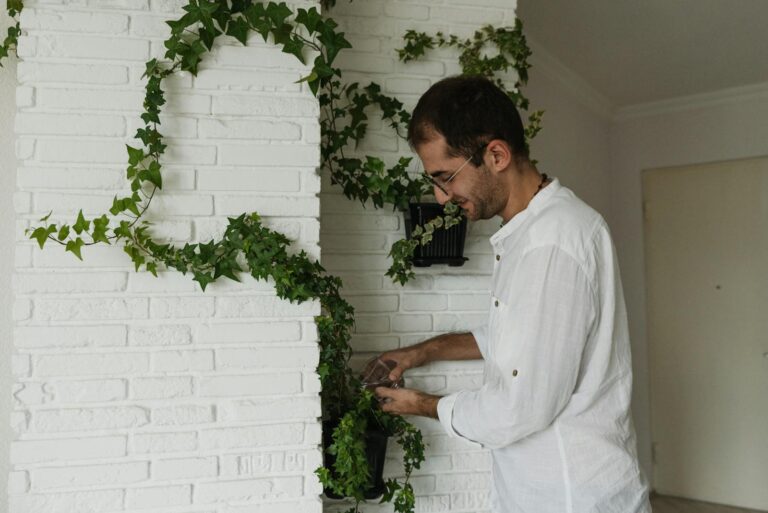
With urban gardening on the rise, vertical gardening solutions are gaining popularity as a way to maximize space and simplify garden care. These systems allow homeowners to grow plants upward rather than outward, making them ideal for small backyards or patios.
You can create a vertical garden using wall-mounted planters, trellises, or even repurposed pallets. This method not only saves space but also makes it easier to maintain your plants. Opt for fast-growing and low-maintenance varieties like climbing beans, peas, or strawberries to get started.
Wildlife-Friendly Gardens
As more people become aware of the importance of biodiversity, wildlife-friendly gardens are becoming a sought-after trend. Homeowners are designing their outdoor spaces to attract pollinators, birds, and other beneficial creatures. This shift promotes a healthier ecosystem while adding interest to your garden.
To make your garden more wildlife-friendly, include a variety of plants that bloom at different times throughout the growing season. Incorporate water features, such as bird baths or small ponds, to attract a range of creatures. Avoid using pesticides and herbicides, which can harm beneficial insects and wildlife.
Personal Touches
Finally, as trends shift toward simplicity, there’s a renewed focus on personal touches within outdoor spaces. Homeowners are looking to create unique gardens that reflect their personalities and lifestyles, using handmade decor, upcycled materials, or personal collections.
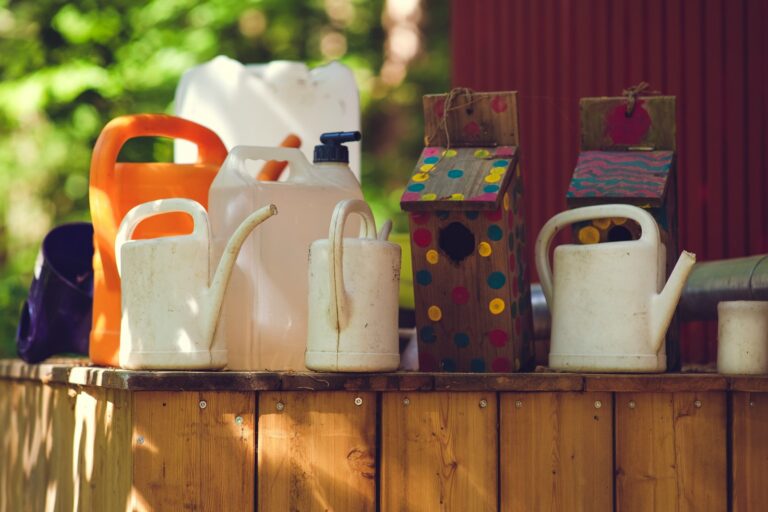
Incorporate elements that resonate with you—whether it’s a collection of vintage pots, a whimsical garden gnome, or a handmade trellis. These touches will make your space feel more like home and provide an opportunity for self-expression in your gardening journey.
By embracing these nine trends that prioritize simplicity and sustainability, you can create a backyard oasis that is both beautiful and manageable. Whether you’re a beginner or an intermediate gardener, focusing on ease and enjoyment will transform your outdoor space into a personal retreat for relaxation and connection with nature.