11 Surprising Truths About Perennials That Garden Centers Don’t Tell You

When it comes to gardening, perennials are often celebrated for their ability to return year after year, providing a reliable burst of color and texture to your garden. However, there are some essential facts about perennials that garden centers might not highlight. Here’s what every home gardener—whether you’re a beginner or more experienced—should know about these hardy plants.
Understanding Perennial Lifecycles
Perennials are often touted as low-maintenance plants, but that can be misleading. While they don’t need to be replanted every year, they do have specific lifecycles that can affect your garden’s appearance. Some perennials bloom in the spring, while others may not flower until summer or fall. Understanding the bloom times of different perennials will help you create a garden that has continuous interest throughout the growing season.
Additionally, not all perennials will look their best every year. Some may go through cycles of vigorous growth followed by a year of dormancy or decline. It’s essential to research the specific needs and habits of the perennials you choose to ensure they thrive in your garden.
The Importance of Soil Quality
While garden centers often emphasize the importance of sunlight and watering, the quality of your soil is crucial for perennial success. Healthy soil is rich in organic matter, drains well, and retains moisture. Before planting, consider conducting a soil test to determine its pH and nutrient levels. Amend your soil with compost or other organic matter to create a thriving environment for your plants.
Keep in mind that different perennials have varying soil preferences. While some might thrive in sandy loam, others prefer heavy clay or well-drained soil. Always check the specific needs of your chosen plants to set them up for success.
Spacing and Competition
One common mistake many gardeners make is not giving their perennials enough space. Garden centers may sell plants in small pots, leading you to underestimate their mature size. When planting, always refer to spacing guidelines for each perennial. Overcrowding can lead to poor air circulation, increased competition for nutrients, and, ultimately, unhealthy plants.
Plan for the future! Remember that perennials can spread over time, so consider their growth habits when designing your garden layout.
Watering Wisely
While perennials are generally drought-tolerant once established, they still require adequate moisture, especially during their first growing season. Many gardeners believe that perennials can fend for themselves after a good initial watering, but that’s not always the case.
Newly planted perennials should be watered regularly until their roots establish deeply into the soil. After that, they can often tolerate less frequent watering, but during dry spells, keep an eye on them and provide supplemental water as needed.
Beware of Invasive Species
Not all perennials are created equal. Some can become invasive, spreading rapidly and taking over your garden space. Certain varieties of daylilies, mint, and phlox can quickly outcompete other plants. Always do your research before purchasing perennials, especially if you’re planting in a native or naturalized area. Opt for non-invasive cultivars to maintain the balance of your garden.
Deadheading and Pruning
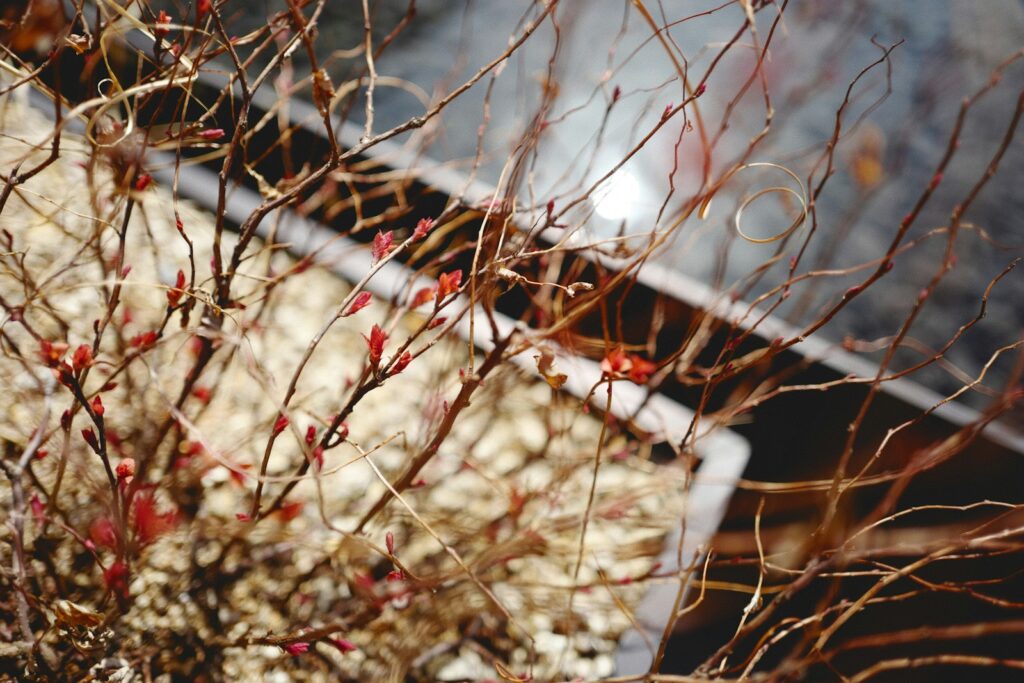
Many new gardeners are unaware of the importance of deadheading and pruning perennials. Deadheading—removing spent flowers—encourages many perennials to produce more blooms and can extend the flowering period. On the other hand, pruning back perennials in the fall or early spring can help rejuvenate tired plants and promote healthier growth.
Different perennials have different pruning needs, so it’s essential to learn the best practices for each type you grow.
Timing Your Planting
The timing of planting your perennials can significantly impact their success. In many regions, spring is the ideal time to plant perennials, allowing them to establish roots before the heat of summer. However, fall planting can also be beneficial in certain areas, allowing plants to settle in before winter dormancy.
If you’re in a colder climate, be mindful of the first frost date, as planting too late can expose young plants to harsh conditions.
Pest and Disease Management
While perennials are generally hardy, they can still be susceptible to pests and diseases. Garden centers may not always provide information on specific pests that may affect certain perennials. Keep an eye out for aphids, spider mites, and fungal diseases. Regularly inspecting your plants and maintaining good garden hygiene—such as removing dead leaves and debris—can help prevent infestations and infections.
Consider companion planting to deter pests naturally. For example, planting marigolds among your perennials can help repel certain insects.
Mulching Matters
Mulching is often overlooked, but it’s an essential practice for perennial care. Mulch helps retain soil moisture, suppress weeds, and regulate soil temperature. However, be cautious not to pile mulch too high against the stems of your perennials, as this can lead to rot. A 2- to 3-inch layer of organic mulch around your plants will provide numerous benefits.
Be Mindful of Seasonal Changes
As the seasons change, so too do the needs of your perennials. In the fall, many perennials will go dormant, and it’s important to prepare them for winter. Depending on your region, you might need to cut back certain plants or protect them with mulch or coverings. Conversely, spring brings new growth, and perennials may need a little extra care to help them wake up and thrive.
Patience is Key
Finally, one of the most crucial lessons about perennials is to be patient. Many perennials take a couple of seasons to fully establish and bloom profusely. Resist the urge to dig up and replace plants that don’t flower in their first year; give them time to settle in and flourish.
By understanding these eleven aspects of perennials, you’ll be better equipped to nurture a beautiful, thriving garden. With a little preparation and awareness, your perennial garden can become a stunning centerpiece of your outdoor space for years to come. Happy gardening!