9 Fast-Spreading Plants You Might Regret Choosing for Your Garden

Gardening is a rewarding hobby, but it can also come with unexpected challenges, particularly when it comes to choosing plants for your landscape. Some plants, while beautiful and desirable, have a tendency to spread faster than most homeowners anticipate. If you find yourself battling overzealous greenery, you’re not alone! Here’s a closer look at nine plants that tend to take over gardens and tips on managing their growth effectively.
1. Mint (Mentha spp.)
Mint is a favorite among gardeners for its fragrant leaves and culinary uses, but be cautious! This herb is notorious for spreading aggressively through underground rhizomes. Once mint establishes itself, it can quickly take over garden beds. To control its growth, consider planting mint in containers or raised beds. If you choose to plant it directly in the ground, regularly trim it back and monitor its spread.
2. Bamboo (Bambusoideae)
Bamboo is a fast-growing plant that adds a unique touch to any landscape. However, many species are invasive and can spread rapidly, often taking over large areas. Clumping varieties are less aggressive, but running types can wreak havoc if not managed. Installing a root barrier can help contain bamboo’s spread. Regularly check for new shoots and remove them to prevent further encroachment.
3. Creeping Charlie (Glechoma hederacea)
Creeping Charlie, also known as ground ivy, is a perennial that thrives in shady areas. Its low-growing nature makes it an attractive ground cover, but its ability to spread quickly can lead to a lawn overrun with this weed. To manage Creeping Charlie, maintain a healthy lawn through proper mowing, watering, and fertilization. Hand-pulling can be effective, especially in small areas, but be vigilant as it can regenerate from small root fragments.
4. Japanese Knotweed (Fallopia japonica)
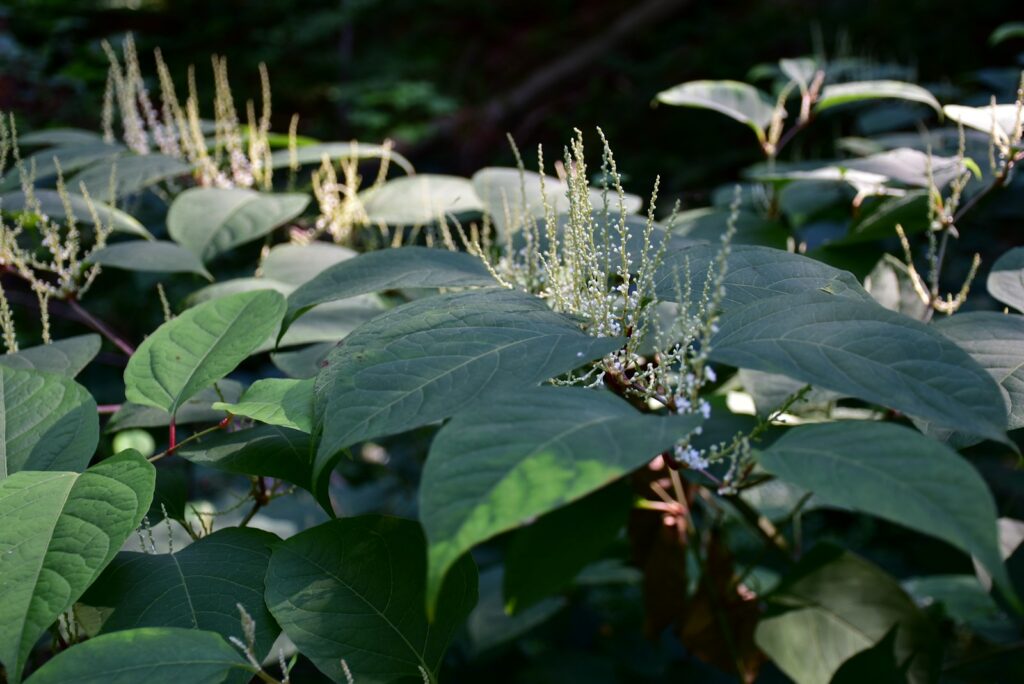
Japanese knotweed is often cited as one of the most aggressive invasive plants in North America. It can grow up to 10 feet tall and spreads rapidly, choking out native vegetation. Due to its potential to damage foundations and structures, controlling this plant can be a significant challenge. If you find it in your garden, it’s best to consult with local experts on removal methods, which often include herbicides and careful excavation.
5. English Ivy (Hedera helix)
English ivy is a classic choice for covering walls and fences, but it can quickly escape cultivation and dominate landscapes. It clings to surfaces and can smother other plants if left unchecked. To keep English ivy manageable, regularly prune it back and consider using it in contained areas. Avoid planting it in natural areas where it can outcompete native flora.
6. Periwinkle (Vinca minor)
Periwinkle, or vinca, is a charming perennial that can thrive in various conditions. However, its ability to spread via creeping stems and seeds can lead to it becoming invasive, particularly in woodland gardens. To control its growth, keep it confined to specific areas, and periodically thin out overgrown patches. Mulching can also help suppress its spread.
7. Purple Loosestrife (Lythrum salicaria)
Purple loosestrife is a beautiful wetland plant, but its rapid growth has made it a major ecological concern in North America. It can displace native plants and disrupt local ecosystems. If you have water features in your garden, be cautious about planting purple loosestrife. Instead, consider native alternatives that provide similar aesthetic appeal without the risk of invasion.
8. Daylilies (Hemerocallis spp.)
While daylilies are beloved for their vibrant blooms and hardiness, some varieties can spread aggressively through their tuberous roots. They can easily take over a flower bed if not managed properly. To control their spread, consider planting them in designated areas and dividing them every few years to keep their growth in check.
9. Wild Garlic (Allium vineale)
Wild garlic is often mistaken for regular garlic but can be much more invasive. It spreads through bulbs and seeds, creating dense patches that can be difficult to eradicate. To prevent wild garlic from taking over, promptly remove flower heads before they seed, and consider using mulch to limit its growth.
Tips for Managing Fast-Spreading Plants
Regular Maintenance: Regularly inspect your garden for any signs of invasive plants. Early intervention is crucial to prevent them from spreading too far.
Use Barriers: Installing physical barriers like root barriers can be an effective strategy for controlling aggressive plants, especially for species like bamboo.
Educate Yourself: Familiarize yourself with the plants in your garden and their growth habits. Understanding their needs will help you keep them in check.
Consider Native Alternatives: Where possible, opt for native plants that provide similar benefits without the invasive tendencies. Native species are often better adapted to local conditions and support local wildlife.
Choosing plants for your garden should be a rewarding experience, but it’s essential to be aware of the potential for aggressive growth. By understanding which plants have a reputation for spreading faster than expected, you can make more informed choices and enjoy a flourishing garden without the headache of overgrowth. Happy gardening!