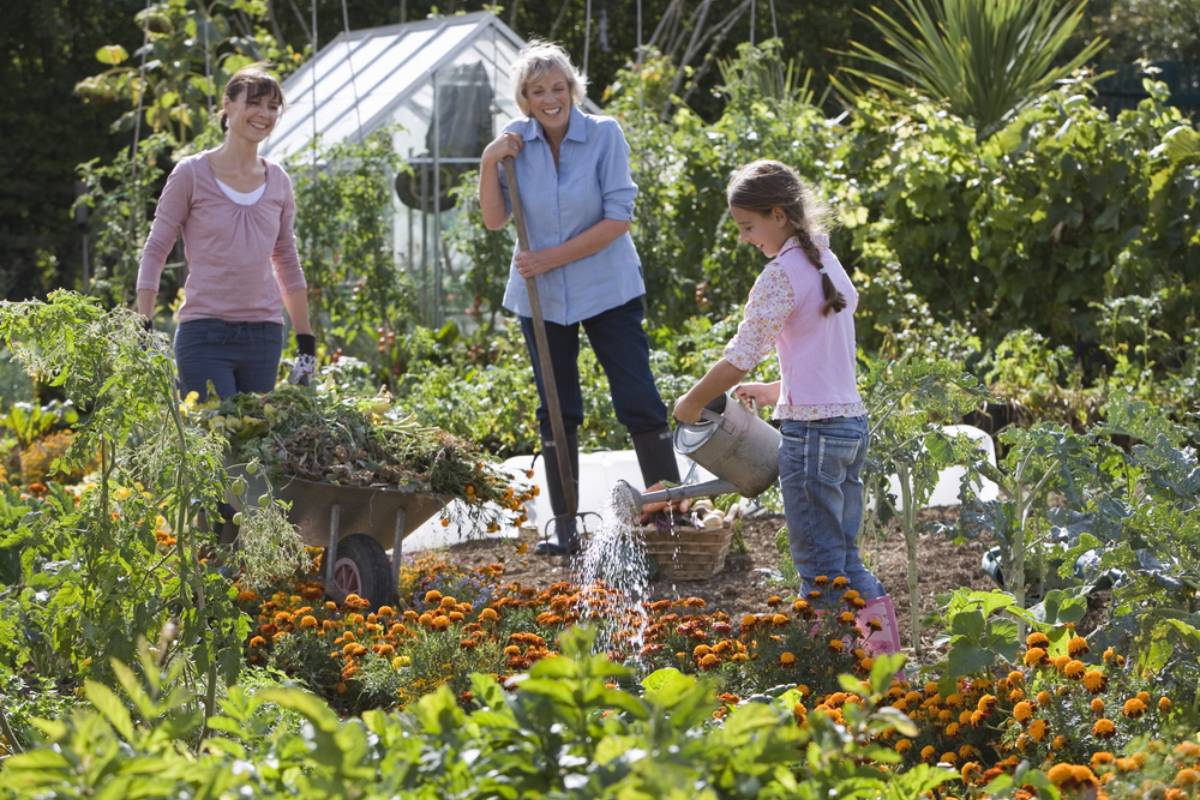
A Family Says Their Private Garden Became the Neighborhood’s Favorite Escape, Until Entitled Visitors Started Treating the Property Like a Public Park
A person shared his story about a frustrating situation involving his in-laws’ private property, which had apparently become an irresistible destination for people who wanted somewhere green to relax. What should have been a peaceful outdoor space instead turned into a headache when visitors began acting as though the land belonged to everyone. The situation raised an awkward question: when does appreciating a beautiful garden turn into feeling entitled to someone else’s property?
The Private Property That Everyone Seemed to Want
The story began with a piece of private property that offered something people clearly valued: an appealing outdoor space where they could enjoy the surroundings. Green spaces can become neighborhood treasures, especially when public parks are limited or inconvenient to reach. However, admiring someone’s garden and assuming you have permission to use it are two very different things.
The in-laws had their own reasons for keeping the property private, and those boundaries deserved to be respected. Unfortunately, the situation became increasingly uncomfortable when other people appeared to view the space as a community amenity rather than privately owned land. What should have been a simple matter of respecting ownership started looking like an unexpected neighborhood drama.
When a Beautiful Garden Becomes Everyone’s Favorite Destination
There is something about a peaceful garden that makes people want to linger, whether it is the shade of mature trees, the beauty of flowering plants, or the chance to escape a busy street. A thoughtfully maintained outdoor space can feel like a tiny sanctuary in the middle of everyday life. The trouble begins when visitors forget that somebody has invested time, money, and effort into creating it.
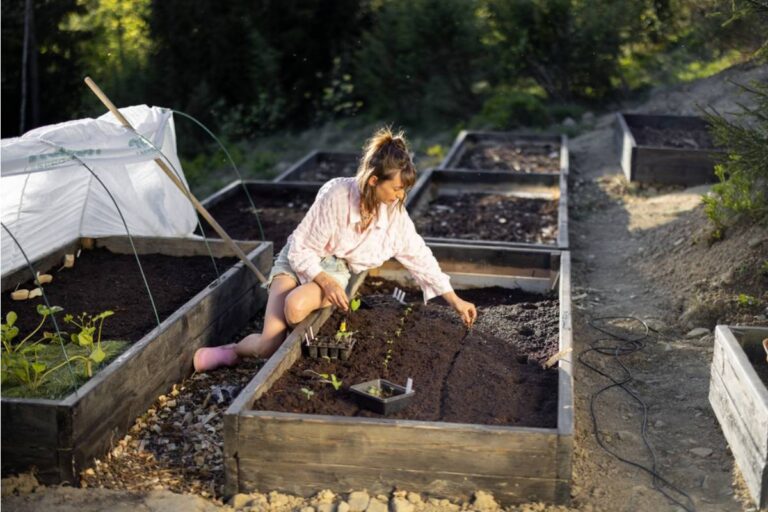
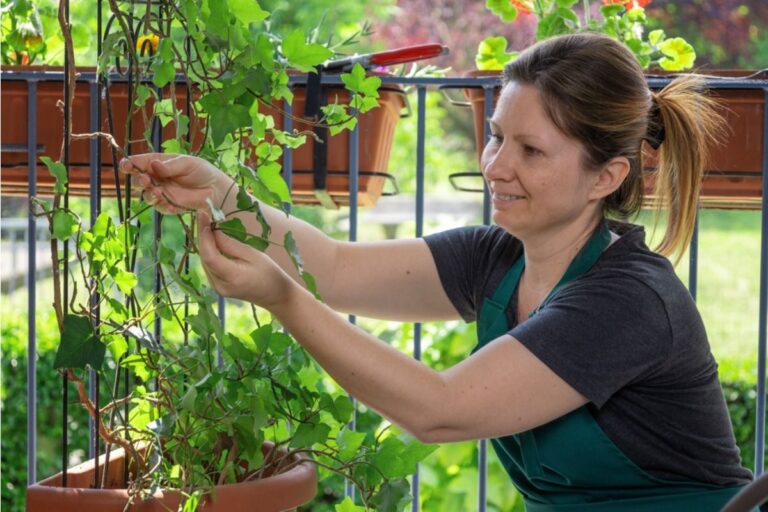
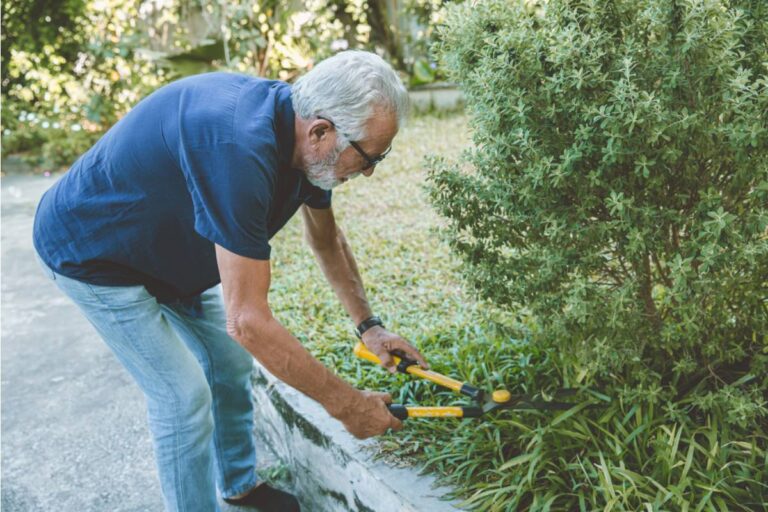
For homeowners, maintaining a garden means dealing with watering, pruning, weeds, seasonal cleanup, and countless little jobs that visitors rarely notice. A space that looks effortlessly inviting may require hours of work behind the scenes. When people enjoy the results without respecting the owner’s wishes, that appreciation can quickly become a source of frustration.
The Difference Between Public Parks and Private Gardens
Public parks are designed for shared enjoyment, with access governed by local rules and the resources needed to maintain them. Private gardens, on the other hand, belong to their owners, even when they look more inviting than the nearest public green space. A beautiful lawn, a shaded pathway, or a collection of ornamental plants does not automatically make a property open to visitors.
This distinction matters because the people maintaining private land also carry responsibility for what happens there. Damage to plants, accidents on pathways, and interference with landscaping can create problems that property owners never agreed to manage. A response from a person pointed out that allowing people to treat private land like a public park can also create serious concerns about liability and boundaries.
Why Neighbors Sometimes Feel Entitled to Green Spaces
When a neighborhood lacks convenient outdoor recreation areas, residents may become attached to whichever green space is most attractive or accessible. Over time, repeated visits can create the impression that a place is available for everyone to enjoy. Yet familiarity does not create permission, and a pattern of unauthorized visits does not change who owns the land.
The problem becomes particularly difficult when visitors convince themselves that their intentions are harmless. They might believe they are simply enjoying nature, allowing children to play, or making use of an otherwise quiet outdoor area. But even well-intentioned behavior can become disrespectful when the property owner has not agreed to share the space.
The Hidden Work Behind a Picture-Perfect Garden
A garden that looks like a miniature park rarely maintains itself. Trees need attention, flower beds require regular care, and delicate plants may need protection from careless footsteps or rough play. Even a simple stretch of lawn can demand regular mowing, watering, edging, and repairs.
Owners also have to consider the cost of tools, soil amendments, replacement plants, and seasonal maintenance. Visitors may see a pleasant place to spend an afternoon, while the people responsible for it see years of effort and an ongoing list of responsibilities. That difference in perspective can explain why an owner might be protective of a garden that others consider an ideal gathering spot.
When Enjoying the Outdoors Crosses a Line
There is nothing wrong with appreciating a well-designed garden or complimenting a homeowner on their landscaping. The line is crossed when admiration becomes an assumption that the property is available for personal use. Walking through a garden without permission or treating its lawn as a playground can undermine the owner’s ability to enjoy the space privately.
Even behavior that causes no obvious damage can leave property owners feeling that their privacy has disappeared. They may begin worrying about unexpected visitors, disturbed plants, or people entering areas they intended to keep secluded. A peaceful garden can lose much of its charm when its owners feel they must constantly monitor who is coming and going.
Why Private Green Spaces Need Clear Boundaries
Clear boundaries prevent misunderstandings before they become long-running disputes. Fences, locked gates, and visible private-property signs can help communicate that an outdoor space is not open for general use. These measures may seem unfriendly to someone who simply wants a pleasant place to sit, but they serve a practical purpose.
Owners should not have to repeatedly explain the same restrictions to people who have already been informed. Consistent boundaries also help prevent the situation from becoming a neighborhood tradition that grows harder to reverse. A garden can remain welcoming in appearance without being accessible to everyone who happens to pass by.
The Liability Problem Nobody Thinks About
A private outdoor space can present risks that are easy to overlook when visitors are focused on having fun. Uneven paths, slippery surfaces, garden tools, water features, and fragile landscaping can all create potential hazards. If someone is injured, the owner may face complicated questions about responsibility, depending on local law and the circumstances.
That is one reason the idea of turning private land into an informal public park can be troubling. Owners may have no control over how many people arrive, what activities take place, or whether visitors follow safety precautions. A response from a person highlighted the liability concerns that can arise when people insist on using property without permission.
How a Garden Can Become a Neighborhood Flashpoint
Disagreements over outdoor spaces often begin with a seemingly small assumption. One person thinks a garden is a convenient place to spend time, while the owner sees an intrusion into a space that was never offered for public use. As the disagreement continues, both sides may become increasingly convinced that the other is being unreasonable.
The situation can grow more complicated when neighbors start discussing the property among themselves. People who have never spoken to the owner may adopt the assumption that access should be allowed simply because the garden is attractive or because other visitors have used it before. What began as a question of access can eventually become a dispute over respect, privacy, and personal boundaries.
The Temptation to Turn Private Land Into a Community Park
Community parks provide valuable places for families to gather, children to play, and residents to enjoy nature. When those spaces are scarce, it is understandable that people might look for alternatives nearby. However, a private garden cannot simply become a substitute for public recreation facilities because it happens to be available or visually appealing.
Creating a legitimate community garden or shared green space usually requires permission, planning, and agreement about maintenance. Property owners need to decide whether they want to participate, while visitors must respect any conditions attached to access. Without that agreement, the idea of a shared outdoor retreat can quickly turn into an unwanted obligation for the people who own the land.
Why Owners Should Not Have to Sacrifice Their Privacy
A homeowner can appreciate nature and still want to enjoy it without an audience. Private outdoor spaces offer opportunities to garden, relax, entertain invited guests, and spend time away from the demands of public life. Those benefits become harder to enjoy when strangers treat the property as an extension of the neighborhood.
Privacy is not an unreasonable demand simply because a garden looks inviting from the outside. Owners should be able to decide whether they want visitors, when those visits should happen, and which parts of their property remain off-limits. Respecting that choice is a basic part of being a considerate neighbor.
What a Response From a Person Revealed About the Situation
A response from a person focused on the importance of making private boundaries unmistakable. The suggestion was that owners should make it clear that the property is not public, rather than allowing unauthorized use to become an accepted routine. Clear signage, secure access points, and appropriate documentation can help establish those boundaries.
Other people emphasized that attractive outdoor spaces deserve protection, particularly when they contain delicate plants or carefully maintained landscaping. A Japanese garden, for example, may include fragile bonsai trees, decorative stones, and carefully arranged features that can be damaged by rough play. A garden that looks like a playground to one visitor may represent years of work to its owner.
A Beautiful Garden Does Not Mean an Open Invitation
One of the biggest lessons from the situation is that appearance should never be mistaken for permission. A lush lawn, flowering borders, and shady trees can make private property look like a public retreat, but none of those features changes its ownership. People who want access should ask rather than assume.
The same principle applies to vegetable patches, community-style flower beds, and landscaped yards that attract attention from passersby. Homeowners can be generous with their time and space, but generosity must remain a choice rather than an expectation imposed by others. Respect begins with recognizing that someone else’s garden is not automatically yours to enjoy.
The Final Lesson for Garden Owners and Their Neighbors
The story serves as a reminder that beautiful outdoor spaces can bring people together, but only when everyone respects the rules governing their use. Gardens provide peace, beauty, and a connection to nature, yet maintaining them requires real effort from the people responsible for the land. Treating a private property as a public attraction risks turning that pleasure into a persistent source of stress.
For garden owners, the practical lesson is to establish clear boundaries and communicate them consistently. For neighbors and visitors, the lesson is even simpler: admire the flowers, appreciate the landscaping, and compliment the person who created it, but do not assume you have permission to enter. Sometimes, the kindest thing anyone can do for a beautiful garden is enjoy it from the proper side of the fence.