A Future Beekeeper Worried About Ending Up With More Honey Than His Family Could Ever Eat, Then Experienced Beekeepers Revealed They Were Trading Jars for Plants, Making Mead, and Even Paying Their Property Taxes
A person shared his story about wanting to get into beekeeping, but one surprisingly sweet concern was holding him back. He imagined himself surrounded by mason jars filled with golden honey, with nobody at home to help him eat it all. The problem was not whether his bees could produce enough, but what he would possibly do with all the extra honey.
For someone who enjoys gardening, growing food, and spending time outdoors, an overflowing honey harvest might sound like a dream come true. Yet the thought of having more honey than he could consume or sell made him hesitate before starting the hobby. What he discovered through the responses was that excess honey could open the door to several unexpected hobbies, gifts, and even a little extra income.
When a Hobby Starts Producing More Than You Can Handle
The aspiring beekeeper’s concern was easy to understand because honey production does not necessarily match household consumption. A successful season could leave someone with far more jars than their family would realistically use in everyday cooking. Without a plan for the surplus, a rewarding hobby could quickly turn into a storage problem.
However, experienced beekeepers offered a different perspective on the situation. Instead of treating extra honey as something that needed to disappear immediately, they described it as a useful product that could be enjoyed in several different ways. Suddenly, those imaginary shelves filled with jars did not look quite so intimidating.
One Beekeeper Suggested Turning the Honey Into Mead
One response from a person introduced an idea that could turn a large honey harvest into an entirely different hobby: making mead. This traditional fermented drink uses honey as a key ingredient, giving beekeepers another way to make use of their harvest. Rather than simply stacking more jars in a cupboard, someone could experiment with producing their own small batches.
Another person explained that their first batch was already fermenting and that early taste tests had been promising. They expected the finished drink to become even better after several months of aging. For someone worried about excess honey, that suggestion offered a creative project that could keep a portion of the harvest busy long after the bees had finished producing it.
The Unexpected Advice to Leave the Bottles Alone
Making mead sounded exciting, but one important detail emerged from the conversation: patience could be part of the process. A response from a person recommended giving the drink a year before opening the first bottle. That suggestion made the idea of producing homemade mead sound less like an instant solution and more like a long-term experiment.
Another person explained that tasting a batch too early had sometimes left them convinced that the drink was going to be a disaster. After allowing it more time to age, however, the results could turn out delicious. For a new beekeeper, the lesson was that extra honey might not just create another product, but also provide an excuse to develop a little patience.
Friends and Coworkers Became the Perfect Honey Recipients
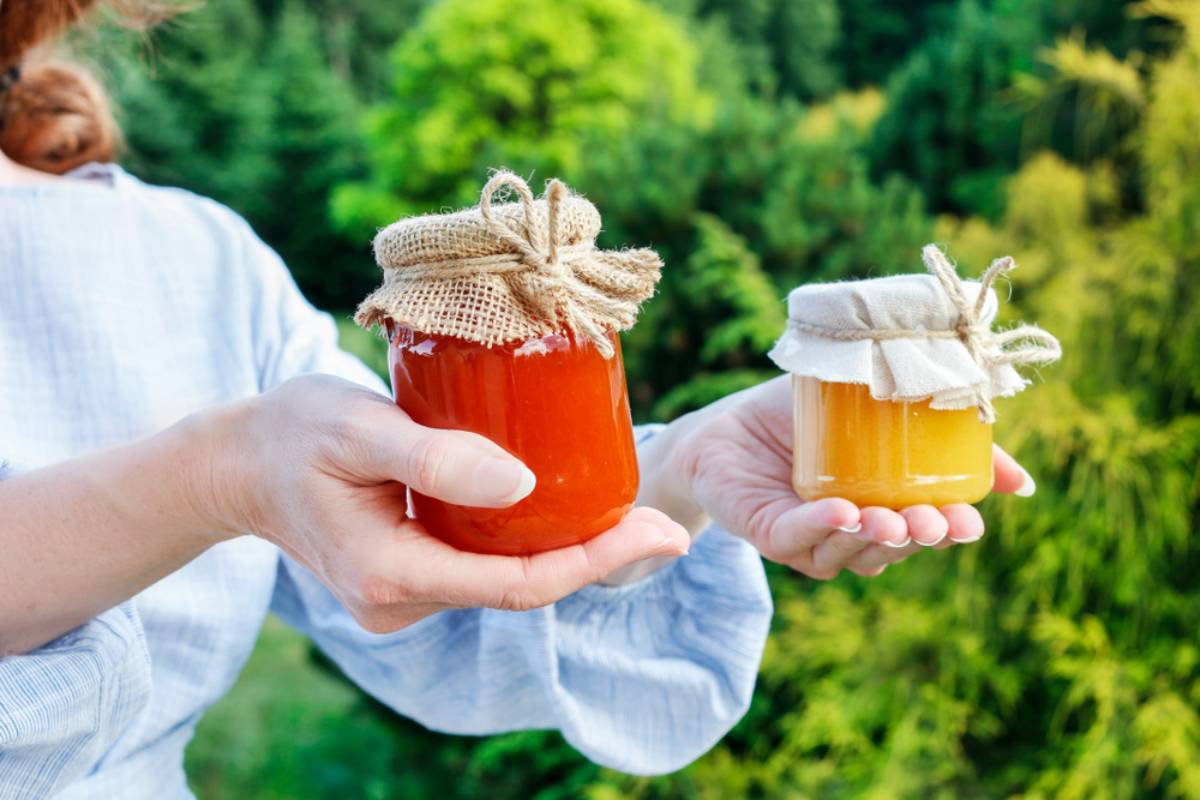
Not everyone wanted to turn their honey into another hobby. Several responses suggested a much simpler approach: share the harvest with friends, relatives, and coworkers. A jar of homemade honey can make a thoughtful gift, especially for people who appreciate locally produced food and the work that goes into keeping bees.
One person explained that they had given away a substantial amount of their honey while keeping some for themselves. Interestingly, a few recipients insisted on paying for their jars, helping cover the cost of the containers and leaving the beekeeper slightly ahead. What began as an attempt to clear out extra supplies had turned into a pleasant surprise for someone who simply wanted to share the harvest.
The Never-Ending Search for More Mason Jars
Of course, giving honey away comes with a small catch that beginners might not immediately consider. Every new batch needs suitable containers, and those jars can become a significant expense when the harvest keeps growing. One response from a person joked about the seemingly endless need for more and more jars.
The situation creates an amusing contradiction for a beekeeper. The honey itself may be plentiful, but the containers needed to store and distribute it can become a recurring cost. Planning ahead for jars, lids, and storage space could make a generous harvest much easier to manage.
Another Beekeeper Was Already Selling Honey for a Profit
Some beekeepers had discovered that surplus honey could become a modest source of income. One person explained that they charged $12 per pound, enough to cover equipment and supplies while leaving a little extra money in their pocket. They even hoped that continued success might eventually help pay their property tax bill.
Another response described selling an eight-ounce jar for $15 during that year’s harvest. These examples showed how much the price of honey can vary depending on the seller and their local market. For a beginner, the important takeaway was not to expect a guaranteed profit, but to recognize that local customers might be interested in buying a product made nearby.
A Farmers Market Could Solve the Honey Mountain
One response suggested that a beekeeper might be able to sell a substantial amount of honey at a farmers market. Such markets give local producers an opportunity to introduce their products to people who are already interested in fresh food and handmade goods. A well-presented table of honey jars could attract customers who want something different from supermarket options.
For someone planning to keep bees in a backyard or on a small property, selling locally might be more manageable than trying to find customers one by one. Still, demand, local regulations, packaging requirements, and market fees would need consideration before turning the hobby into a business. The idea offered another possible destination for surplus honey without requiring the beekeeper to consume it all personally.
Honey Has One Major Advantage Over Fresh Garden Produce
Gardeners who grow tomatoes, berries, and leafy greens know the familiar panic of having too much produce ready at once. Fresh food can spoil quickly, forcing people to cook, freeze, preserve, or give it away before it goes bad. Honey offers a different kind of flexibility because properly harvested and stored honey can remain usable for a very long time.
One response from a person pointed out that honey could be sold later if it could not all be sold immediately. That meant a beekeeper would not necessarily have to rush every jar to market as soon as the harvest ended. Good storage practices and appropriate containers would still matter, but the ability to keep honey for future use could make managing a surplus far less stressful.
The Harvest Could Become a Collection of Homemade Gifts
Honey also provides an opportunity to create thoughtful gifts for people who enjoy homemade products. A beekeeper could set aside jars for birthdays, holidays, family visits, or thank-you presents instead of purchasing something generic. Even a simple jar can feel special when it comes from bees cared for by the person giving it.
The same idea could work especially well for gardeners who already enjoy sharing flowers, seedlings, vegetables, or homemade preserves. A small gift basket containing honey and garden produce could become a personal way to celebrate the season. Rather than seeing the surplus as a burden, the beekeeper could treat it as a supply of gifts ready whenever an occasion appeared.
Honey Could Lead to Candies and Other Kitchen Experiments
For people who enjoy experimenting in the kitchen, excess honey can become an invitation to try new recipes. One response suggested making candies alongside other uses for the harvest. Honey can contribute sweetness and flavor to various recipes, giving a curious beekeeper another way to explore what their bees have produced.
This approach also offers a way to make the hobby more enjoyable for people who do not drink mead or consume much honey in its usual form. A beekeeper might experiment with small batches of sweets, baked goods, or honey-based treats for friends and family. The trick would be to choose recipes that use meaningful amounts of honey rather than creating another project that barely makes a dent in the supply.
Some Beekeepers Found a Creative Way to Trade Their Honey
Perhaps the most unexpected idea involved using honey as a bargaining tool. One response from a person explained that they had exchanged honey for various items through local marketplace transactions. The list included a picnic table that became a hive stand, a chest freezer for storing frames, plants and trees, and even pieces of furniture.
It was an unusually practical example of how a surplus could become useful without requiring a conventional sale. Instead of spending money on every piece of equipment or household item, the beekeeper could offer something they already had in abundance. The arrangement depended on finding willing trading partners, but it turned the honey harvest into something more versatile than a pantry staple.
The Bees Could Still Benefit From Careful Honey Management
Amid all the creative ideas, one important consideration remained: the bees themselves need adequate food. Harvesting should never mean taking so much honey that the colony is left without sufficient stores for its local conditions and seasonal needs. The amount a beekeeper can safely remove depends on factors such as climate, colony strength, and the availability of other food sources.
A response from a person also suggested that a beekeeper could leave some surplus honey for the bees rather than removing every available frame. That idea brought the conversation back to the responsibilities that come with keeping a colony. Producing extra honey is wonderful, but managing it responsibly means considering the needs of the insects that made it possible in the first place.
A Different Kind of Bee Hotel Could Mean Less Honey
One especially useful response offered a solution for anyone who wanted to support pollinators without dealing with a huge honey harvest. Instead of keeping honeybees, a beginner could consider providing suitable nesting habitat for mason bees. These solitary bees do not produce harvestable honey, but they can play a valuable role in pollination.
The response also highlighted the difference in time commitment, explaining that caring for mason bees can require far less annual work than maintaining honeybee colonies. For someone primarily interested in helping a garden flourish, that distinction could change the decision entirely. The goal might not need to be producing honey at all if the real attraction was encouraging pollinators to visit the flowers, fruit trees, and vegetable beds.
Building Natural Comb Could Reduce the Honey Harvest
Another suggestion involved using foundationless comb in a suitable honeybee hive setup. In this approach, bees build more of their own wax comb instead of relying entirely on manufactured foundation sheets. Producing wax requires resources, so encouraging additional comb building can affect how much honey is available for harvesting.
The person offering this advice explained that building a pound of wax could reduce the potential honey harvest by roughly seven pounds. That figure was presented as a practical estimate rather than a universal result, since actual outcomes depend on conditions and management. For a beekeeper who preferred a smaller-scale operation, allowing the bees to invest more resources in comb construction could be one way to keep the harvest more manageable while maintaining a functioning colony.
The Biggest Surprise Was That Too Much Honey Might Not Be a Problem
By the end of the discussion, the original concern looked very different. The person had worried that a successful beekeeping hobby might leave them with more honey than their household could consume, but the responses revealed a long list of possibilities. Selling jars, giving them away, making mead, trying new recipes, and trading honey for useful items could all help make use of a generous harvest.
The real twist was that the biggest challenge might not be finding a purpose for the honey at all, but deciding how much work the beekeeper wanted to take on. Someone who wanted a small, manageable hobby could focus on sharing a modest harvest, while a more ambitious person could explore sales or fermentation. And for anyone mainly interested in helping the garden thrive, supporting pollinators without producing honey might be the sweetest solution of all.