A Gardener Harvested a Mountain of Homemade Hay to Help a Friend’s Rabbits, Then a Fox Turned His Composting Plans Into an Unexpected Garden Rescue Mission
A person shared his story about ending up with an enormous supply of homemade hay after a summer of letting parts of his lawn grow wild. What started as a practical way to make use of the extra grass took an unexpected turn when the hay’s intended purpose disappeared, leaving him with sacks of dried greenery and a garden full of possibilities. Suddenly, he had to decide whether his unwanted harvest belonged in the compost pile, beneath his winter plants, or somewhere in between. And as other gardeners weighed in, the humble hay began looking less like a storage problem and more like a secret weapon for healthier soil.
A Wild Summer Lawn Produced Far More Hay Than Expected
Instead of keeping every corner of the lawn neatly trimmed, the homeowner allowed sections to grow wild throughout the summer. By the time August arrived, the grass had reached roughly knee height, creating an unexpected harvest of dried plant material. He cut it by hand with a scythe, turning an overgrown patch into a collection of useful garden leftovers.
The harvest was not just ordinary grass, either. Wild herbs and flowers, including flax, marjoram, bird’s-foot trefoil, and fennel, had grown among the taller greenery. After leaving everything to dry in the sunshine for about a week without rain, he packed the hay into jute sacks and stored it under his carport.
The Hay Had a Purpose Until an Unexpected Tragedy Changed Everything
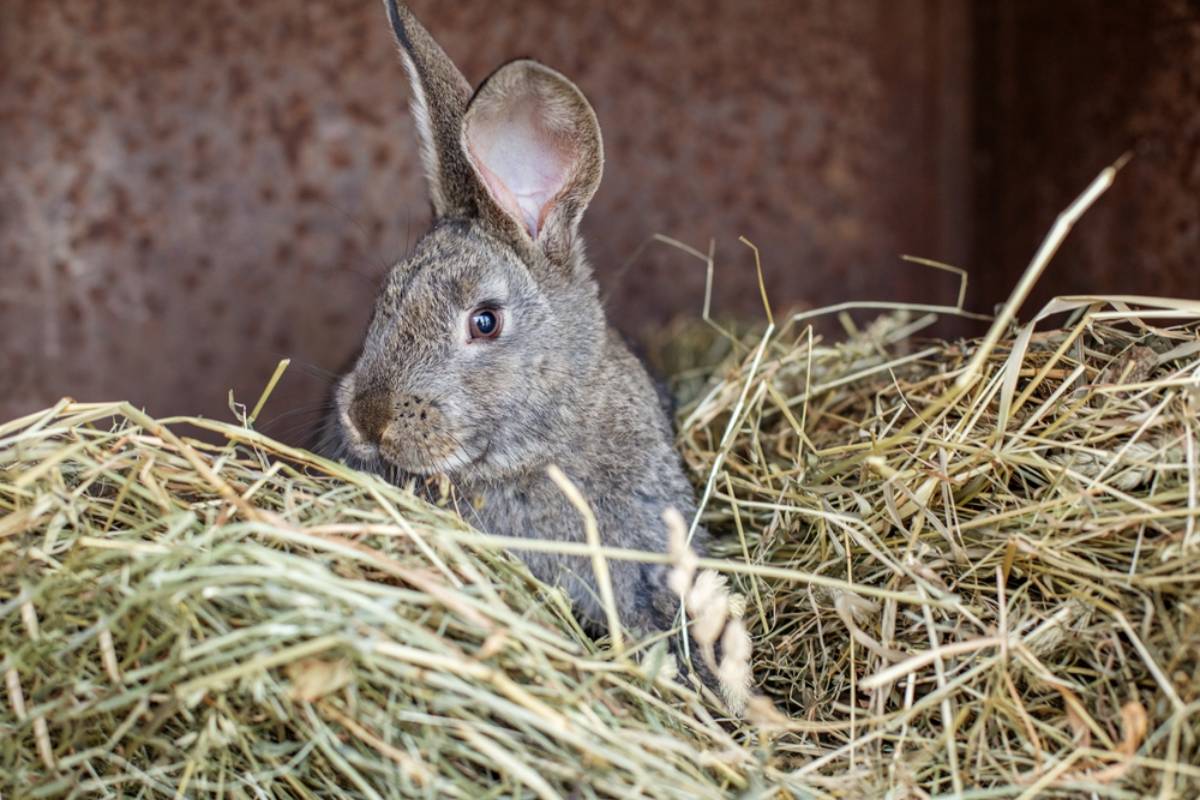
The homeowner had not collected all that grass simply to admire his impressive pile of dried vegetation. His original plan was to give the hay to a friend who kept rabbits, providing a useful destination for the summer harvest. It was a sensible arrangement that appeared to solve two problems at once.
Unfortunately, a fox got to the rabbits, and the intended recipient no longer had a use for the hay. The sudden change left the homeowner with a substantial amount of material and no obvious plan for it. What had been collected for a friendly favor was now sitting in storage, waiting for a completely different purpose.
One Garden Problem Quickly Became Three Possible Solutions
Rather than throwing the hay away, the homeowner began considering how it might benefit his garden. He wondered whether it could be added to a cold compost pile, used as winter mulch, or mixed into an existing leaf mold pile. Each option offered a way to turn an awkward surplus into something useful.
The difficulty was deciding which destination would make the most sense. Composting could eventually produce material for future planting, while mulch might help protect the soil during colder weather. Mixing the hay with fallen leaves was another possibility, but he needed to know whether the combination would actually work well.
A Response From a Person Revealed Why the Hay Was Valuable
A response from a person quickly reassured the homeowner that the hay was far from useless. The dried grass could be added to compost alongside kitchen scraps or fresh grass clippings, helping create a more balanced mixture of materials. Instead of treating the sacks as a gardening mistake, the homeowner could view them as a useful resource for building better soil.
The same response suggested using the hay as winter mulch, where it could help insulate the ground and gradually break down. Mixing some into leaf mold was also considered worthwhile, although adding too much at once could cause problems. The important lesson was that even an enormous pile of unwanted plant material could become valuable when handled properly.
The Biggest Mistake Would Be Dumping All the Hay in One Thick Layer
It might seem tempting to empty every sack into a compost heap and call the job finished. However, dried grass can compress into dense layers, especially when it becomes wet, restricting airflow and encouraging unpleasant smells. A pile that begins as a promising garden resource can become a soggy, compacted mess if its structure is ignored.
The homeowner therefore had good reason to think about how the hay would be distributed. Smaller layers mixed with other materials would help create a more workable compost pile. Sometimes the secret to successful composting is not finding more ingredients but arranging the ingredients already available in a way that allows decomposition to happen efficiently.
The Garden Already Had Another Ingredient Waiting to Join the Party
As the discussion continued, the homeowner revealed that his household was cutting a large beech hedge down from about four meters to two. That job was producing plenty of twigs and branches, adding another mountain of garden material to an already impressive collection. What looked like a never-ending cleanup project was beginning to resemble a well-stocked composting operation.
He explained that he already had a small shredder for processing suitable branches. Smaller twigs and leafy material could be handled with his existing equipment, while larger branches were being saved for other purposes. Suddenly, the hay had a potential partner in the form of woody garden waste, offering a way to combine different materials rather than dealing with each pile separately.
Woody Twigs Could Help Keep the Compost From Turning Into Sludge
A response from a person highlighted the importance of including materials that help maintain air pockets inside a compost heap. Woody twigs and shredded branches can provide structure, helping prevent softer plant material from collapsing into a dense mass. This becomes particularly useful when working with dried grass, which can mat together once moisture enters the picture.
The homeowner’s supply of hedge trimmings therefore offered more than another chore to complete. By combining suitable woody material with the hay and other compost ingredients, he could create a pile with better airflow. The trick was to balance the mixture rather than assuming that every kind of garden waste would break down equally well on its own.
His Existing Compost System Made the Hay Problem Much Easier
The homeowner was not starting from scratch when it came to composting. He already maintained a simple cold composting setup made from pallets, where grass clippings, leaves, and wood chips were layered together beneath a cardboard cover. That existing system provided a natural destination for at least part of the hay supply.
He planned to turn the pile and see how much progress the material had made before deciding whether some of it could be used as winter mulch. This approach also meant he could test the hay in manageable quantities rather than committing the entire harvest to one enormous experiment. With the right balance of materials, the leftover grass could gradually become part of the garden’s long-term soil improvement routine.
Winter Mulch Offered a Second Chance for the Unwanted Harvest
Compost was not the only option available to the homeowner. Dried grass could also be spread around suitable garden beds as a protective layer, helping reduce temperature fluctuations and slowing moisture loss from the soil. As the material gradually decomposed, it could contribute organic matter to the ground beneath it.
However, the hay would need to be applied thoughtfully rather than piled carelessly against plant stems. A thick, compacted layer can hold excessive moisture and create problems, especially during prolonged wet weather. Used in a suitable, relatively loose layer, the material could serve as temporary protection while continuing its journey toward becoming part of the soil.
The Wildflower Seeds Could Turn the Compost Pile Into a Surprise Garden
Because the hay came from a lawn that had been allowed to grow wild, it potentially contained seeds from the plants growing in that area. One response from a person raised the possibility of heating the material sufficiently during composting to reduce the chance of unwanted seeds germinating later. This was an important consideration for gardeners who wanted useful compost without accidentally introducing a fresh crop of weeds.
The homeowner, however, was not especially concerned about the possibility of seeds sprouting. He explained that he did not mind weeding and already used material from his hot compost when he needed a more suitable, seed-reduced growing medium. His relaxed attitude meant that the presence of wild plant seeds was less of a problem than it might have been for someone maintaining a carefully controlled ornamental garden.
A Hot Compost Pile Could Handle the Hay Differently
Although the homeowner already used cold composting, the conversation also raised the possibility of putting some hay into a hotter composting system. Hot composting relies on suitable moisture, airflow, and a balanced mixture of materials to support microbial activity and raise the temperature of the pile. When managed properly, the heat can help speed decomposition and reduce the viability of many weed seeds.
Still, simply adding hay does not guarantee that a pile will become hot enough. Dry material needs sufficient moisture, and the overall mixture must support active decomposition rather than remaining compacted or too dry. For the homeowner, the existing cold compost setup was a practical starting point, while any hotter pile would require its own careful management.
Even the Leaf Mold Pile Could Benefit From a Little Extra Material
The homeowner had also considered mixing the hay into his leaf mold pile, which was another way to make use of the surplus. Leaf mold is produced mainly from decomposing leaves and is valued for the way it improves soil structure and moisture retention. Adding other plant materials can change how the mixture breaks down, so moderation matters.
The hay could be incorporated in small amounts rather than forming a thick layer that prevented the leaves from settling and decomposing evenly. The best approach would depend on the condition of the existing pile and the amount of hay being added. Instead of forcing every sack into one destination, the homeowner could distribute the harvest between compost, leaf mold, and suitable mulched beds.
Another Gardener Spotted a Completely Different Use for the Hay
Just when the hay appeared destined to spend its future breaking down into garden soil, another possibility emerged. A response from a person who kept chickens explained that dried plant material could be useful as nesting-box material or bedding. The homeowner’s surplus was suddenly relevant to another kind of backyard project, even though he had originally collected it for a completely different animal.
This suggestion demonstrated how many uses garden leftovers can have beyond the compost heap. Dry, suitable plant material may be useful in appropriate animal-housing situations, provided it is clean, free from problematic contaminants, and kept dry enough to avoid mold. For someone with chickens, the hay might be worth considering as an alternative use for part of the supply.
The Unexpected Twist Was That the Hay Was Never Really Waste
At the beginning of the story, the homeowner had a large quantity of dried grass and no clear plan for using it. The loss of the original purpose left him searching for alternatives, with composting, winter mulch, and leaf mold all competing for attention. Yet the more possibilities people suggested, the more obvious it became that the hay still had plenty of value.
The real challenge was not getting rid of the material but choosing the right way to use it. Some could be layered into compost with kitchen scraps and woody material, some could help protect suitable garden beds, and some might even have another practical use. What began as a frustrating surplus had turned into an opportunity to make better use of the resources already available around the home.
A Simple Garden Cleanup Could Become Next Year’s Soil Improvement Plan
The homeowner’s story offers a useful reminder that successful gardening often begins with looking at ordinary leftovers differently. Grass, leaves, and hedge trimmings can all play a role in building healthier soil when they are managed appropriately. Rather than sending every bit of garden waste away, gardeners can often turn at least some of it into a resource for future planting.
For this homeowner, the next step was to work through the existing compost pile, make use of the hedge trimmings, and find the best destination for the stored hay. There was no need to rush everything into one enormous heap or invent an elaborate new system. With a little planning, the abandoned harvest could become a useful part of the garden’s next growing season, proving that sometimes the best gardening supplies are the ones already sitting under the carport.