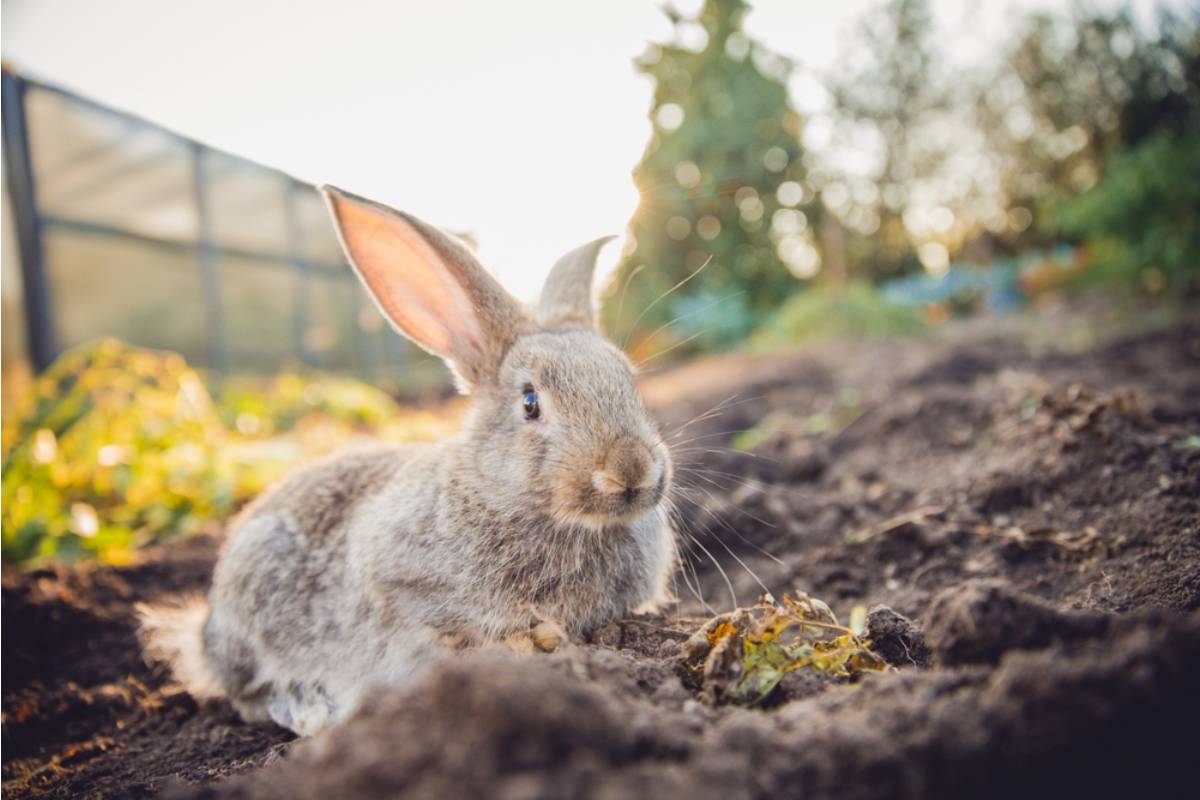
A Gardener Says Something Devoured Her Vegetable Beds From the Roots, Then One Tiny Hole Made Her Question Everything She Thought She Knew
A person shared his story about a vegetable garden that had been doing beautifully until something began eating through nearly everything in sight. The sweet peppers and tomatoes were suddenly chewed down almost to their roots, leaving behind the kind of destruction that can make a gardener question every decision they made that season. It was especially heartbreaking because the plants had already survived long enough to begin producing.
The gardener immediately suspected the usual backyard suspects. Deer and rabbits seemed like obvious possibilities, so she bought repellent and hoped the problem would disappear. For a short while, that seemed to work, and the plants began growing back as though the garden had been given another chance.
The Sweet Peppers Came Back
The recovering pepper and tomato plants started looking healthy again after the first attack. New growth appeared, and eventually some of the plants began producing vegetables. The gardener felt relieved enough to believe the worst was finally over.
That relief did not last very long. The next targets were the habanero peppers, which seemed like an especially ridiculous choice because their fiery flavor should have made them less appealing to many animals. Instead, something ate the peppers, leaves, and stalks until the plants were nearly reduced to nothing.
Even Habaneros Were Not Safe
The gardener could hardly believe what she was seeing. These were not tiny nibbles around the edges of a leaf, but devastating damage that left entire plants stripped down. Whatever was responsible seemed completely uninterested in how much effort had gone into growing them.
A response from a person explained that the heat of peppers does not affect every creature in the same way. Birds and many insects can eat peppers without experiencing the burning sensation mammals usually associate with capsaicin. Suddenly, the gardener’s most intimidating peppers looked less like weapons and more like an all-you-can-eat buffet.
Then the Squash Became Dinner
After the pepper plants were attacked, the mysterious feeder moved on to the honey nut squash and melon plants. These plants spread across the garden and had become some of the most promising crops. Watching them disappear after everything else had already been damaged felt like another punch to the stomach.
The gardener searched for clues but could not find an obvious culprit. There were a few small slugs, but nothing that looked capable of destroying entire plants so quickly. The mystery deepened because the damage seemed to move from crop to crop.
The Garden Became a Crime Scene
At this point, every visit to the garden felt like investigating a new crime. The gardener would look carefully at the beds, searching for tracks, holes, droppings, chewed leaves, or anything else that might reveal the culprit. Instead of admiring new growth, she was studying destruction patterns.
She even turned to neem oil and sprayed the vegetable beds thoroughly. It was an understandable attempt to fight whatever was eating the crops, especially when the identity of the culprit remained unknown. But without knowing whether the attacker was an insect, mammal, or something underground, it was difficult to know whether the treatment was addressing the real problem.
Someone Suggested a Fence
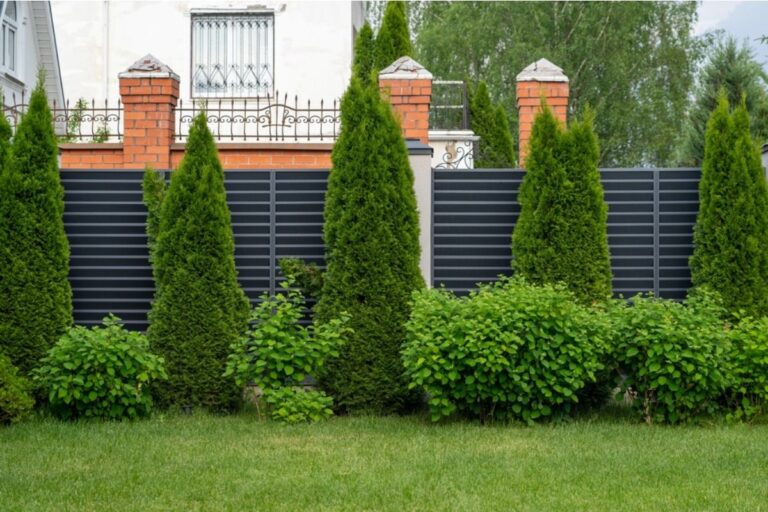
A response from a person offered a solution that sounded less mysterious but far more expensive: build a fence around the garden. The gardener admitted that she planned to construct one the following spring and rebuild the beds at the same time. The idea seemed increasingly appealing as every other defense failed.
The problem with fences, however, is that gardens can attract a surprisingly large cast of hungry visitors. Deer can jump, rabbits can squeeze through gaps, raccoons can climb, and smaller rodents can live underneath or inside protected areas. One gardener explained that even a tall fence did not stop every creature from finding a way in.
The Future Garden Started Taking Shape
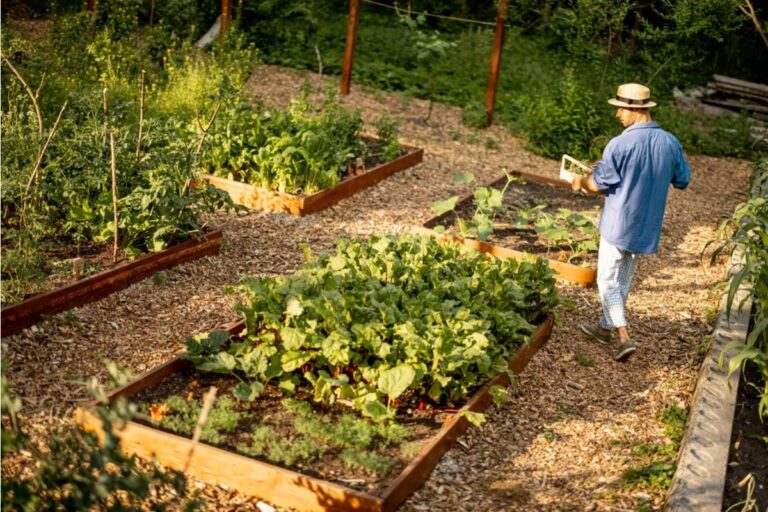
The gardener began imagining next season differently. Instead of leaving her vegetables exposed in open beds, she planned to combine fencing with raised beds and better protection. It would mean more work and expense, but at least she could stop watching months of effort disappear overnight.
The idea even began sounding enjoyable rather than purely defensive. A properly enclosed garden could become its own little retreat, with a gate, organized beds, and enough space to sit down and admire the plants. After everything that had happened, the gardener was ready to turn frustration into a fortress.
Then Somebody Mentioned Groundhogs
Another response from a person brought up groundhogs as a possible culprit. They can cause astonishing damage in a very short period, sometimes wiping out what looked like a bumper crop almost overnight. The comparison immediately gave the gardener another animal to add to her growing suspect list.
That possibility explained why the damage could appear so dramatic. A large animal feeding repeatedly in the same garden could strip young plants quickly, especially when there were no barriers. The gardener still did not know whether groundhogs were responsible, but the investigation had gained another plausible suspect.
A Tiny Hole Changed the Investigation
Then came the detail that made one possibility stand out. The gardener noticed a small hole in one of the vegetable beds. It was easy to overlook among all the damaged plants, but it suddenly seemed much more important than the missing leaves and broken stems.
A response from a person suggested that voles might be responsible. Unlike larger animals that leave obvious tracks or bite marks, underground rodents can attack plants from below and use tunnels or holes as hidden access points. The gardener immediately admitted that this explanation might fit better than she had expected.
Not Everything With Leaves Was Safe
The gardener also noticed that hostas were being devoured that same season. That widened the mystery because the damage was no longer confined to one type of vegetable. Whatever was feeding in the area seemed happy to sample ornamental plants and food crops alike.
A person pointed out that many different creatures could produce similar damage. Rabbits, deer, groundhogs, voles, squirrels, birds, beetles, and caterpillars can all leave gardeners staring at stripped plants and wondering what happened. Without seeing the culprit directly, identifying the damage from the plants alone could become surprisingly difficult.
The Habanero Mystery Got Even Stranger
One of the funniest parts of the gardener’s frustration was the disbelief surrounding the habaneros. She had spent a season growing peppers that were famously hot, only to watch something casually eat the entire plant. From a human perspective, the idea seemed almost insulting.
A response from a person explained that insects do not necessarily experience capsaicin the way mammals do. Caterpillars, beetles, and other insects can therefore attack pepper plants without being discouraged by the heat. That meant the gardener could no longer assume that a spicy crop was naturally protected.
Hornworms Entered the Suspect List
Another response suggested hornworms as a possibility. These caterpillars can strip plants surprisingly quickly, and one gardener recalled discovering a large hornworm near a severely damaged pepper plant. The gardener had been shocked to learn that pepper plants could become targets.
That possibility created a completely different picture of the destruction. Instead of imagining a deer wandering through the garden at night, she now had to consider tiny creatures hiding among the leaves. A pest small enough to escape notice could potentially turn a lush plant into a pile of bare stems before the gardener even realized it was there.
The Repellent Had Become a Red Herring
The gardener had originally believed the deer and rabbit repellent had solved the first problem because the sweet peppers and tomatoes recovered afterward. But recovery did not necessarily prove that the repellent had worked. The original attacker may simply have moved on, disappeared temporarily, or been replaced by a completely different pest.
That realization changed the entire investigation. What looked like one unstoppable enemy could actually have been several different creatures arriving one after another. The garden might not have had a single villain at all—it could have been hosting an entire rotating cast of hungry visitors.
A Camera Could Finally Reveal the Truth
A response from a person suggested setting up a camera that could record directly to a memory card. That would allow the gardener to monitor the beds continuously instead of trying to guess what happened from the damage the next morning. Even a simple nighttime recording could reveal whether the culprit had fur, wings, scales, or six legs.
The idea appealed to the gardener because every other solution had been based on assumptions. Instead of spraying another product or guessing which animal was responsible, she could finally gather evidence. One clear video might solve a mystery that dozens of damaged plants had failed to explain.
The Fence Became More Than a Barrier
By the end of the discussion, the gardener was already planning a completely different garden for next year. She wanted new raised beds, a proper fence, and stronger protection around her crops. The goal was not simply to make the garden harder to enter but to make it easier to manage and understand.
A person who had once enjoyed simply walking outside and picking vegetables was now imagining gates, barriers, and protected beds. It was not the garden she originally pictured, but it might become a much better one. Sometimes gardening teaches you to adapt in ways you never expected.
The Bench Came With the Fortress
There was one unexpectedly cheerful part of the plan. After hearing how other gardeners enjoyed their enclosed spaces, the gardener imagined placing a bench inside her future fenced garden. She joked about sitting there with a drink and enjoying the space after all the battles were finally over.
That image gave the whole story a little hope. Instead of remembering this season solely as the year something destroyed everything, she could remember it as the year she learned how to build a better garden. The fence would not just keep pests out; it would create a place where she could finally relax.
The Twist Was That the Garden Had Many Suspects
The biggest twist was that there might never have been one mysterious creature responsible for everything. The sweet peppers and tomatoes, the habaneros, the squash, melons, and hostas could have attracted different pests at different times. What looked like one unstoppable monster may have been an entire parade of garden visitors taking turns.
For the gardener, that realization changed the mission completely. She did not need to become an expert detective overnight; she needed better barriers, closer observation, and proof of what was actually feeding on the plants. Next season, the goal would be simple: fewer mysteries, healthier vegetables, and a bench inside the fence where she could finally enjoy the garden without wondering what would disappear before morning.