A Gardener Thought She Had Found a Friend in Her Neighbor After Years of Sharing Garden Beds and Cooking Together, Until a Nine-Page Letter Revealed Everything She Secretly Hated About Her
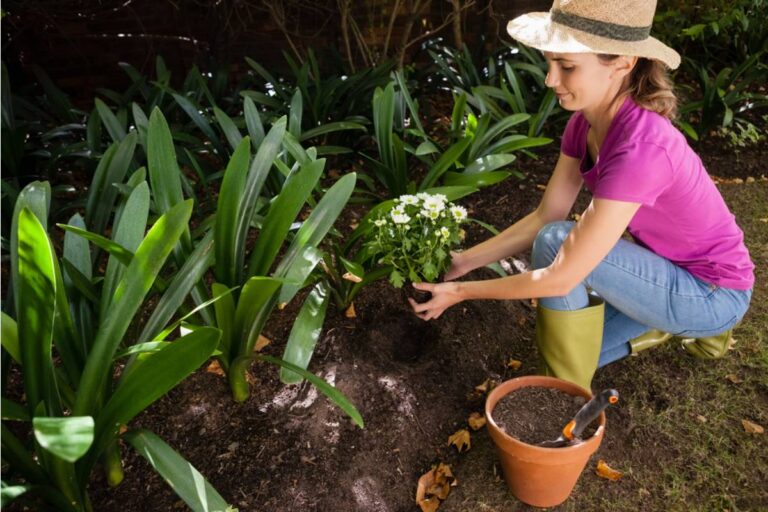
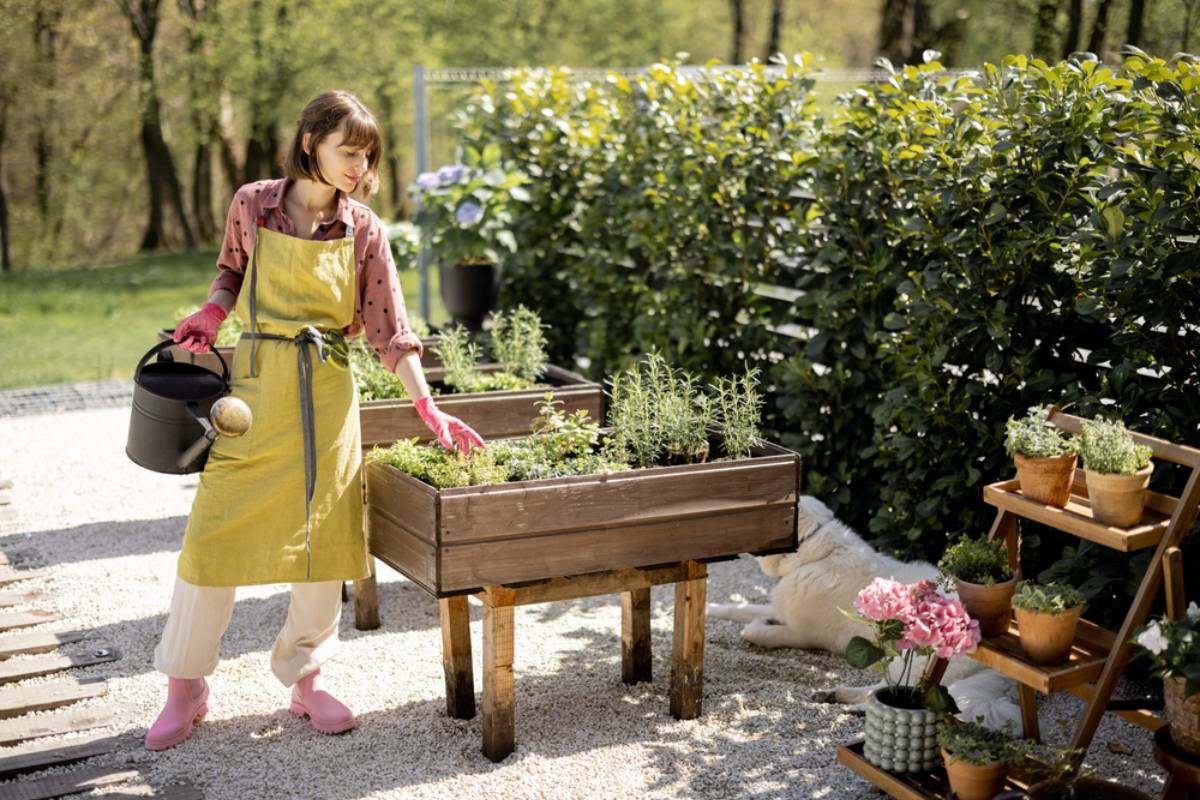
A person shared her story about moving into a home with a shared yard and garden beds, expecting the outdoor space to become one of her favorite parts of the property. The arrangement seemed perfect because she lived in one of two connected units, with another unit nearby and a neighbor who had already been there for around 20 years. Before long, the two women were spending time together, cooking meals, chatting, and gardening side by side. What started as a simple neighborly relationship gradually became a genuine friendship that made the shared space feel like home.
The woman believed they had found something special, especially because gardening often gives people an easy way to connect without needing much of an excuse. They could work on their plants, discuss what was growing, and enjoy the yard together whenever they felt like it. She even gave her neighbor access to an attached storage space that came with her unit, despite having no formal lease claim to it. Looking back, she probably never imagined that the friendship would eventually unravel over complaints that had been quietly collecting beneath the surface.
The Neighborly Friendship Lasted for Years
For several years, everything appeared to be going well between the two women, and their shared garden was just one part of a comfortable routine. They hung out regularly, prepared food together, and seemed to enjoy each other’s company beyond the usual polite greetings exchanged between neighbors. The woman had every reason to believe their relationship was solid because they had built it through everyday interactions rather than occasional small talk. There was no obvious sign that their friendship was heading toward a dramatic breakdown.
However, relationships sometimes change in ways that are difficult to notice until the damage has already been done. According to the woman, her neighbor gradually seemed to develop resentment over the last couple of years, even though she had not openly explained the extent of her frustration. The shared yard continued to exist, but the comfortable atmosphere between them apparently began to disappear. Then, in the autumn of the previous year, the neighbor finally revealed just how much she had supposedly been holding inside.
A Nine-Page Letter Arrived With a Surprisingly Personal Message
Instead of sitting down for a straightforward conversation, the neighbor wrote a nine-page letter listing everything she disliked about the woman. A few points concerned ordinary neighborhood issues, but much of the letter reportedly focused on personal judgments about her character and lifestyle. The woman said the letter essentially portrayed her as a low-class person without self-respect, leaving her shocked by the intensity of the criticism. Nine pages is a remarkable amount of writing for a neighborly disagreement, particularly when the recipient thought the relationship had been friendly.
The letter was especially upsetting because it did not simply explain a handful of practical problems that needed solving. It reportedly included harsh assessments of the woman’s personal life, making the situation feel less like a disagreement over shared property and more like an unexpected character trial. She acknowledged that she was not perfect, but she struggled to understand how someone she had considered a friend could hold such a negative opinion of her. The real surprise was not merely the length of the letter, but the realization that the friendship might never have been as secure as she believed.
The Garden Was Not the Only Thing Causing Friction
Among the neighbor’s complaints were issues involving smoking in the yard, loud phone conversations, and the sound of the woman’s door sometimes slamming. These were the kinds of everyday inconveniences that neighbors might reasonably discuss before they become serious sources of frustration. Yet the woman said several of these grievances had never been brought to her attention while they were still friends. That left her wondering how she could have corrected problems she had not known were bothering anyone.
She explained that whenever her neighbor had previously complained about music volume, she had turned it down. She also believed she generally kept the music at a reasonable level and respected the established quiet hours. From her perspective, she had been willing to make adjustments whenever someone clearly explained a concern. The letter therefore felt particularly unfair because it appeared to punish her for failing to respond to expectations that had never been properly communicated.
The Woman Started Changing Her Habits Anyway
Despite feeling blindsided, the woman did not simply dismiss every complaint as unreasonable. She stopped smoking in the yard and became much more mindful of her volume throughout her daily routine. These changes suggest that she was genuinely interested in reducing tension rather than turning the shared property into a battlefield. Even after receiving a deeply hurtful letter, she was still trying to find a way for both neighbors to live comfortably.
Unfortunately, making changes did not automatically repair the relationship or erase the hostility that had developed. The woman was left with the uncomfortable feeling that she could keep adjusting her behavior and still never satisfy her neighbor. A shared garden should ideally be a place where people can relax, not a space where every conversation or movement feels like a potential violation. At some point, she needed to consider whether the problem could actually be solved through personal adjustments alone.
The Dogs Became Another Major Source of Conflict
The neighbor’s two dogs were another central issue mentioned in the letter, adding a complicated layer to an already strained relationship. One dog had bitten the woman when it first arrived and had also bitten another neighbor, although the woman said it had since become calmer and friendlier. The second dog was described as friendly but poorly socialized, meaning it tended to bark rather than comfortably interact with people. Since the dogs spent time in the yard, their behavior affected how everyone used the shared outdoor space.
The woman had tried to accommodate the situation by texting her neighbor whenever someone was coming over, following a request that she had previously been given. That effort showed she was attempting to be considerate about visitors and the dogs’ reactions. Still, coordinating ordinary visits around another household’s pets can become difficult when the expectations are not clearly defined or mutually agreed upon. The shared garden was beginning to feel less like a communal amenity and more like a space governed by rules that only one neighbor seemed able to set.
A Simple Request for Peace Turned Into a Power Struggle
The woman said she had also written a letter of her own, explaining what she intended to do and expressing her desire for a fair, peaceful living environment. Her goal was apparently to establish a more manageable relationship rather than reignite the argument. She hoped that setting out her position clearly might help both women understand each other’s concerns. Instead, the response she received made the situation feel even more adversarial.
According to her account, the neighbor’s letter focused heavily on what the woman would be required to do, rather than outlining compromises that both parties could make. The neighbor reportedly dismissed her request for peace as laughable because she believed her earlier concerns had been disregarded. This difference in approach mattered because one person was trying to explain how she would behave, while the other appeared to be issuing demands. At that point, even a simple conversation about garden use risked becoming another argument about who had the right to make the rules.
The Neighbor Did Not Want Strangers Watering the Garden
One of the most surprising demands concerned what would happen if the woman went away and needed someone to water her plants. The neighbor reportedly said she would not tolerate strangers entering the yard for that purpose. For someone who had invested time in maintaining a garden, that restriction could create a practical problem during vacations or other absences. Plants do not pause their need for water simply because the person caring for them has plans elsewhere.
This demand also raised an important question about the nature of the shared space. If both residents had legitimate access to the yard, it was unclear why one person should automatically have the power to decide who could help the other maintain her garden. Of course, reasonable safety and access arrangements can matter in shared properties, particularly when dogs are involved. But the woman was left wondering whether the issue was really about managing visitors safely or about controlling activities she had previously been free to arrange.
Even the Smoking Complaint Returned
Just when the woman thought she had started addressing the concerns, another accusation appeared in the letter. Her neighbor reportedly accused her of smoking in the yard again, despite her statement that she had stopped doing so. That allegation made it harder for her to understand what kind of improvement would ever be considered sufficient. If she changed a habit but was still accused of continuing it, the possibility of resolving the dispute became even more frustrating.
The situation also demonstrated how quickly communication can collapse when two people no longer trust each other’s intentions. A minor concern might have been manageable if both sides could discuss it calmly and establish what had actually happened. Instead, the woman found herself defending her behavior while trying to figure out how to coexist with someone who appeared convinced she was the problem. The shared garden, once a symbol of their friendship, had become a reminder of how little confidence remained between them.
A Response From a Person Suggested She Was Bending Over Backward
A response from a person offered a blunt assessment: the woman was already making too many concessions to keep her neighbor happy. The response emphasized that one resident should not automatically be allowed to dictate how everyone else uses a shared yard simply because she has dogs that may react badly to visitors. That perspective challenged the idea that the woman needed to keep sacrificing ordinary freedoms to avoid another confrontation. It also highlighted the difference between accommodating a neighbor and accepting unlimited demands.
For someone who had already stopped smoking outside and become more careful about noise, the advice may have been a useful reminder that compromise has limits. Being considerate does not mean accepting every accusation or allowing another person to control all shared activities. The woman had been trying to preserve the relationship, but the effort seemed increasingly one-sided. Perhaps the next step was not another attempt to win her neighbor’s approval, but a clearer understanding of what reasonable coexistence should look like.
Another Response Pointed to a Possible Pattern
A response from a person suggested that the neighbor’s sudden hostility might have reflected a wider pattern in her relationships. The person noted that a dramatic shift from friendship to a lengthy list of personal grievances was unusual, especially when many of the complaints had apparently never been discussed beforehand. The woman then recalled that her neighbor had previously spoken about ending many friendships and relationships. In hindsight, those conversations seemed more significant than they had at the time.
Still, it would be impossible to know exactly why the neighbor’s attitude changed based on one person’s account. Stress, personal difficulties, accumulated frustration, or misunderstandings could all play a role in a deteriorating relationship. The important point was that the woman did not have to solve the mystery behind her neighbor’s behavior before deciding how to protect her own peace. Understanding another person’s motives might be helpful, but it was not a requirement for establishing sensible boundaries.
The Woman Began Questioning Whether They Had Ever Been Close
One of the saddest parts of the story was the possibility that the friendship had meant something different to each woman. The original poster recalled that her neighbor had spoken about ending numerous friendships and relationships, a detail that took on new meaning after the nine-page letter arrived. What had once sounded like ordinary personal history now seemed like a possible warning sign. The woman began to wonder whether the relationship had been more fragile than she had realized.
That realization can be particularly painful when a friendship develops through shared routines and familiar places. Gardening together, cooking meals, and spending time in the same yard can create a sense of closeness that feels natural and lasting. When that connection suddenly turns hostile, even familiar activities can become uncomfortable. The woman was not simply dealing with a difficult neighbor; she was also trying to make sense of the loss of a friendship she had genuinely valued.
The Shared Yard Needed Boundaries, Not Another Nine-Page Debate
By this point, the woman was questioning whether another face-to-face conversation would help or simply provide another opportunity for conflict. A calm discussion can be useful when both people are willing to listen, but it becomes much less productive when one person approaches it as a chance to dictate terms. The woman’s concern was understandable because she had already tried changing her habits and communicating her desire for peace. She needed a way to protect her living environment without constantly anticipating the next complaint.
A practical approach would be to keep future communication brief, factual, and focused on specific issues involving the property. She could retain copies of letters and messages, review the lease or property arrangements governing the shared yard, and involve the landlord or property manager if necessary. Any questions about access, visitors, or responsibility for the dogs could then be addressed through the appropriate channels rather than endless personal arguments. Clear boundaries would give both residents a better chance of understanding what was expected without turning every gardening decision into a new dispute.
The Biggest Twist Was That the Garden Was Still There
The most ironic part of the story was that the physical space that had helped bring the two women together had not changed nearly as much as their relationship had. The garden beds were still part of the property, the yard was still shared, and both women still had to navigate the same living arrangement. What had disappeared was the easy trust that once made those ordinary details feel pleasant. A place that had once encouraged friendship had become the setting for a dispute about personal habits, visitors, pets, and control.
For the woman, moving forward might mean accepting that the friendship was no longer something she could repair by herself. She could continue being respectful, follow legitimate property rules, and make reasonable accommodations without accepting every personal criticism as fact. If her neighbor remained hostile, polite distance might be healthier than repeatedly trying to restore their former closeness. Sometimes the best way to reclaim a garden is not to plant something new, but to stop allowing someone else’s resentment to determine how much peace you get to enjoy in it.