A Grandmother Asked Her Gardeners to Trim One Overgrown Aloe Vera Plant, Then Discovered They Had Nearly Erased Her Entire Garden Bed
A person shared his story about his partner’s grandmother and a large aloe vera plant that had become a casualty of an ordinary yard cleanup. She had hired gardeners to maintain her yard and only wanted the leaves spilling over the edge trimmed back. Instead, she returned to find that a plant she had carefully watched grow was almost completely gone.
It Was Supposed to Be a Simple Trim
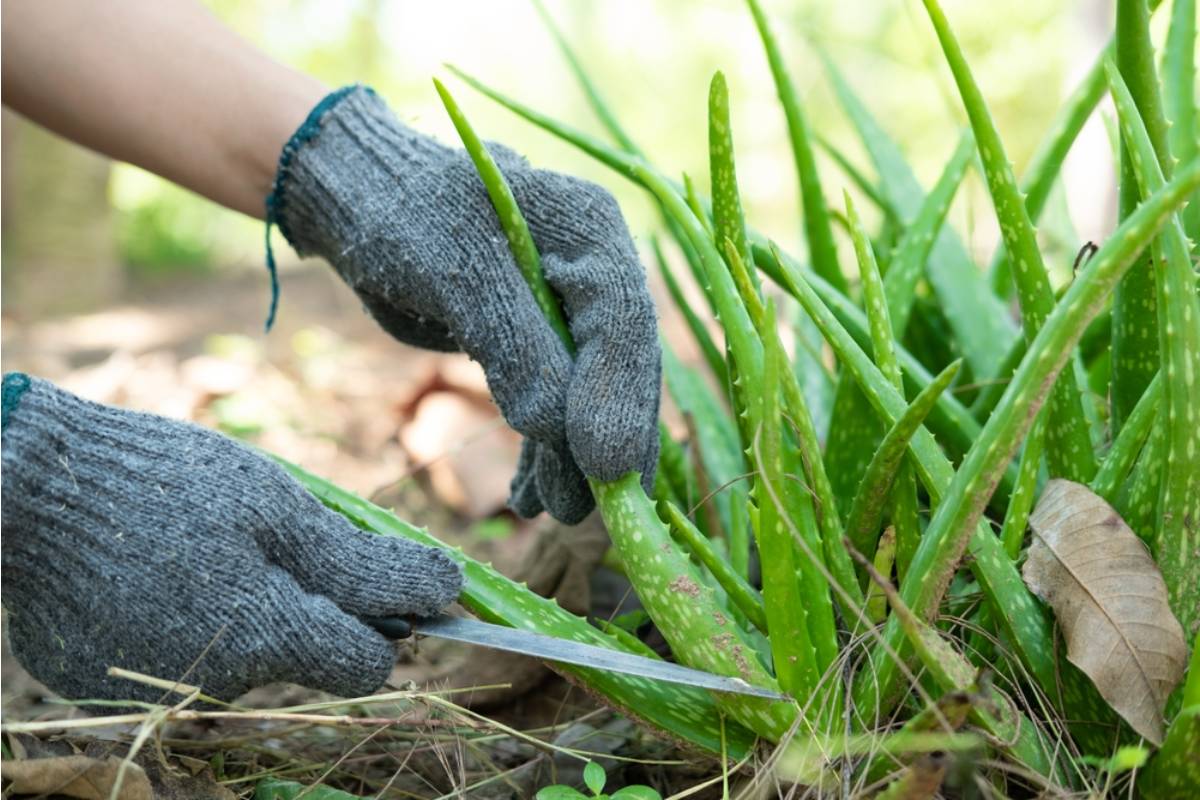
The instructions sounded straightforward enough. The gardeners were asked to tidy the aloe and cut back the leaves that had grown beyond the edge of the garden bed, nothing more. But when the work was finished, the trimming job had somehow turned into something much closer to a full-scale garden demolition.
Nearly the Entire Plant Disappeared
The homeowner said the large aloe was cut down almost to the ground, along with one smaller aloe nearby. What made the situation even more frustrating was that the workers had not removed every aloe plant in the bed, leaving behind pieces of the plants they had cut. That detail made the homeowner question how the gardeners had decided exactly which plants were meant to go.
The Garden Bed Told a Different Story
Photos from a year earlier showed just how much the aloe had grown before the gardeners arrived. The once-large plant had been a prominent feature of the garden bed, while the remaining greenery made the destruction especially obvious. Instead of a neatly trimmed landscape, the homeowner was left staring at a patch that looked strangely incomplete.
Miscommunication Was the First Suspect
At first, the family considered whether the gardeners had simply misunderstood the request. The workers primarily spoke Spanish, so a language gap seemed like an obvious possibility before anyone knew exactly what had happened. However, the family felt that the pattern of what had been cut and what had been left behind made a simple misunderstanding harder to explain.
Not Every Plant Was Touched
That was one of the details that kept bothering them. If the goal had been to remove an entire section of aloe, it would have made more sense for all the plants in that area to disappear. Instead, the gardeners left some plants standing while heavily cutting the large aloe and one smaller plant, creating a mystery inside the garden bed itself.
The Monthly Bill Added Another Layer
The grandmother was paying a landscaping company $150 every month for weekly yard service. The family clarified that this was the company’s established monthly rate rather than a special amount chosen by the grandmother for one particular visit. After watching a favorite plant get butchered, they naturally began wondering what exactly that regular service should have included.
The Family Wanted More Than an Apology
Reimbursement was one obvious possibility, but it was not the only thing the family was considering. They wanted to know whether the gardener could somehow be held responsible for destroying a plant that had not been authorized for removal. The bigger question was how anyone could put a reasonable value on a mature aloe that had been growing happily in the yard for years.
How Do You Price a Mature Aloe?
That turned out to be one of the trickiest parts of the entire story. A small aloe purchased from a garden center can have an obvious price tag, but a large established plant with years of growth is a different matter. Its value is tied not only to its replacement cost, but also to its size, maturity, appearance, and the time it took to become a standout feature of the landscape.
A Response From a Person Offered a Warning
A response from a person pointed out that communication could become important if the landscapers claimed they had been told to remove the plant. Without clear instructions or documentation, both sides could end up remembering the gardening request very differently. That is why the family’s photographs from before and after the trimming suddenly became some of the most useful evidence they had.
Another Gardener’s Mistake Sounded Familiar
A response from a person also described seeing yard workers accidentally destroy aloe beds by using a weed whacker. According to that story, a beautiful patch of mature aloe was cut down even though the plants were clearly part of the landscaping. The lesson was that workers rushing through routine maintenance do not always stop to distinguish between decorative plants and something they think needs clearing.
The Gardeners Were Paid to Move Quickly
That response also raised a practical issue about inexpensive recurring yard service. Workers who mow, trim, and blow through a property every week may be focused on getting the routine work finished rather than carefully evaluating every plant along the edges. In a busy garden, that difference can mean the gap between a careful trim and a plant disappearing in minutes.
A Conversation With the Supervisor Might Help
One suggestion was to contact the landscaping supervisor and clearly explain that the aloe had been removed without permission. The family could show the earlier photographs and explain exactly what work had been requested. There was still hope that the company might offer some form of replacement or compensation rather than allowing the damaged garden bed to become a permanent reminder of the mistake.
The Problem Could Have a Green Ending
A response from a person suggested that aloe can eventually recover surprisingly well when left alone. That offered a little hope for the butchered plant, especially if its remaining pieces were still healthy enough to regrow. The family even considered replacing the damaged plant with another mature one and moving it somewhere less vulnerable to an overenthusiastic round of yard maintenance.
The Real Twist Was How Easily It Happened
The strangest part of the story was that nobody had asked for a landscaping makeover. One simple request to trim a few overhanging leaves somehow left a beloved aloe dramatically reduced, a second plant damaged, and a family trying to figure out how a routine garden visit had gone so far off course. In the end, the missing aloe became a reminder that sometimes the biggest garden disasters do not begin with storms, pests, or drought, but with someone holding a pair of yard tools and deciding to trim just a little too much.