A Homeowner Admits They Used to Pull Flowers Straight Out of a Neighbor’s Garden for Fun, Until They Realized Just How Much Damage Their Childhood Pranks Had Caused
A person shared his story about a childhood habit that seemed funny at the time but looked very different when viewed through adult eyes. Instead of appreciating the colorful flowers growing in a neighbor’s garden, he and his companions found entertainment in pulling them straight out of the ground. What probably felt like a harmless outdoor adventure to them was actually undoing someone else’s gardening efforts. Looking back, the memory carried a lesson that took years to fully understand.
For children, an ordinary neighborhood can become a playground filled with endless opportunities for mischief. Flower beds, neatly trimmed lawns, and carefully arranged plants can easily become part of whatever game they invent. Unfortunately, young troublemakers do not always understand the patience required to maintain a beautiful garden. A flower that takes weeks to bloom can disappear in seconds when someone decides it would be funny to pull it out.
The Neighbor’s Garden Was an Easy Target
Gardens often attract attention because they are among the most visible parts of a home. A well-maintained flower bed can brighten an entire street, especially when the plants begin producing colorful blooms. For someone who enjoys gardening, however, those flowers represent far more than decoration. They require planning, watering, weeding, and plenty of patience.
The trouble begins when someone sees the finished result without appreciating the work behind it. A child might notice a pretty flower and think nothing of removing it, particularly when surrounded by friends who encourage the behavior. That small act can leave an empty patch where a gardener expected another healthy bloom. What looks like a five-second prank to one person can feel like a frustrating setback to another.
Pulling Flowers Became a Source of Mischief
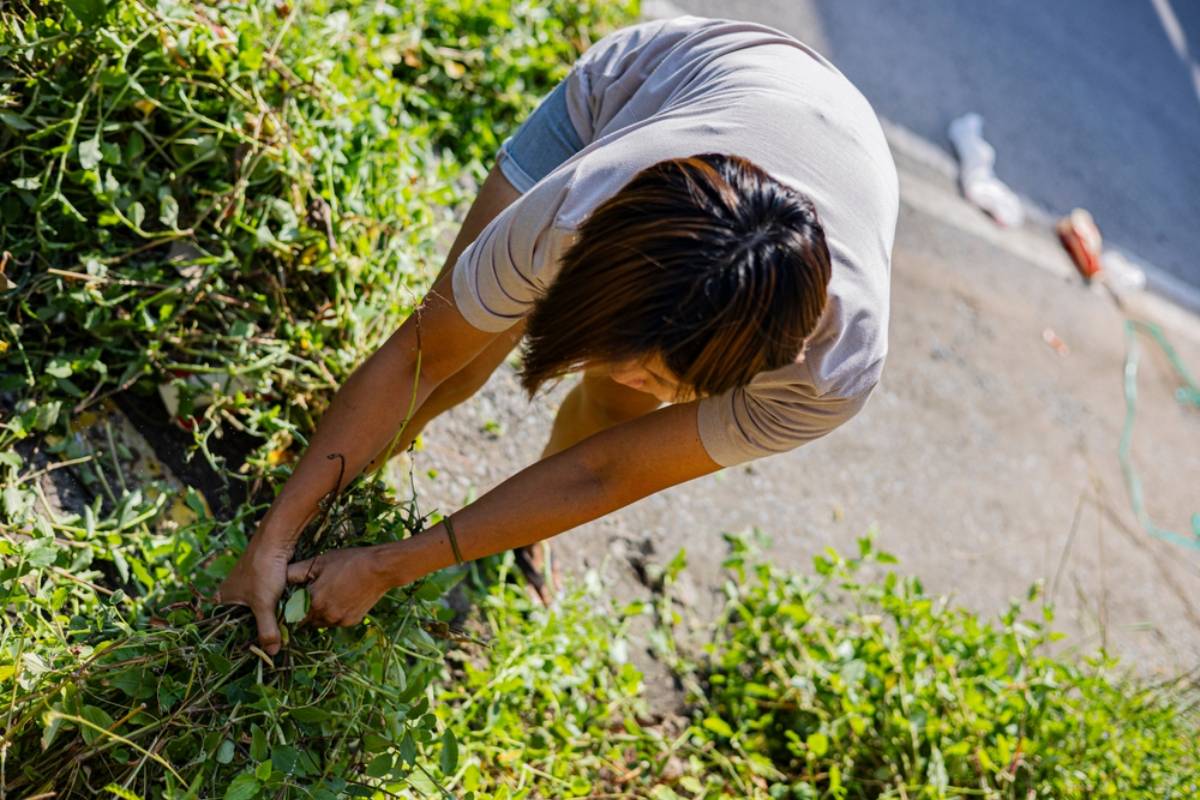
The confession centers on a behavior that many adults would immediately recognize as something children should never do. Pulling flowers from somebody else’s garden damages plants that do not belong to the person removing them. Depending on the plant, the damage might extend beyond the bloom itself, especially when the roots are disturbed. Even a seemingly insignificant flower bed can suffer when the same behavior happens repeatedly.
Children often measure a prank by how entertaining it feels in the moment rather than by its consequences. If nobody immediately stops them, they might assume their actions are acceptable or that the damage does not matter. That mistaken assumption can turn one poor decision into a repeated habit. Gardening offers a particularly clear example of how something beautiful can be destroyed long before the person responsible understands its value.
The Problem With Someone Else’s Flower Bed
A homeowner who carefully maintains a garden usually has a reason for choosing particular plants. Some flowers may have sentimental value, while others might have been grown from seeds, propagated from cuttings, or purchased after considerable planning. Removing them without permission ignores both the gardener’s effort and their right to enjoy their own property. The problem is not simply that a flower disappears, but that somebody else decides their enjoyment matters more than the owner’s.
That distinction can be difficult for children to understand when they are focused on having fun. They may not connect a bare patch of soil with the hours someone spent preparing it. They might also assume that flowers are replaceable because gardens contain so many of them. Yet anyone who has nurtured a plant from a tiny seedling knows that replacing it is not always as simple as buying another one.
Gardening Takes More Patience Than It Seems
One of the most important lessons in gardening is that healthy plants rarely appear through luck alone. Gardeners must choose suitable locations, prepare the soil, provide water, and protect young growth from pests and harsh weather. Some flowers bloom quickly, while others require an entire season before they reach their full potential. Pulling a plant out of the ground can erase that progress almost instantly.
This is why garden damage can feel especially unfair to the person responsible for maintaining the space. They cannot simply rewind the growing season and recover the exact plant they lost. Even replacing it may require additional money, time, and effort. The person who caused the damage might forget the incident quickly, while the gardener continues dealing with its consequences.
Why Childhood Pranks Can Look Different Years Later
Memories from childhood often change meaning as people grow older. Something that once seemed hilarious may eventually become an embarrassing reminder of how little they understood about other people’s feelings. Looking back, a person might wonder why the behavior seemed entertaining in the first place. The passage of time can reveal the difference between being mischievous and deliberately disrespecting someone else’s property.
That realization is particularly relevant when the prank involves a living thing. Flowers are not merely colorful objects placed around a yard; they are plants that need suitable conditions to grow and thrive. Damaging them prevents the gardener from enjoying the results of their work. With greater maturity comes a better understanding that other people’s happiness should not become the price of your entertainment.
The Neighbor Was the One Left With the Damage
The person pulling out the flowers could walk away once the prank was over. The neighbor, meanwhile, would be the one left looking at the disturbed flower bed and wondering what had happened. Depending on the extent of the damage, the homeowner might need to replant, repair the soil, or wait until another growing season for the garden to recover. That imbalance is what makes seemingly minor acts of vandalism so frustrating.
A garden can also be a personal retreat for someone who spends much of their free time caring for plants. They might enjoy sitting outside among the blooms or watching butterflies visit their favorite flowers. When somebody damages that space, the loss can affect more than the garden’s appearance. It can spoil an activity that was supposed to bring peace and enjoyment.
Not Every Flower Can Simply Be Replaced
It is tempting to assume that a damaged flower bed can be restored with a quick trip to a garden center. In reality, different plants respond differently to being pulled from the soil, and some may not survive the disturbance. Established perennials can be especially vulnerable when their roots are torn or exposed. Even when replacement plants are available, they may not match the size or appearance of the original ones.
Gardeners also make decisions according to the seasons, available space, and the specific conditions in their yards. A particular flower might have been chosen because it thrives in that exact location or blooms at a certain time of year. Losing it can disrupt the overall arrangement of the garden. What looks like a tiny hole in the ground might represent a much larger interruption to someone’s plans.
A Response From a Person Highlights the Bigger Lesson
A response from a person discussing this kind of behavior could easily focus on the difference between childhood ignorance and adult responsibility. Children certainly make mistakes, but that does not mean the people affected by those mistakes experience no harm. Recognizing the difference helps explain why an old memory can become uncomfortable long after the original incident. Growing up means learning to consider consequences that once went unnoticed.
It is also possible to acknowledge that children do not always understand the value of another person’s property without excusing the behavior itself. The useful lesson is not that every childhood mistake should become a source of lifelong shame. Instead, it is that people should learn from their actions and avoid repeating the same mistakes. A little empathy can prevent a great deal of unnecessary damage, whether the target is a flower bed or something else entirely.
The Trouble With Treating Nature Like a Toy
Children often explore the outdoors by touching, collecting, digging, and experimenting with whatever catches their attention. Those activities can encourage curiosity when they happen in appropriate places and with suitable guidance. The trouble begins when exploration becomes destruction, especially when someone else has invested time in creating the environment. A neighbor’s flower bed is not an open invitation to experiment with living plants.
There are plenty of ways to encourage an interest in gardening without damaging somebody else’s work. Children can grow easy flowers in pots, plant sunflowers in a designated patch, or help care for herbs in a family garden. These activities allow them to dig in the soil and watch plants develop firsthand. They also teach an important lesson: the satisfaction of growing something is much greater than the brief amusement of destroying it.
Small Acts of Damage Can Add Up
One missing flower might not seem like a serious problem when considered on its own. However, repeated incidents can gradually leave a garden looking neglected, especially if several plants are damaged over time. The gardener may have to spend additional money on replacements and more hours repairing the affected areas. What began as a supposedly funny activity can become an ongoing source of frustration.
The same principle applies to many neighborhood disputes. People sometimes dismiss small inconveniences because each individual incident appears insignificant. Yet the person experiencing them repeatedly may see a completely different picture. Respecting boundaries from the beginning can prevent minor mischief from turning into lasting resentment between neighbors.
A Beautiful Garden Deserves More Than a Passing Glance
One positive lesson from this kind of story is that gardens become easier to appreciate when people understand the work behind them. A flower bed represents countless small decisions, from selecting seeds to managing watering schedules and removing weeds. Every healthy bloom is part of a process that requires attention and time. Recognizing that effort makes it easier to understand why pulling out someone else’s flowers is not harmless fun.
Even people who have never grown a plant can appreciate the value of leaving another person’s garden alone. A simple rule is enough: enjoy the flowers with your eyes unless the owner gives permission to do otherwise. If a particular plant catches your attention, ask the gardener about it instead of reaching into the soil. That small act of respect can even lead to a friendly conversation about gardening.
Turning an Old Mistake Into a Lesson About Respect
Looking back on childhood mischief can be uncomfortable, but it can also provide an opportunity to recognize how much a person has changed. The important question is whether someone can now understand the impact of behavior that once seemed amusing. That awareness can influence how they treat their neighbors, their property, and the living things around them. A forgotten flower bed can become a surprisingly effective reminder that other people’s efforts deserve respect.
For gardeners, the story also reinforces the importance of teaching children how to interact with plants and outdoor spaces responsibly. Giving young people their own small planting projects can help them develop patience and a sense of ownership. They learn that growing flowers requires care and that destroying a plant can undo weeks of progress. Those lessons are much easier to remember when children experience the satisfaction of watching something they planted finally bloom.
The Real Lesson Was Bigger Than the Flowers
The confession serves as a reminder that the consequences of childhood actions are not always obvious at the time. Pulling flowers might seem like a trivial prank to the person doing it, but it can mean something entirely different to the person who planted and cared for them. The contrast between those perspectives is what makes the memory worth reconsidering. As people mature, they gain the ability to see the situation from the other side of the garden fence.
Ultimately, the best neighborhood gardens are those people can enjoy without worrying that someone will damage them for entertainment. Flowers take time to grow, and the people who care for them deserve to enjoy the results of their work. A childhood prank may eventually fade from memory, but the lesson about respecting someone else’s effort remains valuable. Sometimes, becoming a better neighbor starts with realizing that another person’s garden is not your playground.