A Homeowner Watched Her Neighbor’s Giant Tree Flatten Her Garden for the Second Year in a Row, Then the Arborist Found Something Growing Inside the Trunk
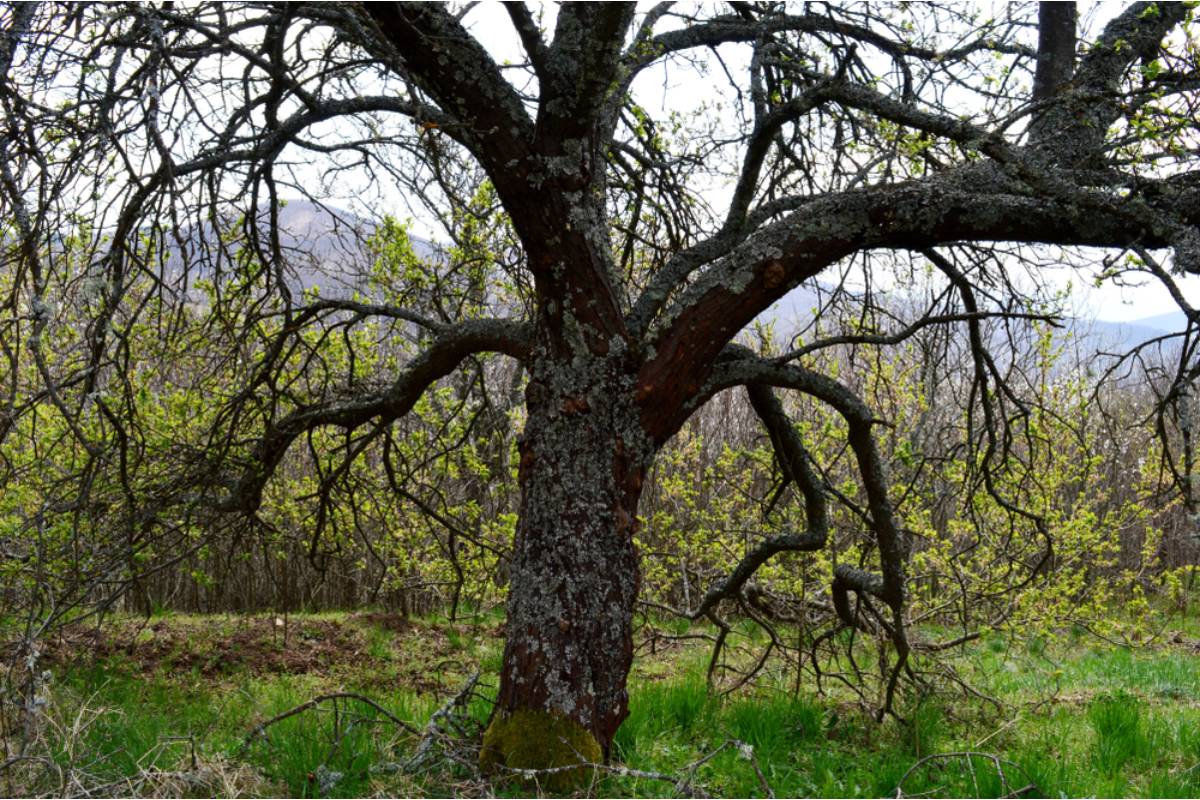
A homeowner had inherited an unusual gardening problem after moving into a new house: a gigantic tree standing on the neighboring property. Its branches were enormous, with some limbs looking almost as large as ordinary mature trees. From the homeowner’s perspective, the tree was beautiful from a distance but terrifying whenever ice or heavy snow rolled through the neighborhood.
The trouble was not occasional shade or a few falling leaves. Large branches had already crashed into the homeowner’s garden two years in a row, crushing raised beds, bending cattle panels, and destroying months of work. Each time, the garden had to be rebuilt almost from scratch, turning a peaceful hobby into an expensive seasonal gamble.
The Garden Was There First
The homeowner had not created the garden directly beneath the tree as a careless experiment. The fenced 20-by-13-foot growing space had already existed when the couple purchased the house, and they had spent considerable time restoring and improving it. It was also one of the sunniest and most productive parts of their relatively small property.
That made the neighbors’ suggestion to simply move the garden particularly frustrating. The homeowner knew that gardens could be relocated, but this one had years of infrastructure, raised beds, supports, fencing, and carefully improved soil. Moving everything would mean sacrificing the best gardening spot just because a neighboring tree refused to behave.
The Second Collapse
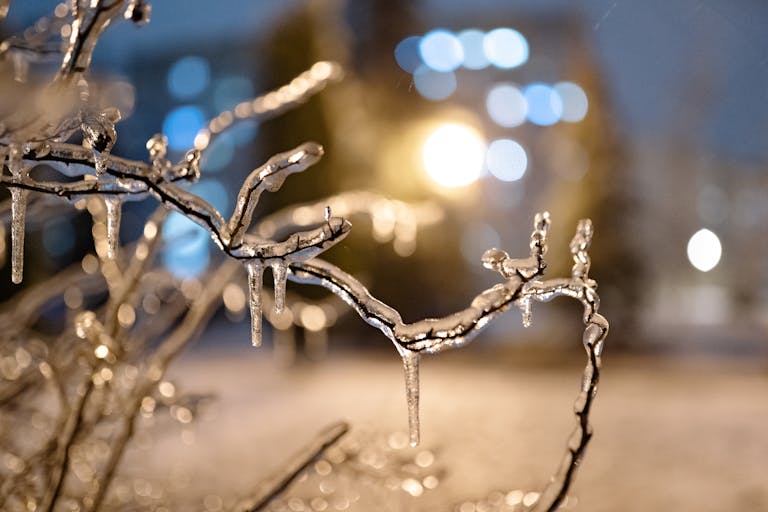
Then an ice storm arrived and transformed the familiar branches into heavy, dangerous arcs. Several limbs came down toward the property line, once again flattening parts of the garden. The homeowner stared at the wreckage and realized that rebuilding it yet again was becoming less like gardening and more like conducting repairs after a natural disaster.
This time, the couple decided they needed to speak with the neighbors. They went over calmly, explained that both properties had suffered damage, and asked whether the neighbors might help with cleanup or repairs. Instead, they were told that the falling branches were simply an act of nature.
The Cleanup Became Their Problem
There was no argument about who would pay for immediate cleanup because the couple knew the garden had to be cleared before anything else could happen. They hired a tree company to remove the fallen material, cut it back to the property line, chip the debris, and haul everything away. By the time the workers finished, the homeowners had spent another painful chunk of money before they could even plant again.
While the crew was there, the tree company provided an estimate for trimming the remaining branches that extended toward the homeowner’s side. The arborist-like recommendation was to remove several larger limbs all the way back to the main trunk because of their condition and the repeated damage. The neighbors were standing nearby and initially said they had no problem with that idea.
Then the Neighbors Changed Their Minds
The homeowners eventually decided not to proceed with the larger trimming job because their repair budget had already been eaten alive. They rebuilt the garden instead, replacing damaged materials and restoring the beds after another brutal cleanup. For a brief moment, it looked as though the crisis had passed.
Then the neighbors came to the homeowner’s house later that week with an entirely different attitude. They insisted that the tree company should not touch the tree beyond trimming at the property line because they did not want their tree to look “stupid.” They also repeated that the damage was simply nature doing what nature does.
The Garden Was Apparently the Problem
The conversation became much more heated when the homeowners explained that the tree had repeatedly destroyed their garden. The neighbors responded that the homeowners were essentially foolish for keeping a garden there and should simply move it somewhere else. After all the money and labor poured into the space, that suggestion felt like being blamed for something falling from another person’s property.
A response from a person pointed out that yards change over time and that gardens sometimes need to be moved as trees mature. Another response took the opposite view and argued that the repeated damage was a warning sign rather than random bad luck. The homeowner was now caught between two very different ideas: redesign the garden or force the tree situation to be addressed.
The Remaining Limbs Looked Worse Up Close
The homeowner began studying the tree more carefully from their side of the property. Several remaining branches were visibly cracked or appeared to have sections of rot. They did not have enough knowledge to decide whether those defects were merely ugly or evidence of a serious structural problem.
That uncertainty became harder to ignore after seeing another branch hanging over the property line. The homeowners imagined what would happen if it fell while they were gardening, if it struck a vehicle, or if it crushed the newly rebuilt beds again. Suddenly, the question was no longer only about expensive vegetables and garden structures.
The Arborist Call
Eventually, the homeowner decided to contact a certified arborist for an independent assessment. The goal was not to demand that the entire tree be removed, but to obtain professional documentation about its condition and the branches most likely to fail. The homeowner also wanted a written record in case the situation turned into an insurance or property dispute later.
A response from a person suggested keeping receipts, photographs, correspondence, and all previous damage records together. Another response recommended making sure the neighbors received a formal copy of any professional report rather than relying on a verbal conversation. The homeowner began assembling a folder that contained every invoice, photograph, estimate, and date she could remember.
The Inspection Revealed a Problem
When the arborist finally arrived, the homeowner expected a lecture about weather and tree maintenance. Instead, the arborist spent a surprising amount of time examining the specific limbs that had caused the damage. He looked at old breaks, cracks, attachment points, and areas where the wood appeared compromised.
Then he made an observation that changed the homeowner’s entire view of the tree. Several of the branches facing the garden showed signs that their problems were not simply caused by the latest ice storm. The weather had been the trigger, but the weaknesses had been developing long before the storm arrived.
The Trunk Had a Secret
The homeowner had assumed the damaged branches were isolated problems. During the inspection, however, the arborist noticed something unusual around part of the main trunk. There were signs of internal decay that were not obvious from several yards away.
The twist was that the massive tree could still look remarkably healthy from the outside while harboring structural weakness within. It continued producing leaves, which had apparently convinced the neighbors that the tree was perfectly fine. The arborist explained that a healthy-looking canopy did not automatically mean every major limb or section of the trunk was structurally sound.
The Report Changed Everything
The arborist prepared a detailed report documenting the visible defects and recommending specific corrective work. The homeowner carefully reviewed it and realized that having professional evidence was far more useful than repeatedly arguing with the neighbors about whether the tree was “natural.” The report did not magically solve the problem, but it turned a frustrating disagreement into a documented safety issue.
The homeowner then spoke with the insurance company about the recurring damage and submitted copies of the relevant records. She was careful not to make exaggerated claims or threaten anyone. She simply wanted the insurer to know that the same tree had caused repeated losses and that a professional had now identified conditions worth monitoring.
The Neighbors Received the Paperwork
A formal copy of the arborist’s report was eventually delivered to the neighbors. The homeowners kept their message simple: they were not asking for the entire tree to disappear, but they needed the documented risks taken seriously. The couple also explained that future damage would be much easier to discuss now that everyone had the same written information.
The neighbors did not respond warmly. They accused the homeowners of making the tree into a bigger issue than it really was and repeated that storms were unpredictable. But this time, the homeowner did not argue at the fence or invite another heated conversation.
The Garden Came Back Slowly
Meanwhile, the garden was finally beginning to recover. Fresh seedlings appeared in the raised beds, the cattle panels were repaired, and the homeowner replaced the plants that had been destroyed by the falling limbs. Every new plant felt like a tiny act of optimism.
Still, she changed a few things around the garden. The most delicate crops were moved slightly farther from the likely fall zone, while sturdier beds remained where the sunlight was best. The garden was no longer being maintained as if the giant tree did not exist.
A New Rule for the Backyard
The homeowner also created a simple rule: no more assuming that a quiet season meant the problem was gone. Before major storms, they checked the garden, moved fragile equipment away from the exposed edge, and made sure everyone knew which parts of the yard were safest. They stopped treating every sunny afternoon as proof that the tree was harmless.
A response from a person had pointed out that one storm knocking down a healthy tree might reasonably be considered bad luck, but repeated damage involving known defects was a different conversation. That distinction stayed with the homeowner. The issue was no longer whether nature had caused the branches to fall, but whether warning signs had been ignored before the next branch came down.
The Branch That Nearly Finished the Argument
Months later, another severe winter storm hit the area. The homeowners watched the enormous tree from inside the house as ice accumulated along the branches. They had prepared the garden as best they could, but there was nothing reassuring about hearing huge cracks echo through the neighborhood.
Near dawn, one of the remaining questionable limbs finally broke. It slammed down near the garden fence, missing the newly repaired beds by only a few feet. The homeowner stood in the doorway staring at the broken branch and realized she had just witnessed the exact event everyone had been arguing about.
Suddenly Nobody Called It Bad Luck
This time, there was no easy dismissal of the incident as a random accident. The photographs clearly showed the failed limb, while the previous arborist report documented the defects that had already been identified. The homeowner added the new damage to the same folder she had been building for months.
The neighbors still did not want to discuss removing or heavily cutting the tree. But their position had become much harder to defend casually because the written warning, previous failures, and new damage now formed a clear timeline. The homeowner finally felt that she was dealing with evidence instead of opinions.
The Garden Survived Anyway
The homeowners rebuilt one more section of the fence and repaired the beds that had been damaged by the latest branch. They also planted some tougher varieties near the exposed side, knowing that even the best documentation could not stop gravity from doing its thing. Gardening, after all, remained gardening.
Yet something had changed. The homeowner no longer felt helpless whenever she looked at the giant tree. She had a documented record, professional information, better preparation, and a garden that had become more resilient because of everything the tree had forced her to learn.
The Prehistoric Giant Was Still Standing
The enormous tree was never completely removed, and from the street it still looked magnificent. Its canopy continued to dominate the neighboring yard like something from another century. But the homeowners no longer viewed it as an unstoppable force of nature.
They had learned that a beautiful tree could still contain dangerous defects, and that “act of nature” did not necessarily end the conversation when warning signs were documented beforehand. Most importantly, the garden had taught them the same lesson every good gardener eventually learns: you cannot control everything that falls from the sky, but you can prepare for what keeps coming back.