A Houseplant Lover Grew Four Jade Babies From Fallen Leaves, Then Discovered Her Biggest Gardening Problem Was Letting Them Go
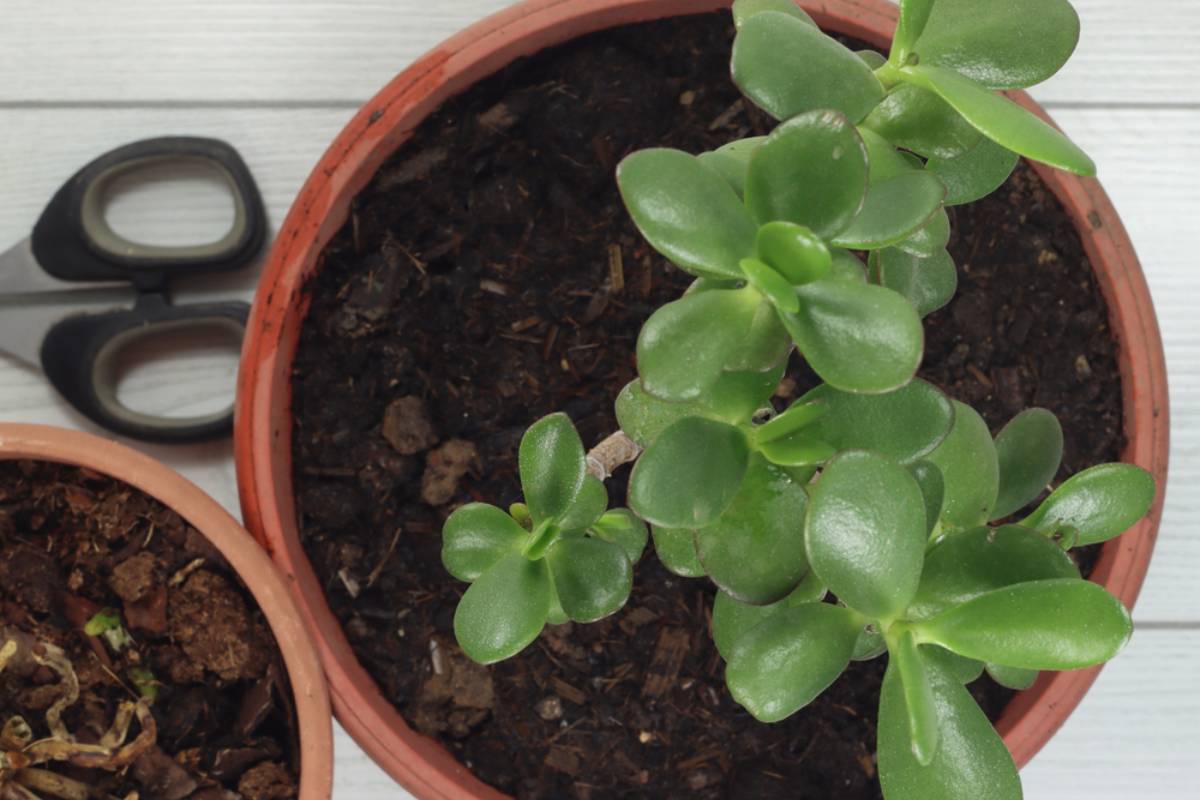
A houseplant lover recently found herself facing a problem that many gardeners would consider a dream come true. After caring for a mother Gollum jade plant, she watched its fallen leaves turn into tiny new plants, eventually producing four little jade babies she had never intended to grow. The leaves had come loose whenever her pets bumped against the original plant, especially one particularly mischievous orange cat that seemed determined to demand attention at the worst possible moment. What started as a minor household nuisance soon became an accidental propagation project that threatened to take over her home.
At first, the new growth probably felt like a small victory for someone who enjoyed growing plants indoors. Each little jade plant represented another success, proof that even an untidy moment around the house could lead to something beautiful. But the excitement came with an unexpected complication because the plants kept growing while the available space remained exactly the same. Before long, the plant lover was staring at four new succulents and wondering how a hobby could create so much responsibility.
Four New Plants Became Four Very Difficult Decisions
The problem was not that the tiny plants were unhealthy or unwanted in the traditional sense. In fact, the owner admitted that she did not need five Gollum jade plants, particularly when she already had four ordinary jade plants growing at home. Logic suggested that the extras should find new homes with people who wanted to add greenery to their own spaces. Unfortunately, logic was having a difficult time winning an argument against a gardener who had watched those little plants grow from almost nothing.
Giving them away sounded simple until she imagined what might happen afterward. Someone could forget to water a plant, leave it in an unsuitable spot, or accidentally damage it while learning how to care for succulents. Once the cuttings left her home, she would no longer have any control over their future. Suddenly, passing along a few extra plants felt less like clearing shelf space and more like entrusting tiny green dependents to complete strangers.
The House Was Already Filling With an Army of Plants
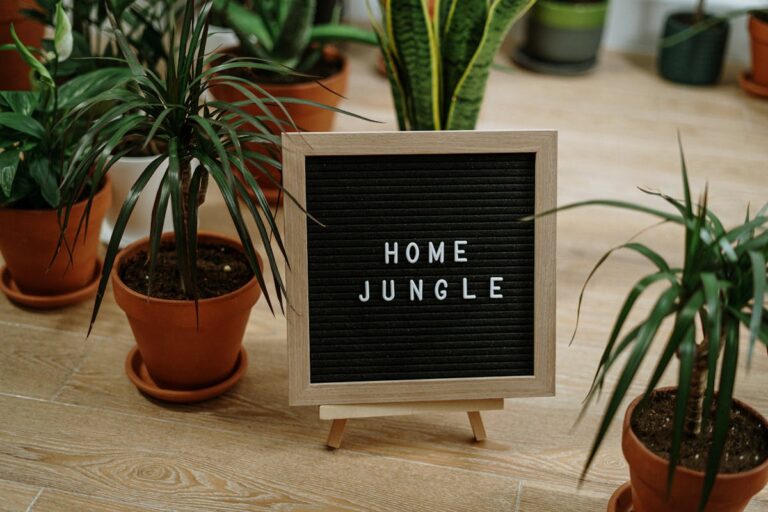
The four jade babies were hardly the only plants competing for room in the house. The owner also had a collection of ordinary jade plants and an impressive group of snake plants, creating the beginnings of a green takeover. Every successful propagation added another leafy resident to a home that was already running out of places to put them. The situation was becoming increasingly difficult to ignore, even if the plants themselves looked perfectly innocent.
The funniest part was that the owner knew exactly how ridiculous the situation sounded. She had openly admitted that she did not need so many plants, yet she still struggled with the idea of giving any of them away. Her collection was growing because she enjoyed propagating plants, but that same enthusiasm made it harder to stop accumulating them. In the end, the question was no longer how to grow another jade plant, but how to live peacefully with all the ones she had already produced.
The Orange Cat Deserved Some of the Blame
Every good gardening story needs a character who unintentionally sets everything in motion, and this household had a particularly fluffy candidate. The owner explained that her orange cat frequently rubbed against the mother jade plant, especially when hungry. Those encounters knocked leaves loose, leaving little pieces behind that could eventually become new plants under suitable conditions. The cat may have thought it was simply making a request for dinner, but its repeated performances were helping expand the household’s succulent population.
There is something wonderfully ironic about a pet creating a gardening problem without having the slightest idea what is happening. A gardener might carefully select a cutting, prepare a growing medium, and monitor its progress, while a determined cat can achieve the first step simply by brushing against a plant. Of course, fallen leaves do not all become healthy new plants, and successful propagation depends on suitable conditions. Still, in this case, the accidental process had worked often enough to leave the owner with more greenery than she knew what to do with.
The Gardener Considered Accepting Her Fate
Rather than immediately organizing a giveaway, the owner began joking about the inevitable future awaiting her home. She imagined the jade plants joining forces with the snake plants until the entire house was swallowed by greenery. The picture was less a conventional indoor garden and more a slow-motion botanical takeover, with the gardener herself becoming a permanent resident of the resulting jungle. Instead of fighting the transformation, she wondered whether she should simply embrace her destiny.
One response from a person encouraged her to accept her fate, which seemed to fit the situation perfectly. The owner took the idea even further, joking that she would eventually become the forest witch she had always aspired to be. Buried among her plants, she could stop worrying about whether she had too many and start treating the expanding collection as a lifestyle choice. It was a funny solution, although it did not solve the practical problem of finding enough room for everything.
More Than 100 Plants Made the Problem Much Bigger
Then came a detail that made the situation even more entertaining. When another person suggested putting the extra plants outside with a free-plants sign, the owner revealed that she already had more than 100 plants. She described herself as someone who simply could not help splitting plants and propagating new ones, even when she knew the resulting growth would create another space problem. Four jade babies were no longer an isolated incident but part of a much larger pattern.
For gardeners who have struggled to stop buying seeds, collecting cuttings, or dividing established plants, that confession probably sounded familiar. Propagation offers the satisfaction of creating something new without necessarily spending money on another mature plant. Every successful attempt can encourage the next one, and before long, a single shelf can become a collection that spreads across windowsills, tables, and spare corners. The trick is recognizing when a rewarding hobby has become a production line with no plan for distributing its output.
Some Plant Lovers Have Learned to Let Go
Not everyone who responded understood the reluctance to give plants away. One response from a person explained that they had reached the point where extra cuttings were simply discarded because there were already too many plants to manage. That approach might sound harsh to someone who treats every cutting as a small miracle, but it reflects a practical reality for experienced growers. Sometimes, keeping a plant healthy means deciding which new growth deserves attention and which pieces can be left behind.
The difference comes down to how people view propagation and the plants they produce. For one gardener, every new cutting represents something worth nurturing, especially when it has survived long enough to develop its own roots. For another, a cutting is simply a potential new plant, and there is no obligation to grow every possibility into a permanent resident. Neither approach is inherently wrong, but the first can make a crowded home feel like an endless gardening project.
One Gardener Turned Plant Babies Into Gifts
Another person shared a more generous approach to the problem, explaining that they had given away more than 100 propagated plants over several years. Spider plants, wandering dude cuttings, and various succulents had become inexpensive gifts for students during their time in graduate school. When the supply outgrew the number of interested people in their own department, the gardener began sending plants to the school library for distribution at campus events. What had started as a personal hobby eventually became a way to introduce dozens of other people to growing plants.
That experience offered a possible solution to the original owner’s dilemma. Instead of treating every extra jade as a plant that needed a permanent home with its current owner, she could view propagation as a way of sharing something enjoyable. Friends, neighbors, libraries, community gatherings, and plant exchanges can all provide opportunities to pass along healthy plants to people who want them. The challenge is not necessarily finding someone willing to take a plant, but finding a method of sharing that makes the original gardener comfortable.
A Library Plant Swap Could Solve the Crowding Problem
One response from a person mentioned a local library that organized a monthly plant swap where extra plants could be adopted. Such events create a convenient meeting point for people who enjoy gardening and are actively looking for new additions to their collections. Rather than handing a succulent to a random passerby, a plant enthusiast can offer it to someone who has deliberately shown an interest in growing it. That small difference can make giving away a plant feel less like an uncertain gamble.
Plant swaps also offer something that ordinary giveaways cannot always provide. Participants can exchange plants they have successfully propagated for varieties they have never grown before, creating a little community around a shared hobby. A gardener with too many jade plants might leave with a new pothos cutting, a spider plant baby, or advice on caring for a struggling houseplant. The result is a more balanced collection, with new plants coming in only when old ones find homes elsewhere.
The Biggest Surprise Was What Happened to One Little Pilea
One person offered a reassuring example of why giving away a plant does not always end in disappointment. They had once gifted a tiny Pilea plant to an aunt, uncertain how it would fare in another person’s care. Years later, the plant had grown into a large, healthy specimen that was producing babies of its own. Instead of becoming another neglected houseplant, the little gift had flourished beyond what the original giver might have expected.
Stories like this challenge the assumption that nobody else will care for a plant as well as the person who propagated it. A successful gardener naturally becomes familiar with a plant’s needs, noticing changes in its leaves, growth, and watering requirements. But new owners can develop that same understanding over time, especially when they are excited about their new plants and willing to learn. Sometimes the only way to discover whether a plant will thrive in another home is to give it the chance.
New Gardeners Cannot Learn Without Taking a Few Risks
A response from a person raised another important point about the fear of losing a cutting. Every experienced plant enthusiast has probably killed a plant at some stage, whether through overwatering, insufficient light, unsuitable temperatures, or an honest mistake. Giving a beginner a healthy, reasonably easy plant can provide an opportunity to learn without spending much money on an established specimen. The first plant might not survive, but the experience can still teach the new gardener something useful.
Succulents can be particularly good starting points when their basic needs are understood. Jade plants generally prefer bright light and a growing medium that drains well, while consistently soggy soil can increase the risk of root problems. Explaining those requirements when giving away a cutting can improve its chances, although no instructions can guarantee success. More importantly, accepting that some plants will struggle helps make gardening an activity built around learning rather than an endless attempt to avoid every mistake.
Experienced Growers Have Their Own Rules for Giving Plants Away
Not every gardener is comfortable passing plants to anyone who happens to ask. One person explained that they enjoyed giving away extra growth, but preferred recipients who did not already own the same variety. Another described exchanging cuttings with a friend whose plant collection included different types of plants, making the arrangement useful to both sides. For these gardeners, sharing works best when it creates a mutual opportunity rather than simply transferring a space problem from one home to another.
Others use plant clubs and local gardening groups to find suitable recipients. A succulent club, for instance, can bring together people who already understand the basics of growing and maintaining these plants. Members may be more likely to appreciate a healthy cutting, recognize its value, and provide an appropriate growing environment. For someone nervous about giving away a beloved jade plant, finding a recipient with a genuine interest in succulents can make the decision much easier.
Some Plants Are Gifts, While Others Become Family Heirlooms
A few responses revealed that attachment to plants can become surprisingly personal. One grower explained that they kept a ficus originally purchased as a bonsai many years earlier, describing it as a plant they were especially reluctant to part with. Unlike an easily replaced cutting, this long-lived plant carried years of memories and had become part of the owner’s personal history. Its value was no longer measured only by its size, appearance, or price.
That distinction helps explain why two gardeners can react very differently to the same extra plant. A recently propagated jade might feel replaceable to one person but represent months of care and emotional investment to another. Giving away a common cutting is not the same as parting with a plant that has been present through major life changes. Gardeners do not have to treat every plant identically, and setting aside a few sentimental favorites can make it easier to share the rest.
Nature Never Promised That Every Cutting Would Survive
One response from a person offered a different way of looking at the problem, pointing out that plants produce new growth and offspring without guaranteeing that every one will survive. In nature, seedlings and cuttings encounter changing conditions, competition, weather, animals, and many other challenges. Propagating extra plants can increase the chances that at least some will establish themselves successfully, rather than ensuring that every individual survives forever. From that perspective, sharing a few jade babies is not a betrayal of the mother plant but an opportunity for new growth to continue somewhere else.
That lesson can be particularly useful for gardeners who feel guilty whenever a plant dies. Even careful owners cannot control every factor, and healthy plants can sometimes struggle despite receiving appropriate attention. Outdoor gardening makes these realities difficult to avoid because seasons change, storms damage growth, and plants naturally complete their life cycles. Indoor gardening may offer more control, but it cannot remove uncertainty entirely.
The Real Solution Might Be Learning When to Stop Propagating
Eventually, the original problem circles back to a simple question: does every fallen leaf need to become another plant? Propagation is rewarding precisely because it turns a small piece of greenery into something new, but success does not create an obligation to keep every result. A gardener can allow selected cuttings to grow while leaving other fallen leaves alone, giving away healthy extras, or declining to start new plants when space becomes limited. That approach preserves the enjoyment of growing without turning every available surface into a nursery.
For the owner of more than 100 houseplants, the four Gollum jade babies offered a chance to rethink the habit. She could keep a favorite, give a few away through a plant exchange, and let future fallen leaves remain part of the natural growing process rather than treating each one as a new responsibility. The unexpected twist is that the plants themselves were never really the problem. The challenge was learning that loving plants does not mean personally caring for every plant one can grow.
Perhaps the house will still become a jungle, with snake plants occupying the corners and jade plants lining every bright windowsill. But somewhere between the next propagation attempt and the next giveaway, the aspiring forest witch might discover a better ending: a home full of healthy plants, a few grateful new plant owners, and just enough empty space to start another little gardening adventure.