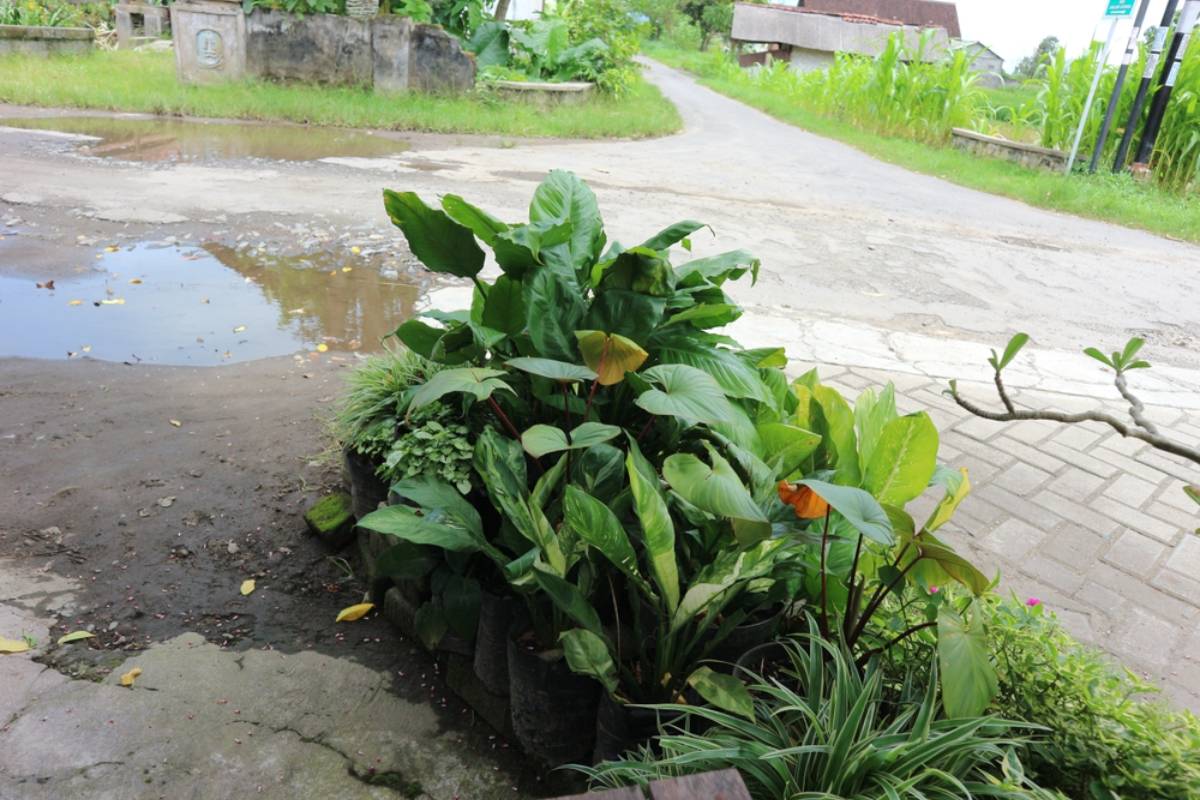
A New Homeowner Planned to Rip Out Every Plant Along the Driveway and Start a Fresh Lawn, Then Realized the Previous Owner Had Left Behind Flowers Worth Saving
Buying a home often comes with a few surprises, but not all of them are hiding inside the walls or beneath the floorboards. One new homeowner in southern Wisconsin discovered that the driveway had its own little botanical mystery waiting to unfold. As the weather changed, annual grasses and other plants began popping up along both sides of the driveway, revealing what the previous owner had planted there. What initially looked like an ordinary strip of greenery soon became a landscaping project the new owners had not planned for.
The homeowner shared his story after watching the plants emerge over a period of just two weeks. Rather than keep a garden they had not chosen, the new owners wanted to start fresh and grow grass until they decided what they wanted the space to become. It sounded simple enough at first, especially if removing the existing plants meant creating a clean slate. But beneath those emerging leaves, roots and bulbs could make the job considerably more complicated.
The Dream of a Fresh, Green Lawn
The new homeowners had a straightforward vision for the driveway borders: remove the existing plants, prepare the ground, and establish a neat stretch of grass. They were not necessarily against gardening, but they wanted time to decide how they would eventually use the space. A simple lawn seemed like a practical temporary solution while they figured out their long-term landscaping plans. Unfortunately, plants do not always cooperate with a homeowner’s preferred schedule.
Starting over also raised questions about how thoroughly the old vegetation needed to be removed. The homeowner wondered whether tilling the soil, clearing bulbs and roots, adding fresh dirt, and scattering grass seed would be enough. It was the sort of project that sounds like a weekend of hard work until someone mentions that the unwanted plants might return. Suddenly, the driveway was looking less like a quick makeover and more like a gardening puzzle.
The Plants Had Been Waiting for Their Moment
One of the most surprising parts of the situation was how quickly the plants appeared. The homeowner had not known exactly what would emerge when they purchased the property, and the sudden burst of growth revealed just how much the previous owner had established along the driveway. What had looked like an ordinary patch of ground was actually home to a collection of plants waiting for the right conditions. For a new homeowner hoping for a blank canvas, spring had delivered a rather leafy complication.
The timing also meant the owners were making decisions before they had fully understood what was growing there. Some plants might have been easy to remove, while others could have underground structures that made them persistent. Pulling out the visible greenery would not necessarily eliminate everything beneath the soil. Before reaching for a shovel, the homeowners had good reason to wonder what they were actually dealing with.
The Previous Owner Had Left More Than Empty Soil
Previous homeowners sometimes leave behind gardens that reflect years of planting, experimenting, and patiently waiting for flowers to mature. Even a narrow strip beside a driveway can contain plants that return season after season. The new owners had inherited this landscape without knowing precisely what would appear when the growing season began. Their discovery highlighted how a property’s landscaping can reveal itself gradually after the keys change hands.
That did not mean they were obligated to preserve every plant they found. A garden should suit the people who live with it, and the new owners wanted something simpler for the time being. Still, removing established plants can mean sacrificing work that took the previous owner considerable time to create. The challenge was deciding which parts of the old landscape deserved another chance before everything disappeared.
One Plant Earned a Special Exception
Amid their plans to clear the driveway borders, the homeowners identified one group of plants they hoped to save: the peonies. Unlike the other vegetation they wanted to remove, these flowering perennials were worth relocating if possible. That small exception changed the project from a straightforward clearing operation into a more careful exercise in garden renovation. Suddenly, the owners needed to think about what should go, what should stay, and how to avoid destroying the plants they wanted to keep.
Peonies can live for many years when planted in suitable conditions, making an established clump worth considering before digging it up. Relocating them requires some planning, particularly when choosing a new location with appropriate sunlight, drainage, and room for growth. The homeowners wanted to preserve their peonies without allowing the rest of the planting scheme to dictate their future lawn. It was a reminder that starting over does not always mean throwing absolutely everything away.
The Big Question Was Hiding Underground
The homeowner’s biggest concern was whether removing the visible plants would actually solve the problem. Tilling the area might break up the existing growth, but it could also leave pieces of roots or underground structures behind. Depending on the species involved, some plants can regrow from surviving roots, rhizomes, or bulbs. A patch of apparently empty soil could therefore become green again just when the new grass was supposed to take over.
That uncertainty made identification an important first step. Different plants require different removal methods, so treating every unwanted plant as though it behaves the same way can lead to wasted effort. The homeowner wanted to know whether clearing the roots thoroughly would be enough or whether a more involved preparation process was necessary. Without knowing what was growing there, even an ambitious cleanup could produce disappointing results.
Would Tilling Solve Everything?
Tilling is often tempting when a homeowner wants to transform a planted border into a lawn. It loosens the soil and makes it easier to prepare a seedbed, but it is not a guaranteed way to eliminate established vegetation. Some persistent plants can spread when their underground stems or roots are chopped into pieces. What looks like an efficient shortcut can sometimes leave a gardener with even more individual shoots to manage.
For that reason, the homeowners had reason to think carefully before disturbing the entire area. Identifying the plants and understanding how they spread would help determine whether digging, careful root removal, or another approach made more sense. Any remaining bulbs and substantial roots would need particular attention if the goal was to prevent unwanted regrowth. The first job was not necessarily to till everything, but to work out what needed to be removed and how.
Fresh Dirt Was Not a Guaranteed Fresh Start
The idea of bringing in new soil sounded like another way to give the future lawn a clean beginning. Fresh topsoil can improve the growing environment when the existing ground needs it, but adding soil does not automatically eliminate plants already established underneath. Persistent roots and underground stems may continue growing if they survive the preparation process. A layer of dirt can conceal the problem without actually solving it.
The homeowners were right to consider soil preparation as part of the project, but it would need to follow effective vegetation removal. Otherwise, the new lawn could end up competing with the very plants the owners had hoped to eliminate. Soil quality, drainage, and the needs of the chosen grass seed would also influence how successfully the new lawn established itself. A successful makeover would depend on what happened beneath the surface as much as what appeared above it.
The New Grass Could Face an Unwanted Comeback
One of the homeowner’s most practical questions concerned what might happen after the grass seed was planted. Would the old plants simply push through the new lawn, turning the fresh green surface into a mixture of grass and unwanted vegetation? The answer would depend on the plants’ identities, the completeness of their removal, and the conditions supporting their growth. New grass would not automatically prevent surviving perennial plants from returning.
A well-prepared seedbed gives grass a better opportunity to establish, but it cannot compensate for every problem left underground. The owners would need to monitor the area as the grass germinated and matured, looking for shoots that suggested the old plants had survived. Removing unwanted growth early could help prevent it from becoming more established. The real test would come after planting, when the former garden had its first opportunity to make an unexpected return.
The Peonies Complicated the Cleanup
Saving the peonies meant the homeowners could not simply treat the entire border as disposable vegetation. They needed to distinguish the plants they wanted to preserve from those they intended to remove. That required more care than clearing everything indiscriminately and starting again with grass seed. A few minutes spent identifying the desirable plants could prevent a great deal of regret later.
Peonies are generally best relocated when conditions favor their recovery, rather than whenever a landscaping project happens to begin. Their roots need careful handling, and the new planting location should be prepared before the plants are moved. The owners would also need to consider how the remaining lawn area would meet the relocated flowers. With a little planning, the driveway could become simpler without sacrificing the plants they had decided were worth keeping.
A Lawn Makeover Needed More Than Grass Seed
Grass seed is only one part of establishing a healthy lawn. The ground needs to be prepared properly, competing vegetation needs to be managed, and the selected grass must suit the local climate and growing conditions. For a property in southern Wisconsin, choosing an appropriate grass type would be an important part of the process. Simply scattering seed over disturbed soil would not guarantee the uniform lawn the owners envisioned.
The timing of the project would matter, too, because soil temperature, moisture, and seasonal conditions influence germination and establishment. Once the unwanted plants had been addressed, the owners could prepare a reasonably level seedbed and follow the instructions for their chosen grass seed. Consistent moisture during germination would help the new grass get established. The aim was to create a lawn that could compete successfully without requiring the homeowners to fight the same battle every spring.
A Response From a Person Could Change the Plan
A response from a person familiar with lawn care could help the homeowner avoid treating every plant as an identical problem. Identifying the species would make it easier to determine whether the vegetation was annual, perennial, bulb-forming, or capable of regrowing from root fragments. Those distinctions could influence whether the best approach involved digging, repeated removal, or another suitable method. Without that information, the owners risked doing a great deal of work without addressing the underlying cause.
The peonies also deserved to be considered separately from the plants destined for removal. Rather than clearing the whole border in one operation, the homeowners could mark the flowers they wanted to save and plan around them. This would make it easier to renovate the remaining space without accidentally destroying the plants they hoped to relocate. A little preparation could turn an overwhelming landscaping job into several manageable steps.
The Driveway Borders Became a Lesson in Patience
For new homeowners, landscaping can feel like a race to make every part of the property match a vision as quickly as possible. Yet plants operate on their own schedules, emerging when the conditions suit them and sometimes returning long after a gardener believes the job is finished. The sudden growth along the driveway showed how much a garden can change within a short period. It also demonstrated why understanding an existing landscape is valuable before making permanent changes.
The homeowners did not need to abandon their plans for a lawn just because the previous owner had planted something else. They simply needed to approach the transformation with a better understanding of the plants, the soil, and the peonies they hoped to preserve. Careful removal and proper preparation would give the grass a better chance of success. The driveway could still become the clean, green space they wanted, but the route there might involve more than one afternoon with a shovel.
Starting Over Did Not Have to Mean Losing Everything
The homeowner’s dilemma captured a familiar tension in gardening: the desire for a fresh start versus the possibility that something valuable is already growing in the wrong place. The existing plants were not necessarily a disaster, but they did not match the owners’ immediate plans. Their wish to establish grass was perfectly understandable, especially when they were still deciding what their long-term garden should look like. The peonies offered one clear reason to pause before removing everything.
A successful renovation would allow the homeowners to take control of their landscape without overlooking the plants they wanted to keep. By identifying the unwanted growth, choosing an appropriate removal method, and preparing the soil carefully, they could reduce the chances of an unwelcome comeback. The remaining peonies could then be relocated when conditions were suitable, giving them a place in the garden’s next chapter. What began as an unexpected flush of plants could ultimately become the first step toward a more intentional outdoor space.