A Renter Paid £3,000 for a Flat Partly Because of Its Lush Private Garden, Then Found Nothing but Dirt Waiting Behind the Door
A person shared his story after renting a two-bedroom flat in London for £3,000 a month, with the garden playing a surprisingly important role in the decision. The outdoor space did not have a lawn, but it featured a large established rose bush, ivy climbing the walls, and several other plants that created a lush and private corner. It was exactly the sort of garden that could make a city property feel a little less like a city property.
The garden was not simply a decorative extra in the listing. The established planting provided privacy from neighboring homes and gave the otherwise ordinary outdoor space a mature, settled appearance. The renters were told that the garden would be trimmed back slightly because the previous tenant had allowed it to become overgrown, so they expected a little pruning rather than a complete transformation.
They Thought “Trimmed Back” Meant Exactly That
Before moving in, the renters had every reason to believe the garden would still be there in roughly the same form. A little pruning seemed perfectly reasonable, especially if some of the shrubs had become untidy or the ivy had started wandering where it should not. Nobody apparently warned them that the garden was about to undergo something closer to an archaeological excavation.
The couple had already committed to the property with the existing garden in mind. They were not expecting a completely untouched landscape, but they were expecting the established plants they had seen when making their decision. That distinction would become extremely important once they collected the keys.
The First Look Behind the Door Was a Shock
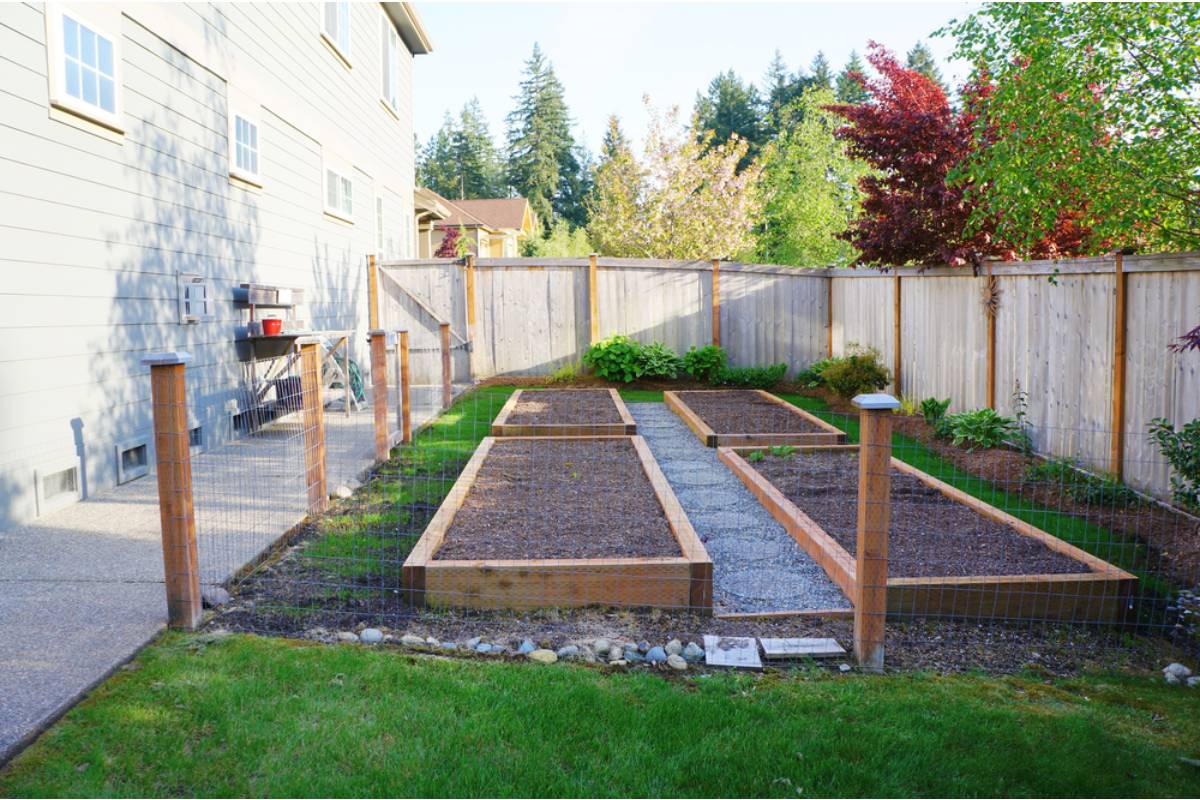
When the renters arrived with their keys, the garden they remembered was gone. The rose bush had disappeared, the ivy had been stripped away, the other greenery had been removed, and all that remained were dead-looking stumps and bare dirt. What had been presented as a mature garden now looked like a freshly cleared building site.
The contrast was so dramatic that it was difficult to describe it as simple maintenance. The renters had mentally pictured themselves using a private, leafy outdoor space, only to discover that the entire character of the garden had changed before they had even moved in. There was no gradual reveal, just one giant gardening surprise waiting for them on day one.
Nearly Two Weeks Passed Without a Clear Explanation
Naturally, the renters wanted to know what had happened. They spent almost two weeks chasing the property management company for an explanation while trying to understand why such a substantial change had taken place between viewing the property and receiving the keys. The longer they waited, the more bizarre the situation seemed.
Eventually, they received an answer that was almost as surprising as the empty garden itself. They were told that the landlord and a contractor had decided to remove the planting because the overgrowth was supposedly threatening external pipes. The renters were unconvinced, especially because they had never been told that such extensive work was planned.
The Rose Bush Was the Part That Really Hurt
Among everything that disappeared, the large rose bush stood out most. A mature flowering rose can transform an otherwise plain garden, and its removal was not something that could be undone with a quick trip to a garden center. Years of growth had effectively vanished overnight.
The ivy had also contributed to the privacy that made the garden appealing in the first place. Without the plants climbing the walls and filling the space, the renters were left with a much more exposed outdoor area. The change was therefore not simply about losing flowers, it was about losing the atmosphere that helped justify choosing the property.
The New Garden Had No Garden Plan
The strangest part was what happened after everything was removed. According to the renters, there were no plans to replant anything, meaning the garden was not being cleared as part of some exciting landscaping project. There was no promised replacement rose, no new shrubs, and no grand planting scheme waiting around the corner.
Instead, the finished product was essentially bare soil and stumps. It left the renters wondering why they had been shown one kind of garden, told it would simply be trimmed, and then handed another. The garden had gone from established and private to empty and exposed without the occupants getting a say in the transition.
The Price Still Reflected the Original Property
The renters said the garden had been one of the reasons they were willing to pay the £3,000 monthly rent. They had seen a property with a mature outdoor space rather than a flat with a blank patch of ground behind it. Once the plants disappeared, they felt the property had materially changed from the version they had agreed to rent.
Their argument was not necessarily that a landlord could never remove a plant. The issue, as the person later explained, was the representation of the property before the tenancy began and the absence of any warning about major works. From their perspective, the problem was not simply losing greenery, but discovering that a significant feature they had relied on had quietly been erased.
Then the Pipes Became the Main Character
The explanation about the external pipes added another layer to the story. The landlord and contractor apparently believed the overgrown plants posed a risk to those pipes, making removal necessary. But because the renters had expected only trimming, the scale of the work raised plenty of questions in their minds.
A garden certainly can require maintenance around walls, utilities, and access points. Yet there is a huge difference between cutting back a few branches and removing nearly every established plant in sight. The renters were left trying to work out whether they had witnessed routine maintenance taken to an extreme or a landscaping decision they simply had not been told about.
Other Gardeners Could Understand Both Sides
A response from a person pointed out that landlords may have legitimate reasons for changing gardens between tenants, particularly when growth has become difficult to manage. Mature ivy can spread aggressively, shrubs can obstruct access, and neglected planting can create maintenance headaches. From that perspective, the property owner may have seen a problem that needed dealing with.
But that response also highlighted why communication mattered so much in this case. Even a reasonable garden renovation can feel very different when the people renting the property find out only after the work has already happened. The surprise was not merely that plants had been removed, but that the renters apparently had no idea their garden was about to be completely stripped.
Privacy Disappeared Along With the Greenery
The old planting had provided something that bare soil simply could not replace overnight. The rose bush, ivy, and other plants softened the boundaries of the garden and helped shield the renters from neighboring properties. Once everything was cleared, that private green feeling disappeared along with the plants.
For city renters, that kind of privacy can be especially valuable. A small garden surrounded by mature greenery can feel like a secluded retreat, while the same space without vegetation can suddenly feel exposed and unfinished. The renters had not just lost a collection of plants, they had lost a major part of what made the outdoor space appealing.
The Timing Made the Discovery Even Stranger
The renters were apparently told before moving in that the garden would be trimmed because the previous tenant had let it become overgrown. That wording set a very specific expectation: the garden might look tidier, but the established planting would remain. Instead, they opened the gate to find what looked like the aftermath of a complete clear-out.
That timing is what gave the story its strongest plot twist. Had they been told beforehand that the garden was going to be stripped and replanted later, they could have made their decision with the complete information. Instead, the change happened before move-in, leaving them to discover the new version of the garden only after they had already committed to the property.
The Renters Were Not Asking for a Palace
The frustration was not necessarily about expecting a perfect botanical garden. They had simply wanted the outdoor space that had formed part of the property’s appeal when they chose it. A mature rose bush and some wall-climbing greenery may not sound extravagant, but those details can completely change how a small urban garden feels.
That is why the renters questioned whether there was anything they could do beyond complaining or walking away. They believed they had paid a premium for a property that included an established garden, only to discover that the most distinctive part of that garden no longer existed. The question was becoming less about individual plants and more about whether a garden shown to prospective tenants should still resemble that garden when they arrive.
Starting Over Would Take Time
Even if the landlord eventually agreed to restore the planting, a new garden could not simply recreate the old one overnight. A young rose bush would need years before it matched the scale and character of the mature plant that had been removed. Newly planted shrubs and ivy would likewise need time to establish and rebuild the privacy that had disappeared.
That is perhaps the most frustrating gardening detail of the entire story. Money can buy replacement plants, but it cannot instantly buy back years of growth. The renters were not looking at an empty flower bed waiting for a weekend makeover, they were looking at a mature landscape that had effectively been reset to zero.
The Bare Garden Became the Unexpected Twist
What began as a story about finding an overgrown garden actually ended up being a story about what happened when someone decided to make that garden disappear. The renters had chosen the property partly because of its greenery, expected some ordinary trimming, and instead arrived to find dirt and stumps. The explanation about protecting pipes only made the sudden transformation more difficult for them to understand.
The biggest twist was that there was no exciting garden renovation waiting behind the scenes. There was no replacement planting scheme, no promise of rebuilding the lost privacy, and no indication that the outdoor space would ever return to what had originally attracted the renters. They thought they were renting a flat with an established garden, but on moving day they discovered they had actually inherited the beginning of a garden instead.