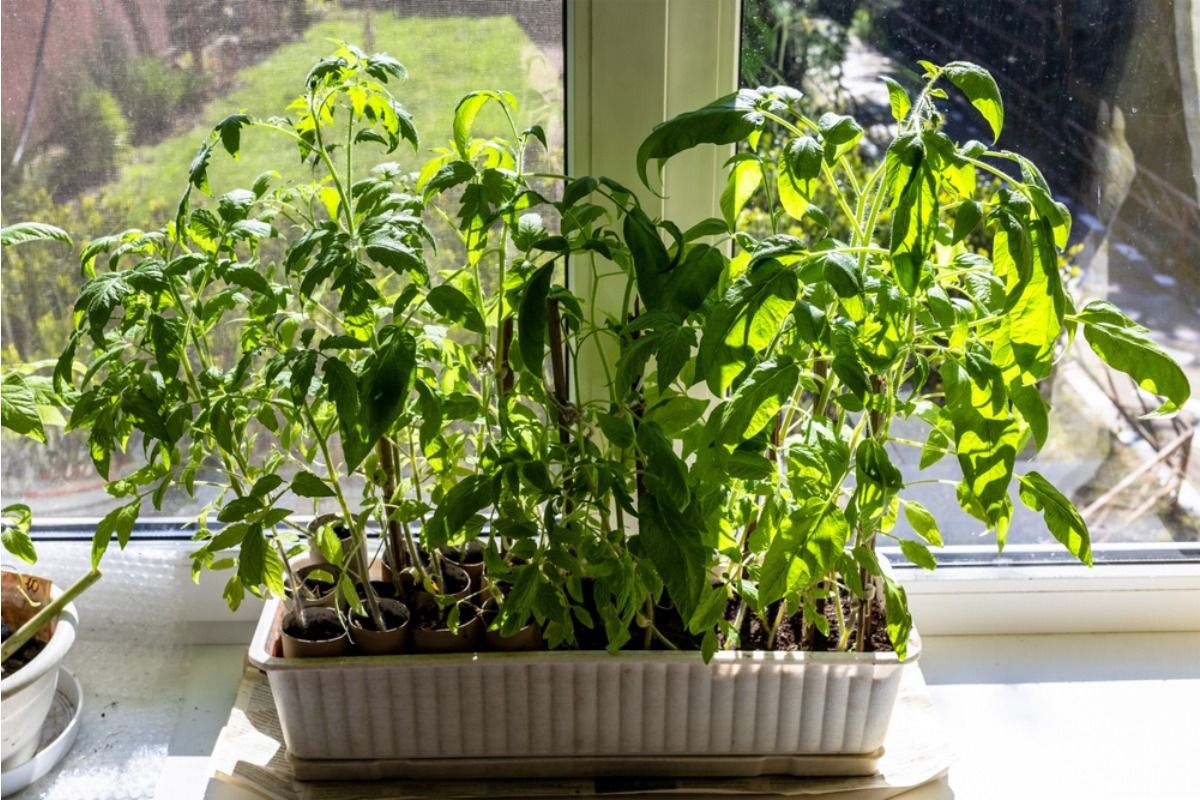
A Small Change in Sunlight Exposure Is Causing Big Differences in Plant Growth Across Similar Yards
Even in neighborhoods where gardens receive similar care, watering, and soil conditions, small differences in sunlight exposure can lead to noticeably different plant growth. A shift of just an hour or two of direct sun, or a slight change in shade patterns, can significantly affect how fast and how well plants develop over the season.
More Sunlight Means Faster Energy Production
Plants rely on sunlight for photosynthesis, which drives growth. Yards that receive longer periods of direct sunlight often see faster development, stronger stems, and earlier flowering. Even small increases in daily sun exposure can add up over time.
Partial Shade Slows Growth in Subtle Ways
In slightly shaded areas, plants may still grow but at a slower rate. Leaves can become larger but fewer in number, and flowering may be delayed. These differences are not always obvious at first but become clear as the season progresses.
Morning vs Afternoon Sun Matters
Sunlight timing also plays a role. Morning sun helps plants dry quickly and start photosynthesis early, while heavy afternoon shade can reduce overall daily energy intake. Two yards with the same total sunlight hours can still perform differently depending on when that light occurs.
Nearby Structures Change Light Patterns
Trees, fences, buildings, and even neighboring plants can cast shifting shadows throughout the day. A small structure that blocks sun for part of the afternoon can significantly impact growth in one section of a yard while leaving another unaffected.
Heat and Light Work Together
Sunlight doesn’t just provide energy, it also influences soil temperature. Warmer soil can speed up root activity and nutrient absorption. Gardens with slightly more sun exposure often experience faster overall development because both light and warmth increase.
Stress Levels Differ Between Light Conditions
Plants in low-light areas may grow more slowly and become weaker over time as they stretch toward light sources. This stretching can make stems thinner and less stable, even if the plants remain alive and green.
Small Differences Become Big Over Time
At the beginning of the season, growth differences may be minimal. But as weeks pass, plants in better-lit areas accumulate more energy, leading to stronger growth, earlier harvests, and higher yields.
Sunlight is one of the most powerful and often underestimated factors in garden performance. Even minor variations in exposure can create large differences in plant health, showing how sensitive gardens are to their exact environment.