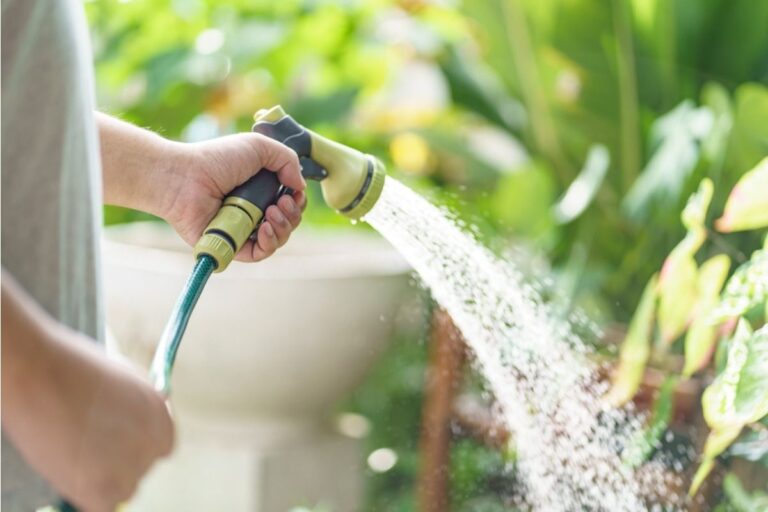
A Teen Secretly Turned His Neighbor’s Struggling Garden Into a Tomato-Filled Paradise Overnight, Then Stopped Helping and Made Her Believe She Had Lost Her Green Thumb
A person shared his story about a neighbor who seemed determined to turn her yard into a beautiful garden, even though nothing appeared to cooperate. Every weekend, she spent hours planting flowers, pulling weeds, and watering her vegetables, hoping that one day her hard work would finally pay off. Unfortunately, her flower beds remained unimpressive, and her vegetable garden struggled to produce the results she wanted. From the outside, it looked like she was doing everything right but somehow missing the secret ingredient that every successful gardener seemed to know.
The person remembered watching her struggle while growing up in high school, and apparently, he decided that her gardening troubles presented an opportunity for a little mischief. Rather than offering conventional advice about soil quality, sunlight, or watering schedules, he came up with a plan of his own. What happened next would transform her yard into the envy of the neighborhood, at least for a little while. The neighbor had no idea that her gardening success was about to begin with a surprise she never asked for.
A Late-Night Visit Changed Everything in the Flower Beds
One night, at around one in the morning, the teenager decided to visit the neighbor’s yard while everyone was presumably asleep. He brought along a bag of high-quality fertilizer left over from another project, intending to use it to give her struggling plants an unexpected boost. Under the cover of darkness, he spread the fertilizer generously across her flower beds and vegetable garden without telling her what he had done. It was an unusual way to help someone, especially when the recipient had no idea that anybody had intervened.
At first, the plan seemed less like sabotage and more like a secret act of gardening kindness. The neighbor had been putting in the effort, and the teenager’s intervention supplied something that her plants apparently needed to flourish. He did not leave a note, knock on her door, or offer to explain the mystery behind her garden’s sudden improvement. Instead, he waited to see what would happen, setting the stage for a transformation that would soon become impossible to ignore.
The Plants Suddenly Started Growing Like Crazy
Within a few weeks, the neighbor’s garden looked dramatically different from the struggling patch she had been tending all season. Her flowers became vibrant, her flower beds filled out, and her tomato plants began producing enormous fruits. After spending so much time watching her plants disappoint her, she finally had a reason to feel proud of the results. The yard that once seemed determined to resist her efforts had become a colorful, productive garden almost overnight.
For anyone who has struggled to grow tomatoes or coax flowers into blooming, that kind of turnaround would feel almost magical. The neighbor had no obvious explanation for the sudden success, and the person responsible was certainly not volunteering any answers. Rather than simply enjoying the sight of a garden doing well, the teenager realized he could turn the unexpected harvest into an even bigger performance. His secret act of fertilizing the yard was only the beginning of a much stranger story.
He Started Praising Her as a Gardening Genius
Once the plants began flourishing, the teenager decided to add a little theatrical encouragement to the situation. Whenever he spotted the neighbor outside, he would call across the fence and compliment her supposed gardening brilliance. He made exaggerated remarks about her being a botanical prodigy and marveled at the size of her tomatoes. The praise was so enthusiastic that it sounded less like an ordinary neighborly compliment and more like a tribute to a gardening celebrity.
The neighbor naturally took pride in her newfound success, especially after enduring so many disappointing seasons. She began to believe that she had finally discovered the secret to growing spectacular flowers and vegetables. The teenager watched as her confidence grew alongside the plants, knowing that his nighttime intervention had played a major role in the transformation. What might have been a genuinely heartwarming story about a struggling gardener receiving an anonymous helping hand was about to take a rather uncomfortable turn.
The Garden Became the Talk of the Neighborhood
The neighbor was so delighted with her garden that she started inviting other people over to admire it. Visitors could see the impressive blooms and oversized tomatoes for themselves, and she was eager to show off what she had accomplished. After spending so much time struggling with her plants, she finally had something worth celebrating. The teenager’s secret fertilizer treatment had not merely improved the garden; it had helped create a moment of pride that she was happy to share with others.
From her perspective, this was the reward for all those weekends spent digging, planting, and watering. She had every reason to believe that her persistence had finally paid off, and the compliments from the person next door only reinforced that impression. Meanwhile, the teenager knew the garden’s sudden success was not entirely the result of a newly discovered personal talent. The stage was set for the cruelest part of his plan, and it would begin when the next growing season arrived.
The Following Year, the Secret Ingredient Disappeared
When the next gardening season came around, the teenager made one crucial change: he stopped secretly fertilizing the neighbor’s yard. There was no midnight visit, no unexpected boost for the soil, and no hidden contribution to help the flowers and vegetables thrive. The neighbor continued tending her garden, apparently expecting the same spectacular results she had enjoyed the year before. Unfortunately, the plants soon returned to their previous pattern of struggling and looking less impressive.
The sudden reversal must have been confusing for someone who believed she had finally mastered the art of gardening. One year, she had huge tomatoes and vibrant flowers, and the next, her garden seemed to be slipping backward despite her continued efforts. Instead of explaining what had changed, the teenager watched the situation unfold. His secret intervention had given her a taste of success, but withholding it would now leave her questioning everything she thought she had learned.
Her Once-Impressive Garden Started Looking Ordinary Again
As the season progressed, the garden lost much of the glory it had enjoyed the previous year. The flowers were no longer putting on the same spectacular display, and the vegetables struggled to match their earlier performance. For a gardener who had recently entertained neighbors and celebrated an apparent breakthrough, the decline was especially disappointing. She had experienced what seemed like proof that her hard work was finally paying off, only to watch the results disappear.
Gardening rarely produces identical results every year, even when someone follows the same routine. Soil conditions, weather, pests, sunlight, watering, and nutrient availability can all influence how plants grow. The neighbor, however, did not know that an important variable had changed without her knowledge. Instead of treating the disappointing season as an ordinary gardening challenge, she began searching for something she must have done wrong.
He Made Sure She Noticed Every Wilting Plant
The teenager could have stayed quiet and allowed the neighbor to figure things out for herself. Instead, he chose to make the situation more painful by commenting on the decline whenever he saw her outside. He would look over the fence and ask whether she had somehow lost her gardening touch. His remarks turned an already frustrating growing season into a personal challenge, making her feel as though she had somehow forgotten the skills she supposedly possessed.
The contrast between his earlier praise and his new criticism was particularly unfair. During the garden’s best season, he had treated her like a natural gardening expert, encouraging her to believe she had an extraordinary talent. Now that the plants were struggling again, he acted as though her previous success had been nothing more than beginner’s luck. The neighbor was left trying to solve a problem that had been created, at least in part, by the person mocking her from the other side of the fence.
She Started Testing Everything to Find the Problem
Determined to recover the results she had achieved the previous year, the neighbor began experimenting with different approaches to gardening. According to the story, she purchased various pH testing kits and changed her watering schedule in an attempt to identify what had gone wrong. Each disappointing plant seemed to raise another question about her soil, her techniques, or her ability to grow a healthy garden. Instead of enjoying the hobby, she found herself trying to solve an increasingly frustrating mystery.
There was an obvious irony in watching someone work harder to correct a problem without knowing its actual cause. Soil testing and adjustments to watering can be useful tools when plants are struggling, but changing several things without a clear diagnosis can make it harder to identify the real issue. In this case, the neighbor had no reason to suspect that the previous season’s extraordinary results had depended on an intervention she never knew about. She was searching for a mistake in her gardening routine while the person responsible continued to withhold the missing information.
The Golden Year Became an Obsession
As the garden continued to disappoint her, the neighbor reportedly kept talking about the remarkable season when everything had grown so beautifully. She treated that period as a special year when she had somehow discovered a gift for gardening, only to lose it just as quickly. The memory of those enormous tomatoes and vibrant flowers became a painful comparison with the plants she was struggling to grow now. Instead of looking forward to the next season, she was trying to understand why she could no longer recreate the past.
For a hobby that often depends on patience and experimentation, that kind of disappointment can be surprisingly discouraging. A single successful harvest does not automatically mean that every future season will be equally productive, and an unsuccessful year does not prove someone lacks talent. Yet the neighbor had been encouraged to believe that her results reflected a special ability. The teenager’s secret had turned an ordinary gardening challenge into a mystery about her own competence, leaving her to question something she had once celebrated.
The Teenager Continued Playing Both Sides of the Fence
The most troubling part of the story was that the teenager understood more about the situation than the neighbor did. He knew that he had helped produce the previous year’s impressive garden, yet he continued acting as though her declining results revealed a lack of skill. His comments were not simply observations about disappointing flowers or smaller tomatoes; they were deliberate attempts to make her doubt herself. What began with an unexpected application of fertilizer had become an ongoing joke at someone else’s expense.
A response from a person captured the problem with the arrangement, pointing out that helping someone succeed was one thing, but making them feel they had lost their talent for entertainment was another. That distinction explains why the story became much less charming once the full sequence of events was revealed. An anonymous act of kindness could have ended with a flourishing garden and a happy neighbor. Instead, the person responsible chose to turn her confusion into the punchline.
What Looked Like a Gardening Prank Became Something More Personal
At first glance, secretly fertilizing a neighbor’s garden might sound like a harmless prank with a surprisingly positive outcome. The plants benefited, the neighbor enjoyed a beautiful season, and the teenager got to witness a dramatic transformation without receiving any credit. But the story did not end with the flourishing flowers or the impressive tomato harvest. The following year exposed the difference between giving someone a helping hand and setting them up to feel inadequate when that help disappears.
The neighbor had invested time and effort into her yard long before the teenager intervened, and she continued trying long after the results deteriorated. Her frustration was not simply about losing a few flowers or producing smaller vegetables than expected. She had been led to believe that she had finally figured out how to make her garden thrive, only to be teased when she could not repeat the success. The real twist was that the person who had helped create her proudest gardening moment also became the person undermining her confidence.
He Finally Started Wondering Whether He Owed Her an Apology
Years later, the person shared his story and admitted that he had expected people to see the incident as harmless high school mischief. He had initially viewed the first season as a positive outcome because the neighbor’s garden had genuinely improved. However, the reactions he received made him reconsider how entertaining the situation had really been for the person on the receiving end. He began wondering whether he should finally tell her what happened and apologize for the way he had treated her.
His proposed gesture was simple: confess the truth and perhaps bring her some tomatoes. That suggestion offered a small glimpse of a better ending, although a basket of vegetables would not necessarily undo the embarrassment or confusion she had experienced. A sincere apology would need to acknowledge both the secret intervention and the subsequent teasing, rather than presenting the entire episode as a favor. After all, helping someone’s garden flourish is a very different thing from letting them believe they have personally failed when the results change.
The Biggest Lesson Was Not About Fertilizer at All
The story offers a useful reminder that gardening success depends on many factors, and even experienced gardeners can encounter unpredictable seasons. Fertilizer can support plant growth when it supplies nutrients the soil lacks, but applying too much or choosing the wrong product can damage plants and create other problems. Gardeners are generally better served by understanding their soil, following product directions, and making adjustments based on what their plants actually need. A thriving garden is usually the result of informed care, observation, and patience rather than a mysterious green thumb that appears and disappears overnight.
There was also a lesson about kindness hiding beneath the tale of oversized tomatoes and flourishing flower beds. The teenager could have helped his neighbor learn more about soil fertility, or he could simply have left her a bag of suitable fertilizer with an explanation. Instead, he allowed her to take pride in a success that he knew was not entirely hers to reproduce, then mocked her when she struggled. Perhaps the best ending would be a sincere apology, a fresh batch of tomatoes, and a chance for the neighbor to grow a beautiful garden again with the knowledge and confidence she deserved all along.