A Teen Spent Ten Years Raising More Than 100 Aloe Plants From a Single Classroom Gift, Then a House Move and a Personal Struggle Left His Beloved Indoor Garden Fighting for Survival
A person shared his story about losing a houseplant collection that had been part of his life since childhood, and the heartbreaking tale began with a simple science project. When he was eight years old, a teacher gave him an aloe aristata, a small succulent that would eventually become the beginning of something much bigger. What started as one modest plant gradually turned into a collection that filled his home with greenery, memories, and years of patient care. Little did he know that this childhood gift would become one of the most meaningful parts of his life.
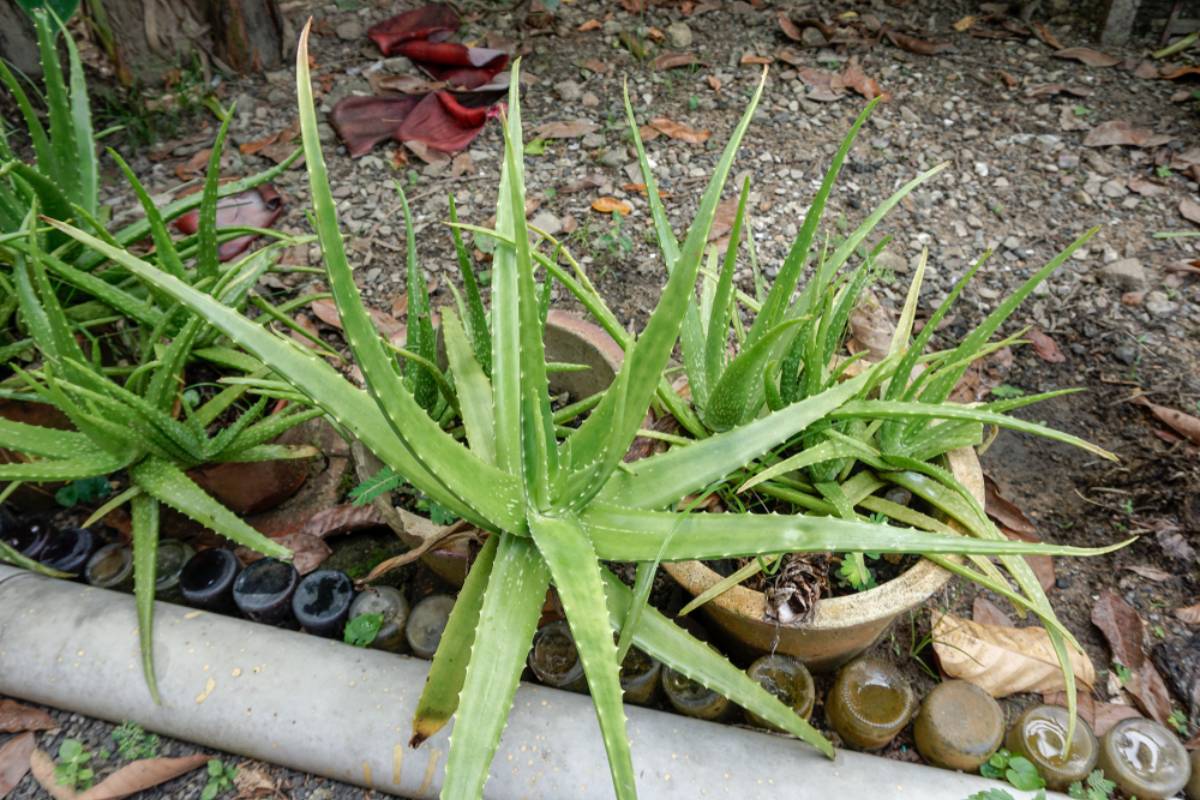
The young gardener did not simply keep the original plant alive and call it a day. He nurtured its offshoots, raised new generations, and eventually had more than 100 individual aloe aristata plants at one point. The plants even flowered every year, rewarding his efforts with a beautiful reminder that his little indoor garden was thriving. For him, these were not just succulents sitting on a shelf, but living reminders of a decade spent growing something special.
One Succulent Turned Into an Entire Indoor Jungle
As the years passed, the collection expanded well beyond the original aloe plants. He added aloe vera, crassula perforata, lithops, several kinds of cacti, lucky bamboo, Christmas cacti, turtle vine, and two peace lilies. He also cared for a small woody plant that produced beautiful red flowers, which had been given to him by his foster mother. Every new addition brought another story, making the collection feel more like a living scrapbook than an ordinary houseplant display.
Some plants were especially important to him, including the lithops and the peace lilies. His affection for the peace lilies even connected to his love of the comedy film Hot Fuzz, giving those plants an extra layer of personal meaning. The collection had grown through gifts, propagation, and years of routine care rather than a single shopping spree. By then, his room had become a small botanical world that reflected different chapters of his childhood and teenage years.
His Old Bedroom Was Hardly a Gardener’s Dream
The original growing space was far from perfect, with a tiny room and a windowsill that was difficult to reach because belongings often piled up in the way. Despite those less-than-ideal conditions, the plants managed to thrive under his care. He admitted that his watering routine could be intermittent, yet the collection continued growing for years. Somehow, the plants had found their rhythm in a cramped little corner of the house.
That success made the collection feel dependable, even when the growing conditions were not particularly convenient. The plants had survived crowded surroundings and imperfect routines without losing their place in his life. Their resilience probably made it easier to believe they would continue doing well wherever he moved next. Unfortunately, the next chapter brought a challenge that was much harder to spot than an overcrowded windowsill.
A House Move Changed More Than the Address
In late 2024, the young plant enthusiast moved to a new home, where the windowsills were too small to accommodate his collection. He improvised by placing the plants on plastic shelves beside a window, hoping the new arrangement would work just as well. At first, he opened the curtains every day, allowing the room to receive sunlight for roughly half the day through a west-facing window. Everything appeared reasonably promising, but some of the plants began showing troubling signs.
The aloe aristata plants started looking as though they were not receiving enough light, leaving him puzzled because the room seemed bright for several hours. It was a frustrating surprise for someone who had spent so long learning how to keep them alive. A new home can change indoor growing conditions in subtle ways, even when a window appears perfectly suitable. What looked like a simple rearrangement of shelves was becoming a much bigger test for his collection.
The First Loss Hit Especially Hard
The first major casualty was his crassula perforata, a succulent that had been gifted to him by a friend. Losing a plant that came from someone special can sting more than losing one purchased on an ordinary shopping trip. Soon afterward, one of the small woody plants and a lucky bamboo plant also died. The collection that had once seemed so stable was suddenly becoming smaller.
The losses continued during the first few months after the move, with the turtle vine and the smaller peace lily among the plants that did not survive. Even so, many of the aloe plants initially appeared to be doing reasonably well. One tray of young aloe offshoots continued behaving as though it lacked sufficient sunlight, however, suggesting that the new setup was not working equally well for every plant. The gardener had already begun facing a mystery that would become even more painful later.
The Plants Were Fighting a Battle He Could Not Easily See
Indoor plants can respond very differently to changes in light, watering, drainage, and temperature. A window that looks bright to a person does not necessarily provide enough useful light for every plant sitting nearby. Succulents, tropical houseplants, and plants accustomed to different growing conditions can all have different needs. The collection’s decline may have involved several factors, although the exact cause of every loss was not established.
For a while, the young gardener continued trying to manage the plants as he had done for years. He had a long history of successfully raising them, so the early warning signs must have been particularly confusing. Some plants were struggling while others seemed fine, making it difficult to identify one obvious problem. Then, as the months went on, his ability to care for the collection became entangled with something far more serious than gardening.
A Difficult Personal Period Made Everything Harder
The gardener explained that he had been experiencing a deep depressive episode over the preceding two months, with the final three weeks being especially difficult. During one particularly bad week, he barely got out of bed, ate very little, and struggled to do anything at all. Everyday routines that once seemed manageable had become overwhelming. Even opening the curtains, something that had previously been part of his plant-care routine, became increasingly difficult.
He estimated that he had opened the curtains only about twice a week during the previous month, and sometimes not at all. That meant the plants were receiving less daylight at a time when some were already struggling. He began connecting the worsening condition of his collection to the days when he could not manage his usual responsibilities. The realization left him feeling that he had let down both his plants and the younger version of himself who had started the collection.
The Favorite Peace Lily Became the Turning Point
Among all the plants, one peace lily held a particularly special place in his heart. It had been doing better than the rest of the collection recently, which made its sudden decline all the more upsetting. After spending two weeks away housesitting, he returned to find the plant drooping badly. Nobody had watered the plants while he was gone, although the curtains had remained open during that period.
Seeing the peace lily in such poor condition, he hurried to water it because its leaves and stems were still green. He hoped that a thorough drink would help it recover, but the plant gradually darkened instead of bouncing back. When he checked it again, he discovered that its stems had developed mold. The plant he had considered one of the collection’s strongest survivors had become a symbol of how quickly things could change.
The Aloe Collection Suffered an Even More Devastating Blow
The aloe aristata plants had been the heart of the collection since the beginning, so their condition was especially painful to witness. Most of them had rotted away or turned brown, leaving only one plant from a room collection that had once numbered around 30. Even that remaining aloe was already half brown. After years of growing generations of these plants, the sight of so few survivors was difficult to accept.
The aloe vera plants were also showing brown and yellow discoloration, while the lucky bamboo had turned partly brown. The small woody plants had lost their leaves, and their stalks had withered. Even the cacti, which many people regard as relatively forgiving plants, looked sick. The collection was no longer dealing with a few isolated setbacks, but a widespread decline across several different species.
A Decade of Growing Seemed to Be Disappearing Overnight
For the young gardener, the damage represented far more than a collection of pots that needed replacing. Some plants had grown from the original aloe aristata, creating generations that connected his present life to the child he had been at eight years old. He remembered talking to the original aloe every night because his teacher had told him that talking to plants helped them grow faster. It was an innocent childhood belief, but the memory had become deeply attached to the plants themselves.
He also remembered how the aloe plants had survived an infestation when he was around 12 years old. Back then, something resembling maggots had eaten away at their roots and leaves, yet the plants had endured. That earlier recovery made the current losses feel especially cruel because he knew the collection had already overcome serious challenges. Now, he feared that the plants that had accompanied him for most of his life were disappearing for good.
The Guilt Became Almost as Painful as the Loss
As the plants deteriorated, the gardener began blaming himself for what had happened. He described feeling terrible about allowing living things he cared about to die, especially when they had depended on his attention for so long. The collection had been part of his daily life since childhood, and losing it felt like losing a piece of his own history. Instead of seeing a difficult period that had disrupted his routine, he saw a personal failure.
His words revealed how closely he had connected the plants with his younger self and his memories. He worried that he could not look after himself or his plants, a thought that made the situation feel even heavier. Yet struggling to maintain a hobby during a severe personal crisis does not erase ten years of care. The plants had benefited from his attention for a decade, even if he could not sustain the same routine during his hardest weeks.
One Response Offered a Much-Needed Reminder
A response from a person offered sympathy and reminded the gardener that ten years of effort were not erased by mistakes. The message emphasized that he had been an amazing caretaker and encouraged him to be kinder to himself. It was a simple response, but it addressed the guilt at the center of the story rather than focusing only on watering schedules or sunlight. Sometimes, a little compassion can matter just as much as practical advice when someone is already struggling.
The response also opened the door to a more hopeful way of looking at the damaged plants. Rather than treating every loss as proof that the entire collection had been ruined by one person, it encouraged him to recognize the years of care that had come before. A plant collection can be emotionally important, especially when individual specimens carry memories of childhood, friendship, or family. Losing plants is painful, but it does not mean the years spent growing them were wasted.
The Gardener Decided Not to Give Up on Every Plant
After receiving that encouragement, the gardener returned to the collection and began cutting back the dead growth. He explained that taking this step made him feel a little better, suggesting that even a small gardening task had helped him regain some sense of control. Instead of immediately discarding everything, he decided to keep plants that showed even the slightest sign of life. It was a modest change in approach, but it marked an important turn in the story.
He had already thrown away plants that were completely crisp and brittle, yet he continued watching the remaining specimens for signs of recovery. The peace lily looked particularly grim, although the base of its stems appeared to retain some healthier green tissue. That small detail gave him a reason to wait rather than make a final decision too quickly. His collection might never return to its former size, but the possibility of saving a few plants was enough to give him something to work toward.
A Plant Lover Offered Help When He Needed It Most
Another response came from a person whose roommate was enthusiastic about plants, and they offered to ask for advice about caring for the remaining specimens. They pointed out that plants that appear dead can sometimes recover, depending on the condition of their roots and stems. That suggestion gave the gardener another reason to examine what remained rather than assume the worst. It also reminded him that he did not have to figure out every problem alone.
The gardener welcomed the offer and explained that he had kept anything that seemed to retain a little life. His decision to seek help marked a change from the guilt and helplessness that had dominated his original account. Experienced plant enthusiasts may be able to help distinguish between dead tissue and growth that still has a chance, although recovery is never guaranteed. For the young gardener, having someone willing to help was a meaningful step toward rebuilding both his confidence and his collection.
The Real Lesson Was About More Than Keeping Plants Alive
This story began with a classroom aloe and grew into a decade-long collection of plants that held memories of childhood, gifts, and personal milestones. A house move changed the growing environment, and a difficult period made it harder to maintain the routines that had once kept everything thriving. As the plants deteriorated, the gardener began treating their decline as evidence that he had failed at something he loved. But the years of successful care that came before those losses were just as real as the plants he could no longer save.
The most hopeful part of the story is that he eventually began trimming the dead growth and protecting the plants that still showed signs of life. Some may recover, while others may not, but the remaining collection offers a chance to begin again at a manageable pace. Gardening is often described as a lesson in patience, yet it can also teach people that care does not have to be perfect to be meaningful. And sometimes, the first thing a struggling gardener needs to nurture is not another plant, but a little kindness toward himself.