A Woman Agreed to Water Her Neighbors’ Precious Plants for Just a Few Days, Then Their Extended Vacation Turned Her Into an Unpaid Gardener Who Was Skipping Meals to Keep Their Garden Alive
A person shared her story about how a simple gardening favor slowly turned into one of the most exhausting responsibilities in her already overcrowded life. At first, she was happy to help a neighboring couple care for their plants while they were away, believing she would only need to water everything for a few days. She liked being a good neighbor and figured a little watering was a small price to pay for maintaining friendly relationships. Little did she know that those innocent watering cans would soon become symbols of everything she was sacrificing.
The woman was already juggling a demanding full-time job, a long commute, and occasional shifts at a second workplace just to make ends meet. She was also hoping to build a future with her boyfriend, get married, and eventually have children, but finding time for herself had become increasingly difficult. Adding a few plants to her daily routine initially seemed manageable, especially when the alternative was leaving her neighbors without help. Unfortunately, the plants had other plans, and the temporary arrangement began growing roots of its own.
The Neighbors Had a Garden That Needed Constant Attention
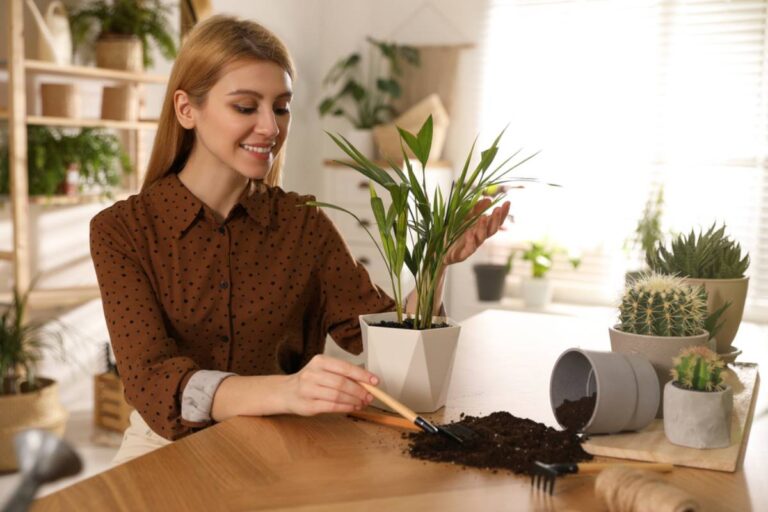
The couple she was helping had an impressive collection of plants, including delicate varieties that needed daily watering and careful attention. Their home also featured partially enclosed patio areas filled with greenery, creating a space that required more maintenance than someone might expect from an ordinary collection of houseplants. The neighbors were particularly concerned about keeping everything healthy because they wanted their property to look attractive when they eventually put it on the market. What started as a friendly favor was quickly becoming an unofficial gardening job.
There was another responsibility waiting alongside the watering cans, too. The neighbors had an outdoor cat that needed food, and the woman agreed to leave meals out for the animal while tidying up after it on the patio. Because she was allergic to cats, she tried to minimize direct contact while still making sure the animal was cared for. She was willing to accommodate these extra tasks because she genuinely wanted to help, but she had no idea how many weeks of work she was signing herself up for.
A Short Absence Suddenly Turned Into an Extended Stay Away
The couple’s original plans changed after they received an inheritance from the wife’s elderly grandmother. They took a vacation and began spending considerable time at the grandmother’s home in a neighboring state, which they expected might eventually become their permanent residence. Their absence continued far longer than the woman had anticipated, leaving her responsible for the plants and household tasks while the owners remained away. The few days she had volunteered for had quietly transformed into months of unpaid work.
The situation became even more complicated because the neighbors wanted to maintain their original home while preparing it for sale. Healthy plants and an attractive patio could help the property make a better impression on prospective buyers, so keeping everything in good condition became increasingly important to them. Meanwhile, the woman was still working long hours and trying to manage her own responsibilities without falling behind. The plants were thriving under her care, but the person caring for them was beginning to wilt.
Her Own Schedule Was Already Hanging by a Thread
Even before the gardening duties began, the woman struggled to find enough time to eat properly, exercise, or enjoy a peaceful evening at home. Her full-time job involved an exhausting commute, and she sometimes needed additional work to cover her expenses. By the time she returned home, she often had only a narrow window before heading out again for another shift. Every extra responsibility made that already fragile schedule harder to maintain.
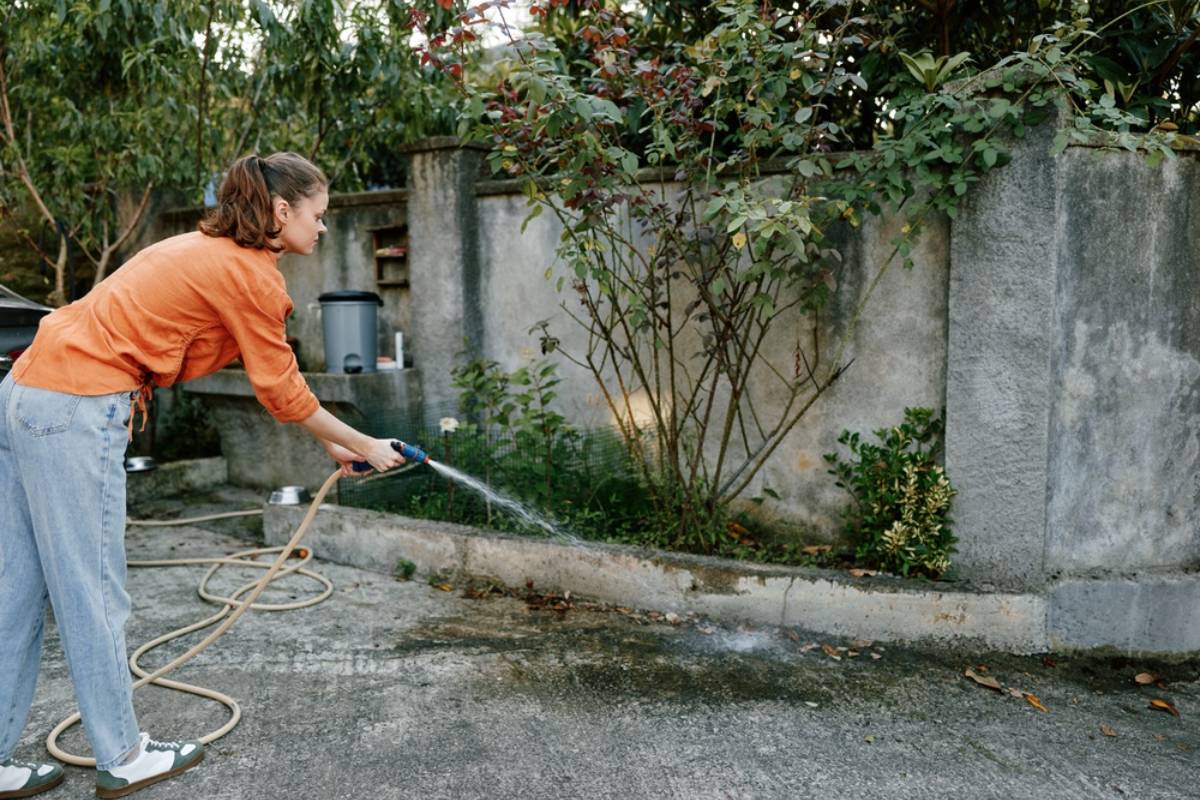
The daily trips to the neighbors’ home added another layer of pressure because their property was several blocks away. She frequently found herself rushing from work to water the plants, feed the cat, clean the patio, and then hurry off to her next job. Even a short visit could become stressful when she was watching the clock and worrying about being late somewhere else. Her calendar was beginning to resemble an overgrown garden, with every available space crowded by another obligation.
The Plants Were Getting Water, but She Was Missing Meals
One of the most troubling details was how often the woman prioritized the plants over her own basic needs. She explained that some mornings she barely woke up in time to get to work, leaving without breakfast or a packed lunch. After a long day, she might grab a quick snack before racing to the neighbors’ property and then heading straight to another shift. It was an exhausting routine in which the plants received their daily care while their caretaker struggled to find time for a proper meal.
Her situation was particularly frustrating because she was not being paid for the gardening work. She had offered to help out of kindness, never expecting that the arrangement would continue for months with no clear end date. The neighbors benefited from having someone reliable maintain their property, while she absorbed the cost in lost free time, added travel, and constant rushing. At some point, even the most generous gardener has to ask whether the people being cared for are the only ones whose needs matter.
Her Walk to the Neighbors’ House Became Her Only Exercise
The woman also wanted to exercise regularly and improve her own well-being, but her schedule left almost no room for either goal. Walking to the neighbors’ house and back was sometimes the only physical activity she managed during the day. Although the walk provided a little movement, it was not the relaxing exercise routine she had hoped to establish. Instead, it became another task squeezed between work shifts and household responsibilities.
As daylight hours grew shorter, finding time for gardening duties became even more inconvenient. She could technically continue making the visits, but doing so meant sacrificing some of the limited daylight she had available for herself. The arrangement was no longer simply about watering plants; it was interfering with the time she needed to recover from work and maintain a healthy routine. She was beginning to realize that a favor could be manageable in theory while becoming completely unsustainable in practice.
A Small Gardening Mistake Made Everything More Stressful
Things became even more uncomfortable when the woman made a minor mistake while caring for the neighbors’ property. Rather than treating it as an understandable mishap from someone helping out voluntarily, the wife quickly sent her a message reprimanding her. That reaction left the woman worried about what might happen if she made another mistake while exhausted and rushing between jobs. Suddenly, every watering visit carried the additional pressure of trying not to disappoint people who were expecting her to protect their investment.
Her concern was not that plants could never be damaged or that homeowners had no right to care about their property. She understood that delicate plants required attention and that the neighbors wanted their home to remain presentable. What troubled her was the combination of unpaid labor, an increasingly demanding schedule, and the fear of being blamed if something went wrong. The more responsibility she accepted, the more she felt she had to perform perfectly despite having very little time or energy left.
The Favor Had Quietly Become a Second Job
At first, helping the neighbors had felt like a generous gesture that strengthened the bond between people living nearby. Over time, however, the daily watering, feeding, and cleaning began to resemble a job with responsibilities but none of the usual benefits. There was no agreed schedule for when the arrangement would end, no payment for the time involved, and no clear plan for what would happen if she became unavailable. The neighbors might not have intended to take advantage of her, but the arrangement had developed into something that was clearly taking advantage of her limited free time.
The situation also highlighted a familiar problem with unpaid favors: once someone proves reliable, other people can begin treating that reliability as an unlimited resource. The woman had shown that she could handle the plants, so the couple continued depending on her while their plans changed. Yet her own life had not become any less demanding simply because the neighbors needed help. A garden may require daily attention, but that does not automatically make a neighbor responsible for providing it indefinitely.
Her Future Was Getting Lost Behind Someone Else’s Patio
Beyond the immediate exhaustion, the woman was worried about the bigger picture of her life. She wanted to spend meaningful time with her boyfriend and work toward marriage and children, but her days were consumed by jobs, commuting, and obligations that left little room for personal plans. At 37, she felt a growing urgency to make decisions about the future she wanted rather than remaining stuck in a routine that made her unhappy. Every additional evening spent tending someone else’s property felt like another piece of her own life being postponed.
The emotional strain was just as significant as the physical exhaustion. She was already unhappy with her primary job and felt underpaid after her responsibilities had changed considerably over the years. Taking on additional work was sometimes necessary, but volunteering for yet another recurring commitment had left her with even less control over her time. The neighbors’ plants were not the root of every problem in her life, but they had become a very visible reminder of how little space she was leaving for herself.
Other People Started Telling Her to Put Herself First
As the months passed, people around the woman began suggesting that she stop caring for the neighbors’ plants. They believed she had already done more than enough and needed to reclaim the time she was sacrificing. Their advice made sense to her, especially because she was struggling to balance work, meals, exercise, and her relationship. Still, she felt conflicted because she knew the couple was dealing with major changes and genuinely wanted their home maintained.
She also worried that withdrawing her help would make her seem selfish or unreliable. After all, she had agreed to care for the plants, and the neighbors were counting on her while they remained away. But there was a difference between honoring a reasonable commitment and allowing a temporary favor to continue without boundaries. The advice she received forced her to confront an uncomfortable question: was she helping her neighbors because she freely wanted to, or because she felt too guilty to stop?
The Neighbors Needed Help, but They Also Had Other Options
A response from a person would reasonably point out that the neighbors had legitimate concerns about their property and their delicate plants. Maintaining a home while preparing to sell it can involve considerable work, particularly when the owners are spending time in another state. They were not necessarily wrong to want their plants watered regularly or their patio kept clean. The problem was that their needs had become closely tied to the availability of someone who was already stretched far too thin.
There were other possibilities the couple could explore, including hiring a plant-care service, asking several neighbors to divide the responsibilities, or arranging for a paid house sitter. They could also reduce the amount of maintenance required by simplifying the collection or installing suitable automatic watering systems where appropriate. None of those solutions would necessarily be free or effortless, but they would distribute the responsibility more fairly. A person’s kindness should be appreciated as a gift, not treated as a permanent substitute for making other arrangements.
Setting Boundaries Did Not Mean She Had to Abandon the Plants Overnight
The woman did not necessarily need to disappear without warning or leave the neighbors scrambling to save their plants. A practical approach would be to explain that her work schedule had become too demanding and establish a firm date when she could no longer continue. Giving reasonable notice would allow the couple to arrange alternative care without leaving the plants unattended. It would also make clear that the problem was the unsustainable arrangement, not a personal desire to punish anyone.
If she still wanted to help occasionally, she could offer a limited schedule that genuinely fit her life rather than promising daily visits. However, she would need to be honest about what she could reliably manage, especially given her existing exhaustion and the earlier disagreement over a mistake. Any new arrangement should come with clear expectations about watering, cleaning, and the cat’s care. The goal would be to preserve goodwill where possible without continuing a routine that left her hungry, rushed, and anxious.
The Real Twist Was That She Was Afraid to Disappoint People Who Were Already Asking Too Much
The most revealing part of the story was not the number of plants or the distance to the neighbors’ house. It was the woman’s difficulty accepting that she could care about other people without taking responsibility for every problem they faced. She understood why the couple wanted their home maintained, and she did not want to abandon them during a complicated period. Yet her willingness to help had become so strong that she was struggling to recognize when the arrangement was hurting her.
A response from a person might emphasize that being a good neighbor does not require sacrificing meals, rest, relationships, and personal goals indefinitely. The couple’s circumstances deserved compassion, but so did hers. If maintaining a garden required another person to neglect their own well-being, the arrangement needed to change. Sometimes the healthiest thing a gardener can do is stop tending everyone else’s plot long enough to notice that their own life needs attention.
She Had to Decide Whether Kindness Still Counted When It Came at Her Expense
Ultimately, the woman was left weighing her desire to be dependable against her need to regain control of her time. She had agreed to a short-term favor and ended up carrying an ongoing responsibility that affected nearly every part of her daily routine. The neighbors’ plants might have looked beautiful, but keeping them that way was costing her more than she had ever intended to give. Her next step needed to reflect the reality of her circumstances rather than the guilt she felt about changing an arrangement that no longer worked.
The larger lesson is that generosity works best when it comes with honest communication and reasonable limits. Helping someone water a few plants can be a lovely gesture, but months of unpaid daily care are a different commitment altogether. The neighbors needed a dependable plan, and the woman needed enough time to eat, rest, work, and build the future she wanted. In the end, the most important thing she could nurture might not have been the plants on someone else’s patio, but the life she had been struggling to make room for.