A Woman Left Her In-Laws to Dog-Sit While She Went on Vacation, Then Returned to Find Her Roses Chopped Down, Her Favorite Tree Reduced to a Stump, and Her Entire Garden Unrecognizable
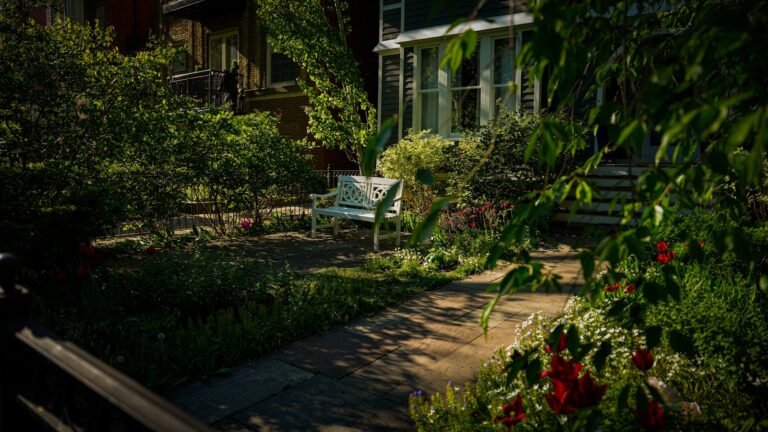
A woman and her husband had been looking forward to a relaxing week away from home, leaving their dog in the care of her in-laws. Their garden was small but full of character, with paved areas, raised flower beds, mature trees, roses, and flowering bushes that they had carefully maintained. Before leaving, they asked their in-laws to look after the dog and mentioned only one small household task involving the shed windows. They had no idea that their return would feel less like coming home and more like walking into someone else’s garden.
Her In-Laws Were Supposed to Watch the Dog, Not Redesign the Yard
The couple trusted the in-laws to stay at their house while they were away, expecting everything to be just as they had left it. Instead, the mother-in-law apparently saw the garden as an opportunity to tackle a landscaping project of her own. She had apparently decided that several plants needed attention, and her idea of helping quickly expanded beyond the original request. By the time the couple returned, the garden had undergone changes that nobody had discussed or approved.
The First Glance Revealed a Garden Missing Its Personality
The homeowner was devastated when she saw what had happened to the outdoor space she loved. One of the garden’s established trees had been cut down to a stump, while the rose bushes she had enjoyed tending were reduced to almost nothing. The other trees had been heavily pruned, and several flowering bushes had lost their blooms. What had once been a colorful, established garden suddenly looked bare and unfamiliar.
One Tree That Attracted Butterflies Was Suddenly Gone
The missing tree was particularly upsetting because it had offered much more than shade or decoration. The homeowner believed it was a mature buddleia, a flowering plant that had attracted butterflies during the summer and contributed to the garden’s biodiversity. It had grown to a substantial size, with a trunk roughly eight inches across and a height of around two to three meters. Seeing it reduced to a stump meant losing a familiar feature of the garden that could not simply be replaced overnight.
The Roses Had a Personal Story Behind Them
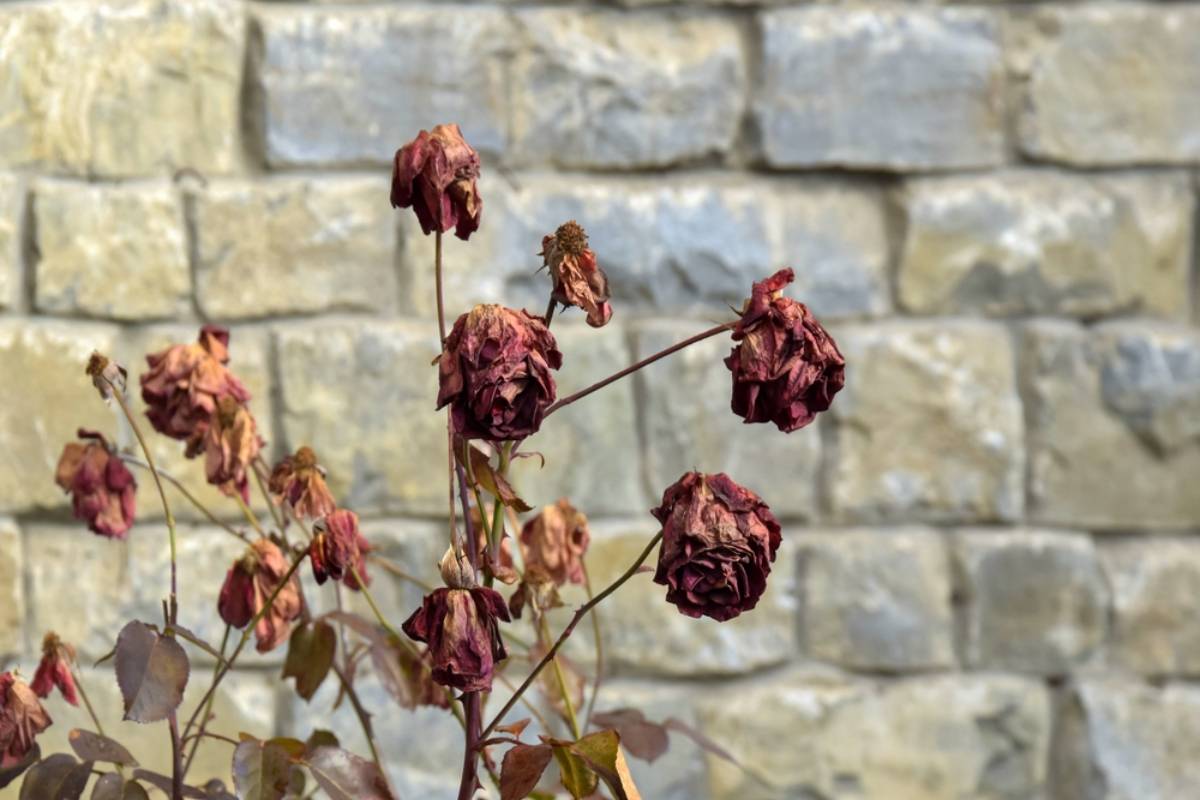
The roses were another heartbreaking discovery because they were not just ordinary plants to the homeowner. She enjoyed caring for them, and her uncle had been helping her maintain them, making the flowers part of a shared gardening experience. Now, the rose stems had been cut back to stumps only about three inches tall, leaving the trellis almost completely bare. Even if the plants eventually recovered, the loss of their existing growth and flowers was something a replacement plant could not immediately fix.
The Mother-in-Law Had Also Done Some Genuinely Helpful Things
The situation became more complicated because the mother-in-law had not spent the entire week causing damage. She had cleaned the house, changed the couple’s bedding, done laundry, and completed a few outdoor chores that were genuinely useful. She had also cut the small patch of grass at the back and pressure-washed the paving slabs. These thoughtful gestures made it harder for the homeowner to express her anger without feeling guilty, even though the most significant changes had never been requested.
Her Husband Was Just as Shocked by the Transformation
The homeowner initially worried that she might be overreacting, especially because she believed her in-laws had good intentions. However, her husband had not approved the landscaping either and was just as blindsided by the results. The couple had agreed to leave their dog in trusted hands, not to hand over control of their garden. Their shared shock made it clear that the problem was not simply a disagreement over gardening preferences, but a serious breach of trust.
The Mother-in-Law Tried to Explain Why the Tree Had to Go
When the husband spoke privately with his mother the following morning, he explained that making major changes to someone else’s property without permission was inappropriate. The mother-in-law said she had been pruning the tree and noticed that some branches appeared black inside, prompting a trip to a garden center for advice. According to her explanation, she had been told that the plant might have an insect infestation, and she believed the suspected bugs had been biting her. Rather than contacting the homeowners to discuss the concern, she apparently decided that removing the entire tree was the best solution.
The Puppy Became Part of the Explanation for the Missing Roses
The explanation for the rose bushes was equally surprising. The mother-in-law claimed that the couple’s four-month-old Labrador puppy had been chewing on the roses and had yelped after hurting herself on the thorns. The homeowner questioned why cutting down the roses had seemed like the logical answer, particularly because they were growing in a raised flower bed. From her perspective, supervising the curious puppy would have made far more sense than permanently altering a garden that belonged to someone else.
A Simple Question Helped the Husband Make His Point
During their conversation, the husband asked his mother to imagine how she would feel if someone entered her home and made major changes without asking. He suggested that they could repaint one of her rooms, remove a fence, or cut down a tree in her own garden while she was away. The comparison appeared to help her understand why the couple was so upset about what had happened. She acknowledged that they should have called or asked permission before making the changes.
The Apology Left the Homeowner Wanting Something More
Later, the mother-in-law spoke privately with the homeowner and apologized for how upset she was about the garden. Although the homeowner thanked her, the wording did not fully address the damage itself or acknowledge the pain caused by destroying plants she had cared for. The distinction mattered because being sorry that someone feels hurt is not quite the same as accepting responsibility for causing that hurt. The conversation remained civil, but it did not instantly repair the trust that had been lost.
A Trip to the Garden Center Offered a Small Ray of Hope
The in-laws eventually went to a garden center to look for replacements for the missing tree and roses. Unfortunately, they could not find the exact plants they wanted, leaving the couple with another problem to solve. The mother-in-law and father-in-law offered to buy replacement plants if the homeowners could locate suitable options themselves. It was a practical gesture, although replacing a mature plant or a cherished rose variety would not necessarily recreate the garden that had existed before their vacation.
The Homeowner Realized That Some Plants Might Still Survive
Not every part of the garden’s story was necessarily finished, however. After receiving suggestions from other people, the homeowner learned that roses cut back severely might still recover, depending on the variety and the condition of the remaining plant. Buddleia can also regrow vigorously after hard pruning, although the outcome depends on the plant’s health and circumstances. The possibility of new growth offered some hope, but it could not erase the disappointment of finding the garden stripped of its established character.
The Garden Was Not the Only Thing That Had Changed
The homeowner explained that the incident was part of a wider pattern in which her mother-in-law struggled to leave things alone when she believed she could improve them. The couple appreciated how much help the in-laws had provided when they worked on the house, and they generally considered them generous and caring people. However, gratitude for past kindness did not mean that the homeowners had to accept every decision made on their behalf. The garden had become a painful reminder that even well-intentioned help could cross a line when permission was never requested.
The Final Decision Was to Protect the Garden and Their Privacy
Although the family relationship eventually became civil again, the homeowner decided that she would not leave her in-laws alone in the house in the future. She also planned to stop asking them to dog-sit at her property, preferring arrangements that would not give them unsupervised access to the garden. The decision was not about winning an argument over landscaping, but about preventing another surprise that could permanently alter something she cared about. After one vacation, the couple had learned that protecting a garden sometimes means setting boundaries with the people who claim they are only trying to help.