Ants in Your Vegetable Garden: Allies or Adversaries?

Ants are a common sight in many vegetable gardens and can leave gardeners wondering whether to welcome these tiny creatures or wage war against them. While they might seem like merely a nuisance, ants can play both beneficial and detrimental roles in your garden ecosystem. So, are they friends or foes? Let’s explore the various ways ants can affect your vegetable patch and how to manage their presence.
Understanding Ant Behavior
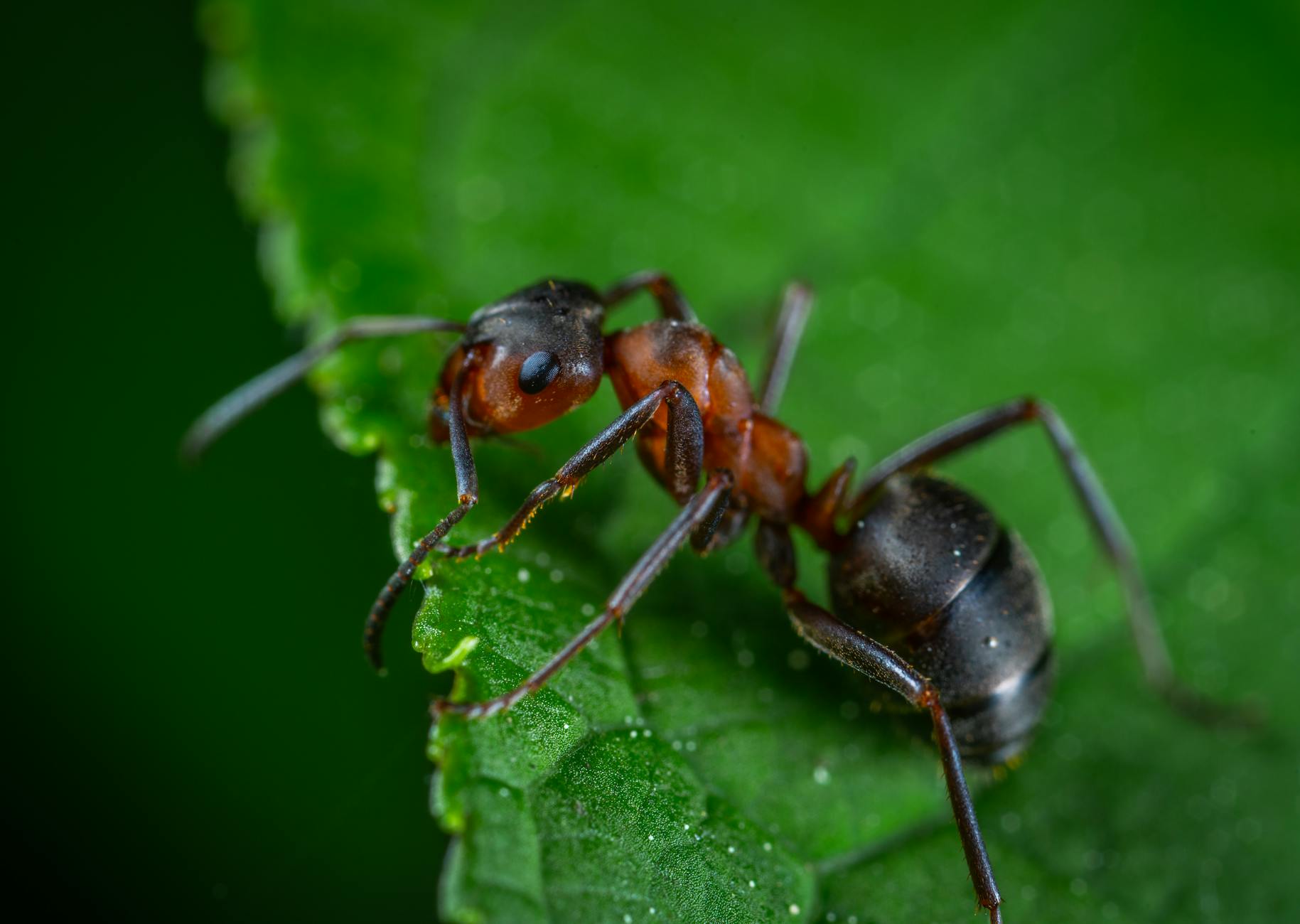
Ants are social insects that live in colonies, often numbering in the thousands. They are known for their industriousness and can be found carrying food, protecting their young, or even engaging in complex farming activities, such as tending to aphids. Understanding their behavior is key to determining how to manage them in your garden.
The Positive Side of Ants
1. Soil Aeration: Ants dig tunnels in the soil, which can help aerate it. This process improves water infiltration and root growth, promoting healthier plants. Their activities can create a more favorable environment for plant roots, particularly in compacted soils.
2. Pest Control: While ants may herd aphids for their honeydew, they also prey on other pests that can harm your garden plants. They can help control populations of caterpillars, beetles, and other insects that might otherwise damage your crops.
3. Seed Dispersal: Some ant species are known to carry seeds back to their nests, where they consume the attached nutrient-rich elaiosome. This behavior can help in the dispersal of native plants and improve biodiversity in your garden.
The Dark Side of Ants
1. Aphid Farming: While ants help control some pests, they are notorious for protecting aphids and mealybugs, which feed on your plants. By keeping these sap-sucking insects safe from predators, ants can inadvertently cause more harm than good.
2. Soil Disturbance: In large numbers, ants can disturb the soil around your plants. If they are tunneling too close to the roots, this might lead to root damage or even the uprooting of smaller plants.
3. Nesting Issues: Some ants build nests in your garden, which can disrupt root systems or create unsightly mounds. This can be particularly problematic in vegetable patches where you need a level planting area.
Identifying Ant Species
Before taking any action against ants in your garden, it’s essential to identify the species you’re dealing with. Common garden ants include:
Pavement Ants: Small, dark ants that often create nests in pavement cracks.
Carpenter Ants: Larger ants that can damage wood structures, though they typically prefer dead or decaying wood.
Sugar Ants: Attracted to sweets and often found foraging in gardens.
Identifying the species can help you understand their behaviors and determine whether they are more beneficial or harmful to your garden.
Managing Ant Populations
If you decide that the ants in your garden are causing more harm than good, there are several strategies you can employ to manage their populations effectively:
1. Natural Deterrents: Sprinkling diatomaceous earth around your plants can deter ants without harming beneficial insects. This natural powder is abrasive and can damage the exoskeletons of ants and other pests.
2. Boric Acid Baits: If you need to reduce ant populations, consider using boric acid baits. Mix equal parts of sugar, water, and boric acid, and place the mixture in small containers around your garden. The sugar attracts the ants, while the boric acid will help control their numbers.
3. Aphid Control: To reduce the food source for ants, focus on controlling aphid populations. Introduce beneficial insects like ladybugs or use insecticidal soap to keep aphids in check. Removing aphids will make your garden less appealing to ants.
4. Physical Barriers: Create barriers to prevent ants from reaching your plants. You can use sticky barriers or even a ring of soapy water around plants to deter ants from climbing.
5. Regular Monitoring: Keep an eye on the activity levels of ants in your garden. If you notice a sudden increase in their population, assess the situation promptly and take action to address any issues.
When to Call for Help
If you find that ant populations are unmanageable or if you suspect you have a more serious infestation (like carpenter ants in your home), it may be time to consult with a pest control professional. They can help identify the best course of action tailored to your specific situation.
Final Thoughts
While ants can be both friends and foes in your vegetable garden, understanding their role is crucial for effective management. By assessing their behavior and implementing appropriate strategies, you can create a thriving garden ecosystem that supports your vegetable plants and keeps unwanted pests at bay. Happy gardening!