Are You Overwatering Your Plants? Here’s What You Need to Know
As gardeners, we often hear that watering is key to plant health. However, many of us may be guilty of overwatering without even realizing it. Recent discussions among gardeners have revealed that many have been following outdated watering practices for years, leading to a host of problems for their plants. Are you one of them? Let’s explore the signs of overwatering, the best watering practices, and how to rescue your plants from the brink.
Understanding Overwatering
Overwatering happens when the soil is saturated with water, preventing oxygen from reaching the roots. This lack of oxygen can lead to root rot, fungal diseases, and overall poor plant health. While it may seem counterintuitive, many plants prefer to dry out slightly between waterings.
Signs of Overwatering
1. Yellowing Leaves: One of the most common signs of overwatering is yellowing leaves. If your plants are drooping and their leaves are turning yellow, it could indicate that they’re drowning.
2. Wilting: Ironically, overwatered plants may also wilt. This occurs when roots are damaged or overwhelmed by too much moisture and can’t absorb water properly.
3. Moldy Soil: If you notice a white, fuzzy mold on top of the soil, it’s a clear sign that the soil is staying too wet.
4. Root Rot: If you pull a plant from its pot and see black, mushy roots instead of firm, white roots, you’re likely dealing with root rot caused by overwatering.
5. Pests: Overly damp soil can attract pests like gnats and other insects that thrive in wet conditions.
Best Watering Practices
Now that you know the signs, it’s time to discuss how to properly water your plants to avoid overwatering.
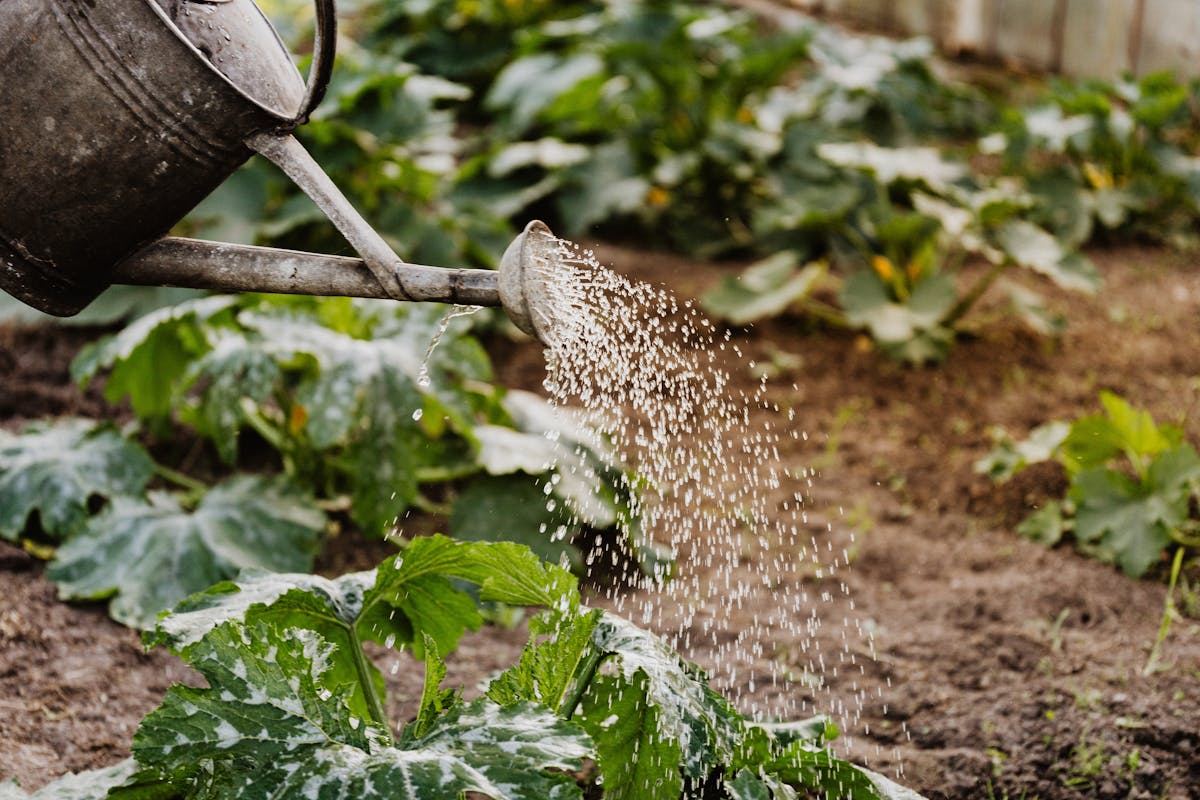
1. Know Your Plants: Different plants have different water needs. Research the specific requirements for each plant type. For example, succulents and cacti prefer drier conditions, while ferns thrive in consistently moist soil.
2. Check the Soil Moisture: Before watering, stick your finger into the soil about an inch deep. If it feels dry, it’s time to water. If it still feels moist, wait a few more days.
3. Water Deeply but Infrequently: Instead of frequent light waterings, which can encourage shallow root growth, water deeply and less often. This encourages roots to grow deeper into the soil, making your plants more resilient.
4. Use Proper Drainage: Ensure that your pots have drainage holes. If you’re planting in the ground, make sure the area drains well. Consider adding organic matter like compost to improve drainage.
5. Water in the Morning: Watering early in the morning allows plants to absorb moisture before the heat of the day causes evaporation. This practice also helps prevent fungal diseases that can occur with evening watering.
6. Adjust for Seasons: In cooler months, plants typically require less water, while in hot summer months, they may need more. Adjust your watering schedule accordingly.
7. Mulch Wisely: Applying a layer of mulch around your plants can help retain moisture while also preventing weed growth. However, ensure that mulch isn’t piled up against the plant stems, as this can trap moisture and lead to rot.
Rescuing Overwatered Plants
If you suspect your plants have been overwatered, there are steps you can take to help them recover:
1. Stop Watering: Allow the soil to dry out. Depending on how wet it is, this may take a few days to a couple of weeks.
2. Improve Drainage: If your plant is in a pot, consider repotting it in fresh soil with better drainage. If it’s in the ground, you may need to amend the soil to improve drainage.
3. Cut Away Damaged Roots: If you notice root rot upon inspection, use sterilized scissors to trim away the affected roots. Be gentle to avoid damaging healthy roots.
4. Reassess Your Watering Schedule: Once your plant has recovered, make sure to adjust your watering practices to prevent future issues.
Common Mistakes to Avoid
It’s easy to make mistakes when it comes to watering. Here are some common pitfalls to avoid:
1. Ignoring Soil Type: Different soils retain moisture differently. Sandy soils drain quickly, while clay soils retain water longer. Know your soil type and water accordingly.
2. Using a Timer: Relying on timers can lead to overwatering, especially if conditions change (like a sudden rainstorm). Always check soil moisture manually.
3. Watering on a Schedule: While routine watering can be beneficial, it can also lead to overwatering if the plants don’t need it. Always prioritize soil moisture over a set schedule.
4. Overlooking Environmental Factors: Factors like temperature, humidity, and wind can impact how quickly soil dries out. Take these into account when watering.
In summary, while watering is essential for plant health, it’s crucial to find the right balance. By understanding the signs of overwatering and following best practices, you can create a thriving garden that flourishes season after season. Happy gardening!