Are Your Drainage Holes Just for Show? Understand Their Role in Plant Health
Proper drainage is essential for the health of your plants, but how often do we stop to consider whether our pots and containers are truly doing their job? Many gardeners assume that drainage holes are a given, expecting them to effectively manage excess water. However, in reality, these holes might not be as effective as you think. Let’s dive into why drainage holes can fail and what you can do to ensure that your plants thrive.
Understanding the Purpose of Drainage Holes
At its core, the purpose of drainage holes is simple: to allow excess water to escape from the bottom of your pots. This prevents water from pooling at the roots, which can lead to root rot and other issues. However, several factors can influence how well these holes function.
1. Container Design and Material
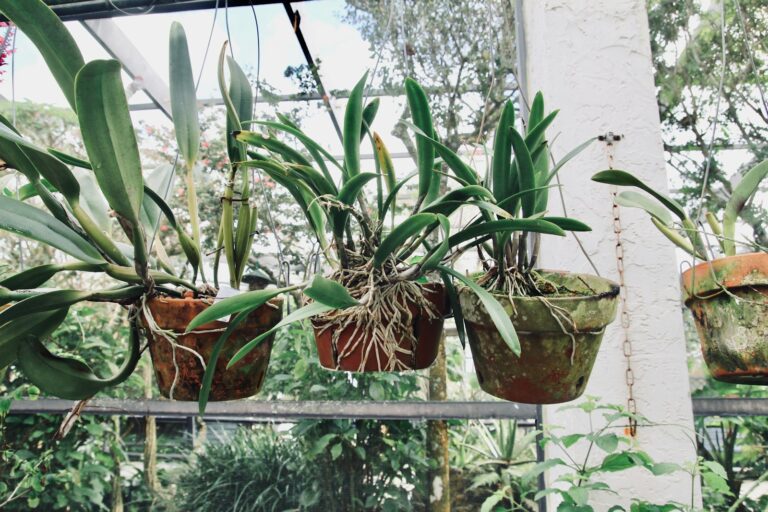
Not all pots are created equal. Some containers come with holes that are too small or poorly placed, which can hinder water flow. For instance, plastic pots might have tiny drainage holes that can easily get clogged with soil or roots. On the other hand, terracotta pots are porous and can absorb water, which might make them seem like they retain moisture but can lead to inadequate drainage if the holes are not properly designed.
What to Do: When selecting pots, choose those with larger, well-placed drainage holes. Consider investing in high-quality pots that are designed for optimal drainage.
2. Soil Composition
Your choice of soil plays a crucial role in drainage efficiency. Some potting mixes retain moisture better than others, which can exacerbate drainage problems. Heavy soils, such as those with high clay content, can become compacted, preventing water from flowing through the drainage holes effectively.
What to Do: Use a well-aerated potting mix that allows for good drainage. Look for mixes that contain perlite or vermiculite, which help improve aeration and drainage. Avoid using garden soil, which can be too dense for containers.
3. Overwatering
Even if your pots have excellent drainage, overwatering can still lead to problems. Many gardeners tend to water their plants more frequently than necessary, especially during cooler months when evaporation is slower. This can lead to waterlogged soil, regardless of whether drainage holes are present.
What to Do: Always check the moisture level of the soil before watering. Stick your finger about an inch into the soil; if it feels dry, it’s time to water. Be mindful of seasonal changes, as plants generally require less water in the fall and winter months.
4. Container Elevation
Sometimes, drainage holes can be ineffective simply because of how the pot is positioned. If a pot is sitting flat on a surface, water can pool at the bottom instead of draining out. This is particularly common with decorative trays that catch excess water.
What to Do: Elevate your pots slightly to allow water to flow freely from the drainage holes. You can use pot feet, small rocks, or even pieces of broken pottery to raise the container above the surface.
5. Clogged Drainage Holes
Over time, debris such as soil, roots, and even algae can build up in drainage holes, leading to blockages. This is especially common in outdoor containers that might collect leaves or dirt.
What to Do: Regularly check and clean your drainage holes to ensure they remain clear. If you notice any blockages, use a small stick or a pipe cleaner to remove debris.
6. Container Size and Plant Choice
The size of your pot in relation to your plant is another crucial factor. A pot that is too small can lead to faster soil drying and may not hold enough moisture, while an oversized pot can retain too much water, especially if the drainage holes are not effective.
What to Do: Choose a pot that is the right size for your plant. As a general guideline, a pot should be about 1-2 inches larger in diameter than the root ball of your plant. This encourages healthy growth while preventing issues with water retention.
7. Seasonal Considerations
As temperatures begin to drop in fall, many gardeners may forget that their watering habits should change accordingly. Plants typically require less water during cooler months, and drainage can be compromised if pots are still receiving the same amount of water as in the summer.
What to Do: Adjust your watering schedule with seasonal changes in mind. In fall and winter, reduce the frequency of watering, and always ensure that pots remain elevated to promote drainage.
8. Using a Layering Technique
While it’s essential to have good drainage, some gardeners attempt to create a “drainage layer” at the bottom of their pots with gravel or stones. While this might seem beneficial, it can actually create a barrier that prevents water from moving freely.
What to Do: Instead of adding a layer of gravel, focus on using a quality potting mix and ensuring that drainage holes are functioning properly. If you want to improve drainage, consider mixing in some perlite or sand directly into the soil.
By understanding the common pitfalls related to drainage holes and how they function, you can take proactive measures to ensure that your plants are not only surviving but thriving. With a little attention to detail and the right practices, your garden can flourish beautifully all season long. Happy gardening!