Arkansas Now Has 51 Counties Under Burn Bans as a Historic Drought Leaves Craighead County Needing More Than 15 Inches of Rain to Recover
A historic drought has left the fields, woods and yards of northeast Arkansas so dry that a single stray ember can turn into a wildfire. On Oct. 20, Craighead County Judge Marvin Day banned all outdoor burning in the county, joining what the Arkansas Department of Agriculture counted as 51 Arkansas counties under burn bans, KAIT reported. Federal climate data cited in that report show the Craighead County area would need more than 15 inches of rain in a month to recover from the historic drought.
For homeowners heading into leaf season, the ban changes how fall yard cleanup has to be handled across much of the state.
Craighead County Joins a Long List
Day told KAIT he issues a ban when local fire chiefs report that “things are out of hand and their resources are getting stretched too thin.” The Craighead County order covers all outdoor burning and stays in place until conditions improve and an official order lifts it.
Enforcement falls to the Craighead County Sheriff’s Office, fire district officials, the county Office of Emergency Management and Arkansas Forestry Services. Jackson, Poinsett, Clay, Cross, Cleburne, Lawrence, Woodruff, White and St. Francis counties were also under burn bans, according to the same report.
Day said he would like to see “an inch or two or three” of rain, and that the weather he watches most closely is low humidity combined with high wind, the conditions that let a small fire run.
How Dry Arkansas Has Become
The 51-county figure comes after a summer in which almost the entire state was under burn bans. On Aug. 20, the University of Arkansas System Division of Agriculture reported that all but six of Arkansas’s 75 counties were under a ban, with county judges issuing each order.
The dry spell has deep roots. Arkansas was last free of drought the week of July 22, 2025, according to an April 2026 Division of Agriculture weather outlook, and conditions intensified through the winter. Chris Buonanno, science officer at the National Weather Service office in Little Rock, said then that even normal rain for the rest of the year would leave the state behind.
Weekly maps from the U.S. Drought Monitor, produced by the National Drought Mitigation Center at the University of Nebraska-Lincoln, track how severe conditions are in each part of the state. The most recent map, valid Oct. 20, 2026, was released Oct. 22.
The more-than-15-inch figure for Craighead County comes from the National Centers for Environmental Information, which estimates how much precipitation an area would need to end its drought. The KAIT report framed that amount as rain needed within a single month.
Why Fall Leaves Raise the Stakes
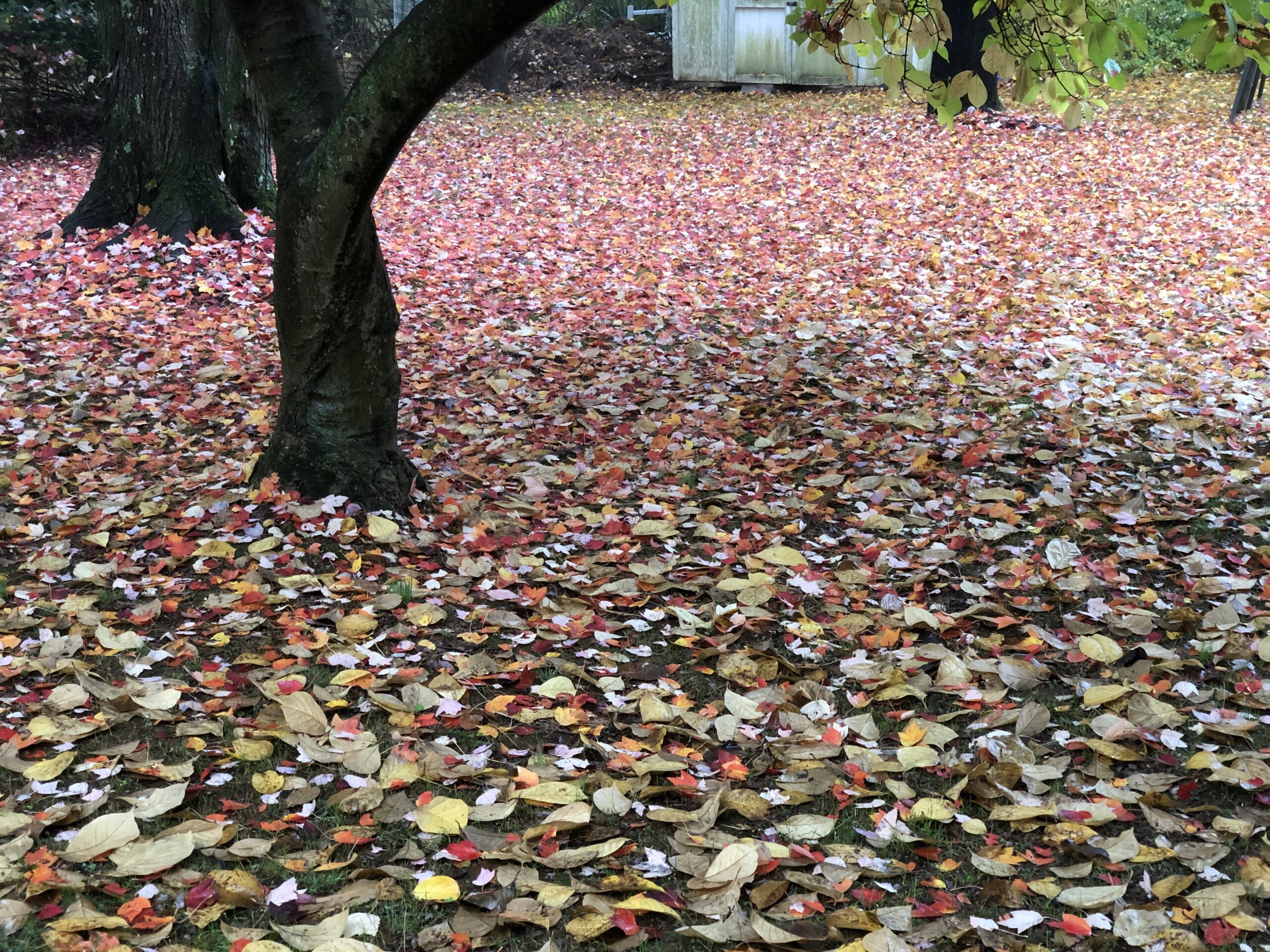
Dry leaves are one of the easiest fuels for a wildfire to find. Jaret Rushing, an extension forestry instructor with the Division of Agriculture, advised homeowners to clear all leaf litter from gutters, roofs, the ground beside the house and the rest of the yard, warning that “all it takes is one ember.”
Shane Gadberry, the division’s assistant vice president for agriculture and natural resources, said in the same release that people should avoid outdoor grilling, especially with charcoal, during dangerous conditions. He also advised mounting fire extinguishers on motorized equipment and checking tractors, side-by-sides and trucks for debris or bird nests that could ignite.
Backyard fires during a drought can get away from people quickly, as in the case of a neighbor’s drought-season bonfire that brought out the fire brigade. Fire chiefs in Craighead County were describing the same strain on their crews when Day signed the order.
Rushing’s advice went further than the bans themselves: even in counties without one, he urged residents to skip outdoor burning while conditions stay dry and windy.
Burning Rules That Still Apply After a Ban Lifts
Burn bans sit on top of rules that apply year-round. In Jonesboro, the county seat, burning trees and brush normally requires a call to the fire department at least 24 hours ahead, while leaf burning follows separate rules that do not require a call, KAIT reported, pointing residents to the city fire department’s guidance for details.
While the ban is in place, none of that applies: no leaf piles, no brush piles and no burn barrels anywhere in the county until officials lift the order.
Trash is a separate matter. The Arkansas Division of Environmental Quality says its open-burning rule bars burning “refuse, garbage, trade waste, or other waste material,” and that burn barrels count as residential outdoor burning. Yard waste burning is “strongly discouraged but permissible in some areas,” and whoever lights the fire is responsible for any smoke, odor or damage it causes.
Alternatives for Leaves and Brush
With burning off the table in 51 counties, the state’s environmental agency points to several other ways to deal with fall yard waste. The Division of Environmental Quality lists mulching grass clippings back into the lawn, renting a chipper for brush and prunings, separating yard waste for curbside collection where local governments offer it, and composting.
The agency calls composting “an effective, environmentally safe way to recycle yard waste,” and notes that finished compost can be worked into lawns, vegetable gardens and flower beds or spread as mulch around trees and shrubs. Leaves that go into a compost pile this fall become organic matter for next spring, part of the soil-building basics most gardens depend on.
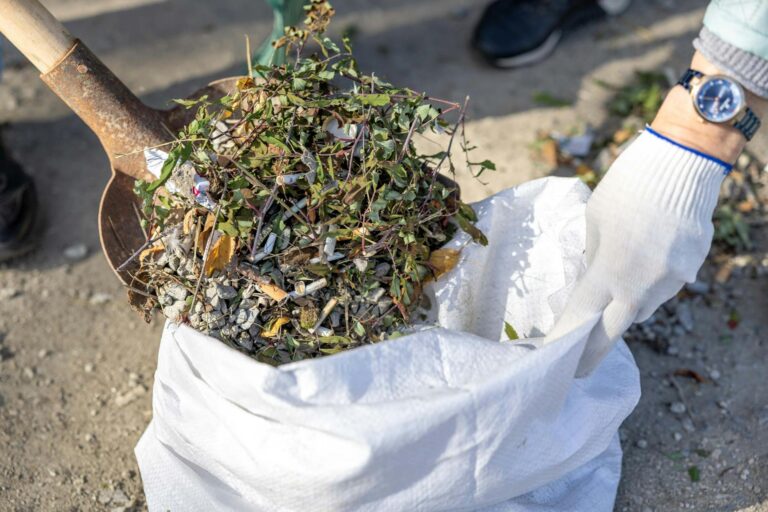
Bagging leaves also removes fuel from around the house, which is the step Rushing stressed most. Clearing gutters, roofs and the strip of ground along the foundation shrinks the target for an ember carried on the wind.
Craighead County’s ban will stay in effect until officials decide the drought has eased. With the county needing more than 15 inches of rain to make up the deficit, that decision may take a while.
Get stories like this by email. Sign up for The Parent Diaries Letter.
This article was produced with AI assistance and edited for accuracy against the sources linked above.
Image: Famartin – CC BY-SA 4.0/Wikimedia Commons