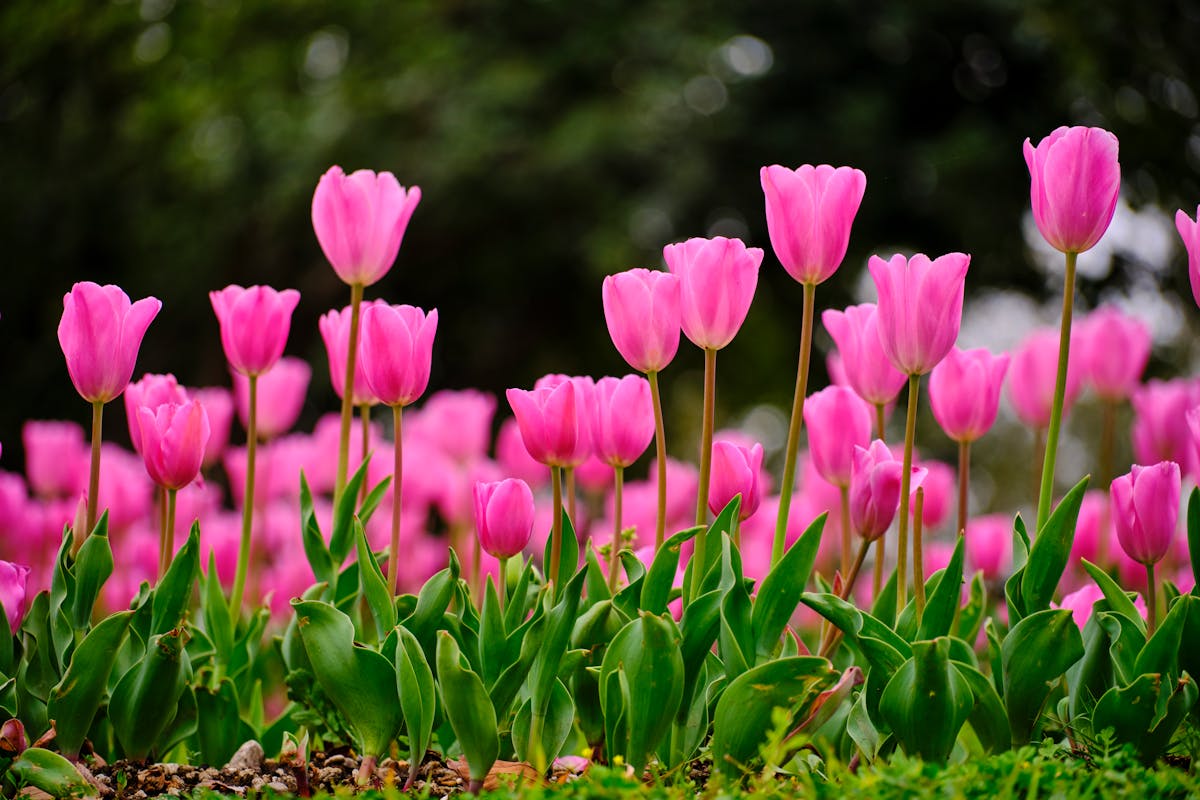
Avoid the First Warm Day Trap: Essential Tips for a Thriving Spring Garden
As winter fades and the first warm day of spring emerges, many gardeners feel a surge of excitement and motivation. The sun shines brighter, birds chirp merrily, and the prospect of nurturing a lush garden seems just within reach. However, this initial enthusiasm can lead to a common mistake that could set your garden back weeks. Understanding the nuances of spring gardening is crucial to ensure your plants thrive. Here’s how to navigate the early days of the growing season wisely.
Understanding the First Warm Day Phenomenon
The first warm day of spring can be deceiving. While it may feel like the perfect time to start planting, many areas still experience frosts, particularly in early spring. Depending on your region, the last frost date can vary significantly; for instance, gardeners in USDA Zones 3 and 4 may face frosts well into May, while those in Zones 7 and 8 typically enjoy milder temperatures earlier in the season.
Before rushing to sow seeds or transplant seedlings, it’s essential to pay attention to local weather forecasts. A sudden drop in temperature can be detrimental to tender plants, leading to stunted growth or complete failure.
Timing Your Planting
Patience is a virtue when it comes to gardening. The first warm day can give the impression that spring has fully arrived, but the soil temperature plays a crucial role in determining when to plant.
1. Check Soil Temperature: Most warm-season crops, such as tomatoes and peppers, thrive in soil temperatures of at least 60°F. You can use a soil thermometer to check the temperature a few inches below the surface. If it’s too cold, consider delaying planting or starting seeds indoors.
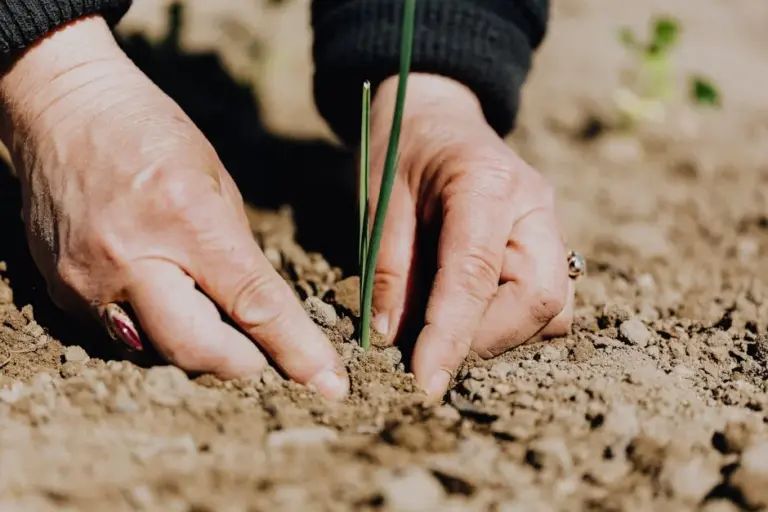
2. Consider Cool-Season Crops: While you might be tempted to plant everything at once, take a moment to assess the types of plants suitable for your climate. Cool-season crops like peas, lettuce, and spinach can be sown earlier, as they can tolerate cooler temperatures. These crops can be planted as soon as the soil is workable, often weeks before the last frost date.
3. Succession Planting: To maximize your harvest, consider succession planting. Start your first batch of cool-season crops, and once they are established, follow with warm-season varieties. This staggering approach can help you avoid the pitfalls of an early warm day.
Preparing Your Garden Bed
Once you’ve determined the right time to plant, focus on preparing your garden beds. The first warm days provide an excellent opportunity to clean up your garden space, but don’t be too hasty.
1. Clear Debris: Remove any leaves, twigs, or debris that may have accumulated over the winter. This not only tidies up the space but also reduces hiding spots for pests and disease.
2. Soil Amendments: Spring is the perfect time to enrich your soil. Test your soil for pH and nutrient levels, and based on the results, consider adding compost, aged manure, or other organic matter to improve soil structure and fertility.
3. Weed Control: Early spring is also when weeds begin to emerge. A proactive approach to weeding now can prevent them from competing with your plants later. Consider mulching after planting to further suppress weeds.
Avoiding Over-eager Mistakes
It’s easy to get carried away with the excitement of the garden awakening. Here are some common mistakes to avoid:
1. Overplanting: In the eagerness to start gardening, many people plant too much too soon. It’s better to start small and expand as you gain confidence and understand your garden’s needs.
2. Ignoring Frost Dates: Always keep frost dates in mind, even as the weather warms. Protecting tender plants with row covers or cloches can help shield them from unexpected cold snaps.
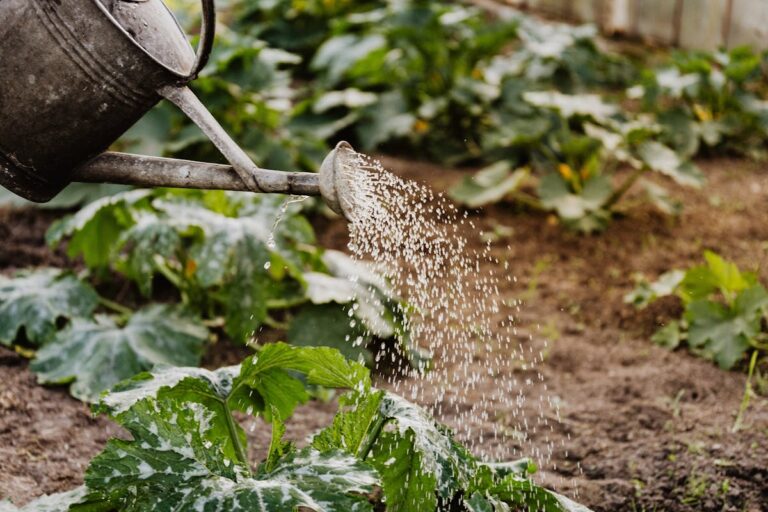
3. Neglecting Watering Needs: As temperatures rise, so does the need for water. Newly planted seeds and seedlings require consistent moisture to establish roots. Just remember not to overwater; soggy soil can lead to root rot.
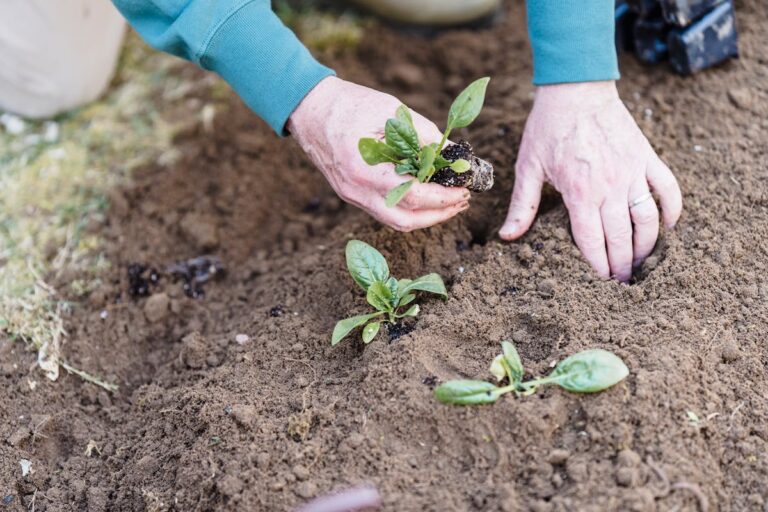
4. Skipping Hardening Off: If you started plants indoors, don’t forget to harden them off before transplanting them outdoors. Gradually acclimate them to outdoor conditions by placing them outside for a few hours each day, slowly increasing the time over a week.
Nurturing Your Garden Through Spring
Once you’ve successfully navigated the potential pitfalls of the first warm day, it’s time to focus on nurturing your garden. Regular monitoring for pests and disease, appropriate watering, and ongoing soil care will ensure your plants flourish as the season progresses.
Consider joining local gardening groups or forums to share experiences and learn from others in your area. These communities can offer valuable insights into what works best in your specific climate and soil conditions.
In summary, while the first warm day of spring is undoubtedly a signal to start gardening, it’s essential to approach it with caution and preparation. By understanding your local climate, timing your planting wisely, preparing your garden bed, and avoiding common mistakes, you can set your garden up for a successful and bountiful season. Happy gardening!