Avoid These Common February Pruning Mistakes to Ensure a Blooming Summer Garden
February is a pivotal month for home gardeners across North America. As winter fades and spring approaches, many are eager to get outside and tend to their gardens. Pruning in February can set the stage for a vibrant summer garden filled with flowers, but it’s also a time when mistakes can easily be made. Here are some common pruning missteps that can cost you blooms all summer long and how to avoid them.
Understanding the Right Time to Prune
Before diving into the mistakes, it’s crucial to understand the appropriate timing for pruning. February is generally a good time for many deciduous trees and shrubs while they are still dormant. However, specific timing can depend on your USDA zone. If you’re in a warmer zone, you may need to prune earlier, whereas colder zones may require waiting until later in the month. Always consult local gardening resources for advice tailored to your area.
Mistake #1: Pruning Too Early
One of the most significant mistakes gardeners make is pruning too early in the season. While it might be tempting to get started as soon as the weather warms slightly, doing so can expose tender branches to frost damage. Wait until the threat of hard frost has passed, typically around the end of February or early March, to ensure that you don’t lose the new growth that would otherwise flourish in the spring.
Mistake #2: Not Understanding Plant Types
Different plants require different pruning techniques. For example, spring-flowering shrubs like forsythia and lilacs should be pruned right after they bloom to avoid cutting off next year’s flowers. Conversely, summer-flowering plants like butterfly bushes and hydrangeas benefit from pruning in late winter or early spring before they put out new growth. Familiarizing yourself with the specific needs of each plant type is essential for successful pruning.
Mistake #3: Over-Pruning
Less is often more when it comes to pruning. Beginners frequently make the mistake of over-pruning, which can lead to a lack of blooms. Aim to remove only 25-30% of a plant’s total foliage. This encourages healthy growth and flowering without shocking the plant. Also, focus on removing dead or damaged branches first, as this will improve air circulation and sunlight penetration, promoting a healthier plant overall.
Mistake #4: Using Dull or Improper Tools
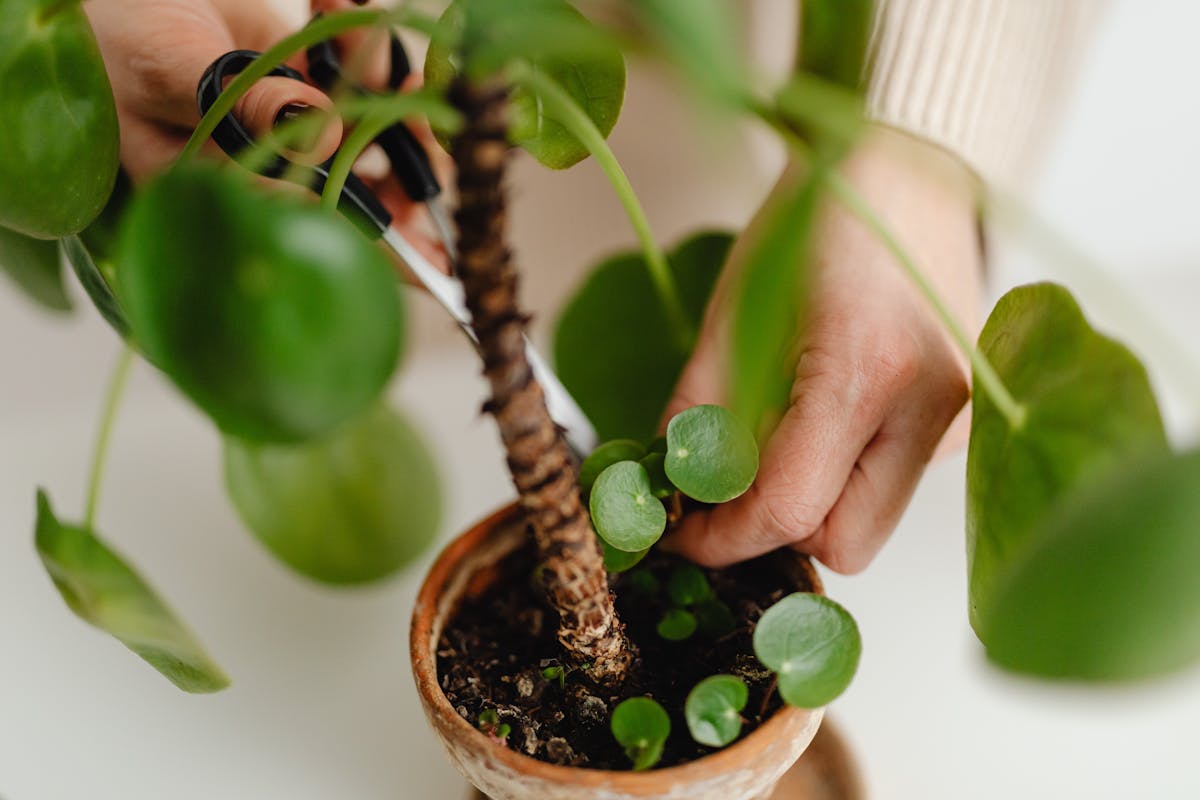
Pruning with the wrong tools or dull blades can cause damage to your plants. Always use clean, sharp pruning shears or loppers, and ensure they are appropriate for the size of the branches you’re cutting. Dull tools can crush branches instead of cutting cleanly, leading to open wounds that are susceptible to disease. Clean your tools with rubbing alcohol between different plants to prevent the spread of pathogens.
Mistake #5: Ignoring Plant Health Signs
Before you start pruning, take a moment to assess the health of your plants. Look for signs of disease, pests, or distress, such as discolored leaves, wilting, or unusual growth patterns. If a plant appears unhealthy, it might be better to hold off on pruning until it recovers. Removing too many branches from a stressed plant can exacerbate its issues and prevent it from thriving in the coming season.
Mistake #6: Not Following the Natural Shape
Every plant has a natural growth habit. Pruning against this natural shape can lead to awkward growth patterns and reduced flowering. When pruning, step back occasionally to assess the overall shape of the plant. Aim to maintain its natural silhouette while removing any crossing or inward-growing branches that can obstruct airflow.
Mistake #7: Forgetting About Safety
While pruning is generally safe, certain precautions are necessary. Always wear gloves and eye protection, especially when working with thorny plants or tall shrubs. If you’re using a ladder for higher branches, ensure that it’s stable and that someone is nearby to assist if needed. Safety should never be compromised for the sake of a well-pruned plant.
Mistake #8: Neglecting Clean-Up
Once you’ve finished pruning, it’s crucial to clean up the debris. Fallen branches and leaves can harbor pests and diseases, leading to problems in your garden later in the season. Properly dispose of or compost plant material, especially if you notice any signs of disease. A clean garden space encourages better growth and a healthier environment for your plants.
Pruning Tips for Success
Use the “three-cut method” for larger branches: Make a small undercut about 6-12 inches from the trunk, then make a top cut to prevent tearing the bark. Lastly, make a final cut just outside the branch collar.
Always prune on a dry day to minimize the risk of disease.
Consider the plant’s ultimate size when pruning; avoid cutting back too much if the plant is still young and establishing itself.
Make note of your plants’ flowering times and pruning needs in a garden journal for next year’s reference.
By avoiding these common February pruning mistakes, you’ll set your garden up for success and enjoy an abundance of flowers all summer long. Happy gardening!