“Avoid These Common Mistakes After Bringing Home Your New Plants”
When you finally bring home that beautiful new plant, it’s easy to feel excited and dive right into making it part of your home or garden. However, many new plant parents unknowingly make mistakes that can lead to the rapid decline of their green friends. Whether you’re a beginner or have a bit of experience under your belt, understanding the right steps to take after purchasing a plant can help ensure its health and longevity. Here’s what to avoid to prevent your new plant from crashing.
Understanding Your New Plant
First things first: it’s essential to understand a little about the plant you’ve just brought home. Each species has its own unique requirements in terms of light, water, humidity, and temperature. Before you even head to the checkout, do a bit of research to familiarize yourself with its needs. Also, take note of the conditions in your home or garden to ensure they align.
Common Mistakes to Avoid
1. Skipping the Acclimatization Process
One of the most significant mistakes new plant owners make is failing to acclimate their plants to their new environment. Plants can experience shock after moving from one location to another, especially if there’s a significant difference in light or temperature. To help your plant adjust, keep it in a shaded area for a few days before exposing it to direct sunlight. Gradually increase its exposure to brighter light over a week or so.
2. Overwatering Right Away
It can be tempting to give your new plant a good drink as soon as you get it home. However, most plants come from nurseries where they’ve been well-cared for and may already have sufficient moisture in their soil. Overwatering is a common cause of plant decline and can lead to root rot. Instead, check the moisture level of the soil before watering. Insert your finger about an inch into the soil; if it feels damp, hold off on watering for a few days to let it dry out.
3. Neglecting Potting Needs
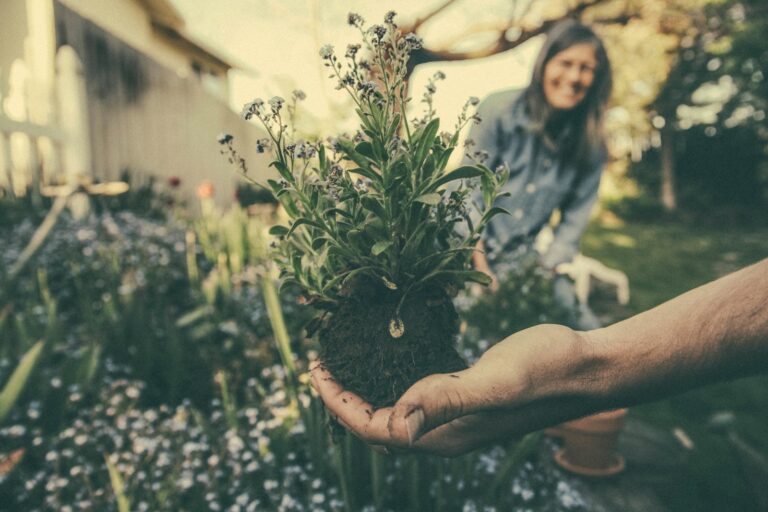
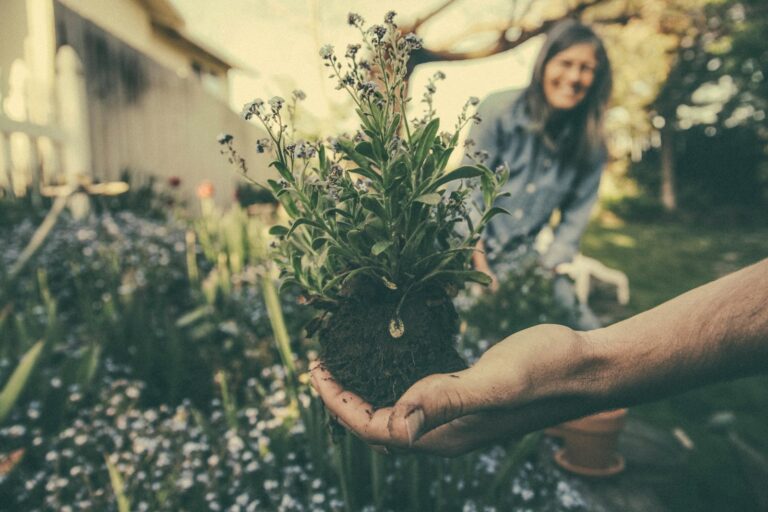
If you’ve purchased a potted plant, it’s essential to check whether it needs repotting. Often, plants are sold in small containers that can restrict their growth. However, repotting should be done carefully. Choose a pot that is one size larger and use fresh potting soil suitable for your plant type. Be sure to gently loosen any tightly bound roots before placing it in its new pot.
4. Ignoring Pest Checks
New plants can sometimes carry pests or diseases from the nursery. When you get home, inspect your plant carefully. Look under the leaves, along the stems, and in the soil for any signs of pests like aphids or spider mites. If you notice any pests, take immediate action by treating the plant with organic insecticidal soap or neem oil.
5. Placing in the Wrong Location
Lighting is one of the most critical factors in plant health. Many new plant owners make the error of placing their plants in a location without considering their light requirements. For example, succulents and cacti thrive in bright, direct sunlight, while ferns prefer indirect light. Take the time to observe where your plant will thrive best, and adjust its placement accordingly.
6. Forgetting About Humidity and Temperature
Temperature and humidity levels can significantly impact your plant’s health. Many houseplants come from tropical regions and prefer higher humidity levels. If your home is dry, especially during winter months, consider using a humidifier or placing a tray of water with pebbles near your plant. Additionally, avoid placing your plant near heating vents or drafty windows that can cause temperature fluctuations.
7. Over-Fertilizing Too Soon
While it’s essential to feed your plants to encourage growth, many new plant owners make the mistake of fertilizing immediately after bringing a plant home. This can stress the plant, especially if it’s still acclimating. It’s best to wait at least a month before introducing fertilizer, allowing the plant to settle in and establish its roots. When you do start fertilizing, follow the recommended dosage on the fertilizer package.
8. Neglecting Regular Monitoring
Once your plant is settled in, make it a habit to check on it regularly. Look for signs of stress, such as yellowing leaves, wilting, or stunted growth. Early detection of issues can help you address them before they become severe. This includes monitoring soil moisture, light conditions, and any pest activity.
Tips for Long-Term Care
After overcoming the initial challenges of bringing home a new plant, maintaining its health becomes a rewarding journey. Here are some long-term care tips:
Watering Routine: Establish a regular watering schedule based on your plant’s specific needs. Most plants prefer to dry out a bit between waterings, so keep an eye on the soil moisture.
Seasonal Care: Be mindful of seasonal changes. Many plants have different requirements during the growing season (spring and summer) versus the dormant season (fall and winter). Adjust your care routine accordingly.
Pruning and Cleaning: Regularly prune dead or yellowing leaves to encourage new growth. Dust leaves to enhance photosynthesis and overall plant health.
Rotate Your Plants: If your plants are indoors, consider rotating them every few weeks. This helps them grow evenly, as plants will naturally lean towards the light source.
By avoiding these common pitfalls and giving your new plant the care it needs from the start, you can create a thriving environment for your green companion. Watch it flourish and enjoy the beauty it brings to your home or garden!