Avoid These Seeds: What Not to Start in February for a Thriving Garden
As winter’s grip begins to loosen and the days grow longer, many home gardeners feel the itch to dig in the dirt and get their gardens going. But before you rush to sow seeds in February, it’s crucial to know which plants should wait a little longer. Starting seeds too early can lead to weak, leggy seedlings or, worse yet, a garden that fails to thrive. Here’s a guide to help you avoid common pitfalls and ensure your spring planting is successful.
Understanding the Timing
February can be a confusing month for gardeners. In many regions, particularly in the southern parts of the U.S., it might feel warm enough to start planting. However, for most gardeners in North America—especially those in USDA zones 3 through 6—February is still too early for many crops. The general rule of thumb is to wait until the last frost date for your area, which can range from late March to late May, depending on your location.
If you’re unsure about your specific frost dates, check with your local extension service or gardening center. This will help you determine when it’s safe to start planting outdoors.
Seeds to Avoid Planting in February
1. Tomatoes
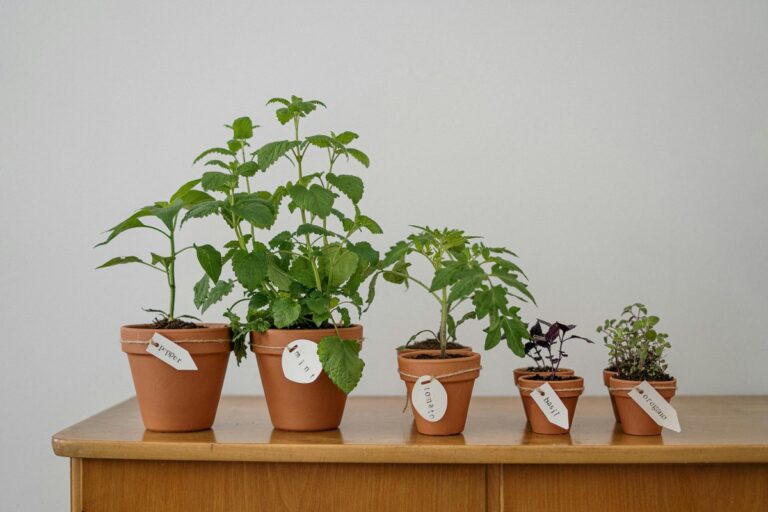
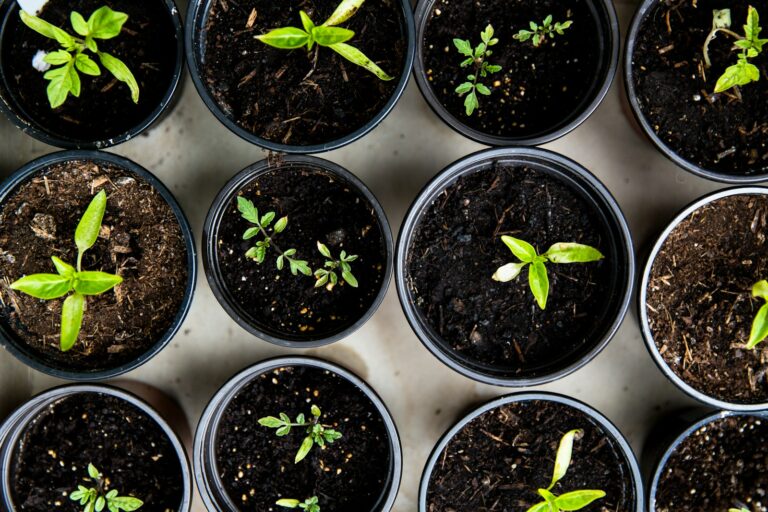
While many gardeners are eager to get started with tomatoes, they are best started indoors 6 to 8 weeks before the last frost date. In February, you may be tempted to sow seeds directly in pots, but this can lead to overgrown seedlings by the time it’s warm enough to transplant them outdoors. Instead, aim for a late March or early April sowing indoors to give them the best chance of success.
2. Peppers
Similar to tomatoes, peppers require a warm growing season. They are best started indoors around the same time as tomatoes—about 8 to 10 weeks before the last frost. Starting them in February may result in spindly, weak plants that won’t perform well once they are transplanted.
3. Cucumbers
Cucumbers thrive in warm soil and should not be started too early. They can be sown directly outdoors after the last frost date when the soil has warmed, or you can start them indoors about 3 to 4 weeks before planting them outside. Starting them in February may lead to seedlings that outgrow their containers before they can go outside.
4. Squash
Like cucumbers, squash should wait until after the last frost to be planted outdoors. If you start them indoors too early, they can become leggy and stressed. Aim for direct sowing or starting indoors just a few weeks before it’s time to plant outside.
5. Beans
Beans are another crop that should not be started inside. They are sensitive to frost and will not germinate well in cold soil. Wait until the danger of frost has passed, typically in late spring, to sow them directly.
6. Melons
Melons, such as cantaloupe and watermelon, prefer warm temperatures and should be started indoors only 3 to 4 weeks before your last frost date. Planting them too early can lead to weak plants that may not adapt well when moved outside.
7. Corn
Corn is best sown directly into the ground once the soil temperature has reached at least 60°F. Planting corn indoors in February can lead to overgrown seedlings that won’t thrive when transplanted. Wait until late spring for the best results.
8. Herbs
While many herbs can be started indoors, some, like basil, should wait until closer to the last frost date. Starting basil and other tender herbs too early can lead to weak growth. Consider starting herbs about 4 to 6 weeks before the last frost for the best outcomes.
Tips for Successful Seed Starting
Use Quality Seed-Starting Mix: A good mix will provide the right aeration and moisture retention for your seeds.
Provide Adequate Light: If you’re starting seeds indoors, ensure they have plenty of light to prevent leggy growth. Consider using grow lights if natural light is insufficient.
Monitor Moisture Levels: Keep the soil consistently moist but not soggy. Overwatering can lead to damping off, a fungal disease that can kill seedlings.
Thinning Seedlings: Once your seeds have germinated and developed true leaves, thin them out to prevent overcrowding, which can lead to competition for nutrients and light.
Harden Off Your Seedlings: Before transplanting outdoors, gradually acclimate your seedlings to outdoor conditions over a week to ten days to reduce transplant shock.
By understanding which seeds to avoid starting in February, you can set yourself up for a successful gardening season. Patience is key: waiting for the right time to plant will help you grow robust and healthy plants that are ready to flourish in your garden. Remember, gardening is as much about timing as it is about planting, so take your time and enjoy the process!