Avoid This Common Spring Pruning Error to Ensure Vibrant Summer Blooms
As the winter chill begins to wane and the first hints of spring emerge, many gardeners feel a familiar urge to tidy up their gardens. It’s a time for renewal, and for many, that means pruning. However, one common mistake can diminish your summer blooms and leave you frustrated. Let’s explore the early spring pruning error that could cost you a vibrant garden this summer.
UNDERSTANDING THE TIMING OF PRUNING
Pruning is essential for maintaining healthy plants, promoting growth, and managing the shape of your garden. However, not all plants benefit from being pruned at the same time. As spring approaches, it’s crucial to know the right timing for pruning various species. Some plants bloom on old wood, while others bloom on new growth.
For instance, if you prune spring-blooming shrubs like lilacs, azaleas, or dogwoods too early, you risk cutting off the flower buds that formed the previous year. These plants typically bloom in early spring, and pruning them before they flower means sacrificing those beautiful blooms. Instead, wait until after they finish blooming to prune, which is usually in late spring or early summer.
PRUNING MISTAKES TO AVOID
1. Pruning Too Early: As previously mentioned, pruning spring-blooming plants too early is a common mistake. To avoid this, familiarize yourself with the blooming habits of your plants. Take note of which ones bloom in spring and which ones bloom in summer or fall.
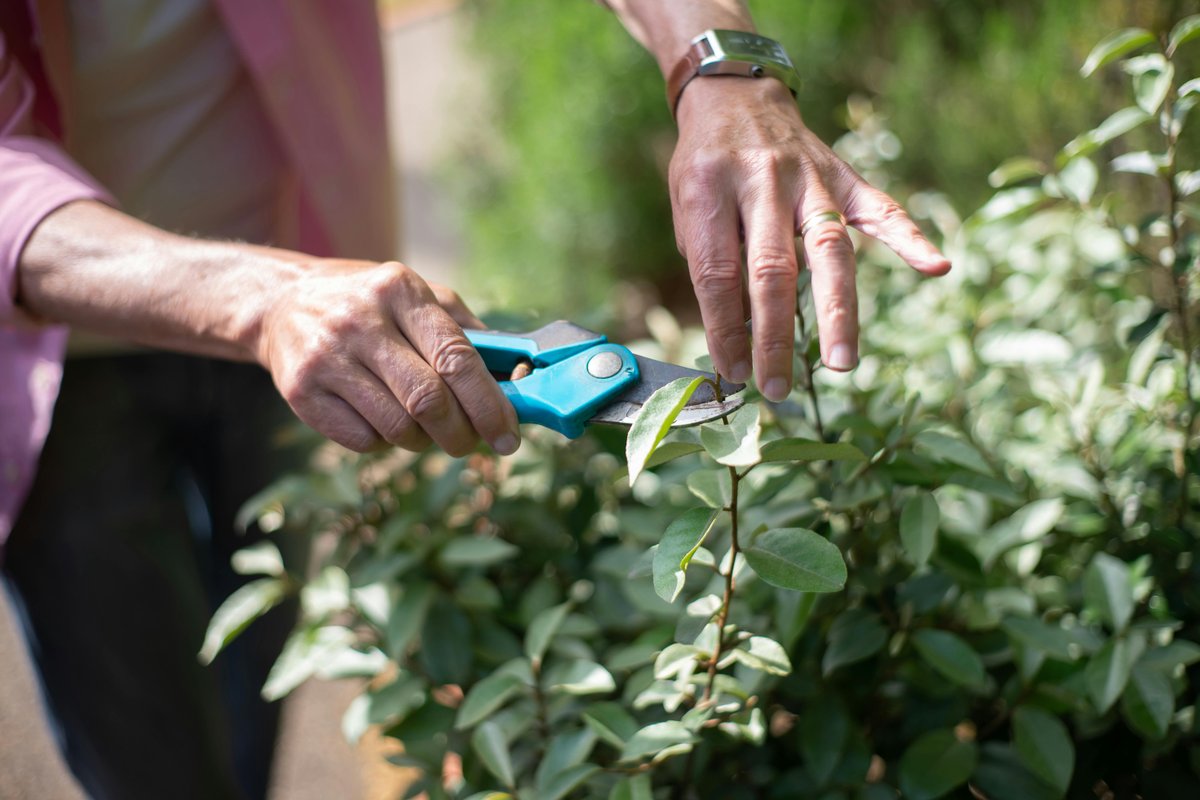
2. Using Dull Tools: Sharp tools are essential for effective pruning. Dull shears can crush stems, leading to disease and a less tidy appearance. Always sharpen your pruning tools before use, and clean them between plants to prevent the spread of disease.
3. Over-Pruning: It can be tempting to prune heavily in the spring to encourage new growth, but over-pruning can stress your plants. Aim to remove only about 20-30% of the plant’s total growth during a single pruning session. This is especially important for flowering plants, as excessive pruning can reduce flowering significantly.
4. Ignoring Plant Health: Always assess the health of your plants before pruning. Look for dead, diseased, or damaged branches that need to be removed. This should be your priority during early spring pruning. Healthy plants can withstand some pruning, but sickly plants may become further stressed by it.
5. Neglecting Timing for Different Species: Each species has its own ideal pruning time. For example, summer-blooming shrubs like butterfly bush and goldflame spirea can be pruned in early spring. Conversely, plants that bloom in spring, like forsythia and rhododendrons, should be pruned right after they flower. Understanding these differences is key to successful gardening.
PROPER PRUNING TECHNIQUES
To ensure you’re pruning correctly, follow these tips:
Make Clean Cuts: Use sharp, clean pruning shears. Cut at a 45-degree angle just above a bud or node. This promotes healing and encourages healthy growth.
Remove Crossing Branches: Identify branches that cross each other and remove one to prevent damage and allow better air circulation.
Focus on Shape: Rather than just cutting back, consider the overall shape of the plant. Aim for a natural look that allows light to reach the interior of the plant.
Step Back and Assess: After making your cuts, step back and evaluate the plant. This will help you see if it needs any additional pruning or if you’ve removed too much.
PLANTS THAT BENEFIT FROM EARLY SPRING PRUNING
While many plants should be pruned after blooming, some thrive with early spring pruning. Here are a few examples:
Summer-Blooming Shrubs: As previously mentioned, plants like butterfly bush and spirea benefit from early spring pruning, which encourages robust growth and vibrant flowers.
Perennials: Some perennials, like peonies and daylilies, can be cut back in early spring to promote new growth. Be cautious with timing, as cutting back too early can expose plants to late frosts.
Trees and Vines: Certain trees like maple and birch should be pruned in late winter or early spring before they leaf out. Similarly, many climbing vines, such as clematis, benefit from early spring pruning to encourage vigorous growth.
FINAL THOUGHTS ON SPRING PRUNING
By avoiding these common pruning mistakes and understanding the unique needs of your plants, you can set the stage for a flourishing summer garden. Take the time to research your specific varieties and their blooming patterns, and remember that a little patience in spring can lead to a bounty of vibrant blooms come summer. Happy gardening!