“Avoiding Pitfalls: The Money-Wasting Plants You Should Skip at Garden Centers”
As home gardeners, we often find ourselves enchanted by the colorful displays at garden centers, eager to bring a touch of nature into our lives. However, not all plants are created equal, and some can be more of a financial drain than a thriving addition to your garden. Experienced growers have shared their insights on which plants may not be worth your hard-earned money. Here’s a guide to help you avoid the pricey pitfalls and make informed choices for your garden.
1. The Allure of Annuals
Annual flowers are often boldly displayed at garden centers, promising vibrant color all season long. However, many experienced gardeners advise caution when it comes to certain annuals, particularly those that are not well-suited to your local climate.
Why They’re Costly: Many popular annuals, like petunias and geraniums, require regular deadheading and maintenance to keep them looking their best. If you’re in an area with extreme heat or humidity (think USDA zones 9-11), these flowers might struggle to thrive and could end up costing you more in replacements than you initially spent.
Tip: Instead, consider perennials that can provide consistent blooms year after year. Plants like coneflowers and black-eyed Susans are hardy, require less maintenance, and offer beautiful colors without the need for replanting each season.
2. Exotic Tropicals
Tropical plants can be a tempting buy, promising lush foliage and striking blooms. However, they often come with hidden costs.
Why They’re Costly: Many tropical plants, such as hibiscus and palms, are not winter-hardy in most of North America, particularly in USDA zones below 8. This means that you’ll need to invest in pots and indoor care during colder months, or continuously replace them every spring.
Tip: Instead of tropicals, look for hardy alternatives that can provide similar aesthetics without the hassle. Consider hardy ferns or ornamental grasses that can withstand local winters and still offer a tropical feel.
3. High-Maintenance Vegetables
While growing your own vegetables is one of the most rewarding aspects of gardening, some varieties can be labor-intensive and financially demanding.
Why They’re Costly: Certain vegetables, such as heirloom tomatoes or sweet peppers, require specific conditions and a lot of care to yield a decent harvest. They can also be prone to pests and diseases, leading to additional costs for treatments.
Tip: Opt for more resilient vegetable varieties like cherry tomatoes or zucchini, which tend to be easier to grow and can yield a bountiful harvest with less effort. Also, consider planting crops that are well-suited to your growing season and climate.
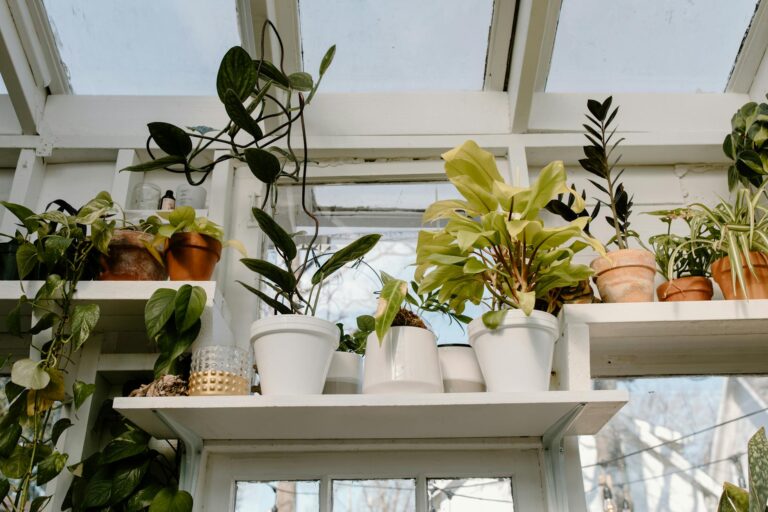
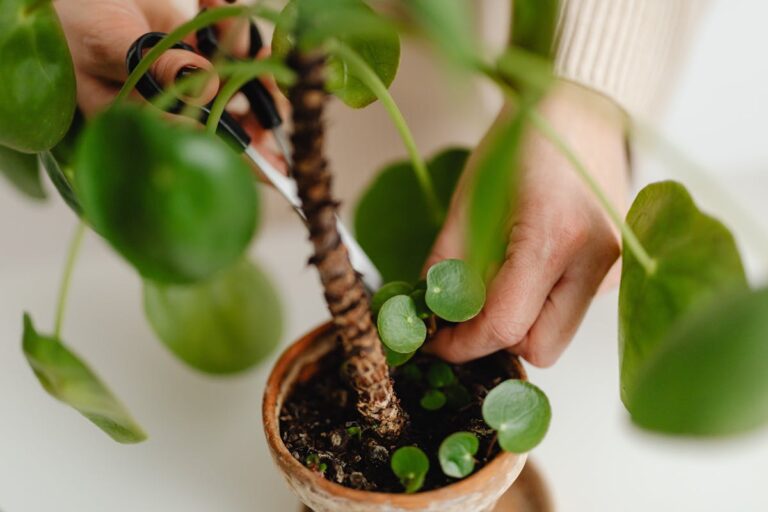
4. Overly Prized Houseplants
Houseplants have surged in popularity, with many people willing to pay top dollar for trendy varieties. However, some of these prized plants can become money pits.
Why They’re Costly: Rare or exotic houseplants like fiddle leaf figs or monstera can be expensive and require specific care conditions to thrive indoors. They’re also often susceptible to pests and diseases, which can lead to further costs in treatments.
Tip: Choose hardy houseplants like pothos or snake plants that are known for their resilience and low maintenance. They can thrive in a variety of indoor conditions, making them a better investment.
5. Fast-Growing Shrubs
Garden centers often promote fast-growing shrubs as the ideal solution for instant landscaping. However, this can be a misleading proposition.
Why They’re Costly: Fast-growing shrubs, such as leyland cypress or certain willows, can quickly outgrow their space and may require frequent pruning or even removal in the long run. They can also be more prone to disease and pest issues.
Tip: Look for slower-growing shrubs that have a longer lifespan and require less maintenance. Varieties like boxwoods or holly bushes are excellent choices that can provide structure to your garden without the headaches of constant upkeep.
6. Specialty Soil and Fertilizers
When shopping for plants, you may be tempted to buy specialty soils and fertilizers that promise to enhance growth. However, these can often lead to overspending.
Why They’re Costly: Many specialty products are not necessary for the average home garden and can lead to nutrient imbalances if used incorrectly. Additionally, you might find that regular compost and well-balanced fertilizers work just as well, if not better.
Tip: Invest in quality compost and organic matter to enrich your soil. This provides the essential nutrients your plants need without the added costs of specialty products. Conducting a soil test can also help you understand what your garden truly needs.
7. The Trendy But Fragile
Some plants become trendy due to social media hype, but they often don’t live up to the expectations set by influencers.
Why They’re Costly: Plants like the “pinky” succulent or rare varieties of calathea may look stunning but can be finicky and require particular care. If they don’t thrive, you may find yourself continually replacing them at a significant cost.
Tip: Instead of chasing trends, focus on tried-and-true plants that are resilient and thrive in your conditions. Familiarize yourself with native plants that can adapt well to your local ecosystem.
Final Thoughts
Gardening should be a joyful and fulfilling experience, not a financial burden. By being mindful of the plants you choose, you can avoid unnecessary expenses and create a thriving garden that brings you joy for years to come. Always remember to do your research and choose plants that are suited to your climate and gardening style. Happy gardening!