Avoiding Root Rot: The Watering Schedule Every Gardener Needs to Know
Watering may seem like a simple task in home gardening, but it’s one of the most critical factors that can make or break your plants. Many gardeners, especially beginners, believe that if they water their plants regularly, they’ll thrive. However, improper watering schedules can lead to serious problems, including root rot, even for those “easy” plants that are supposed to be foolproof. This article will delve into the watering habits that contribute to root rot and provide practical tips for establishing a healthy watering routine.
Understanding Root Rot
Root rot is a fungal disease that affects the roots of plants, leading to decay and ultimately death if not addressed. It occurs when roots sit in overly moist conditions, depriving them of sufficient oxygen. While this condition is often associated with overwatering, it can also result from a combination of poor drainage, high humidity, and inadequate soil aeration. Understanding the factors that contribute to root rot is crucial for creating a successful watering schedule.
Common Signs of Root Rot
Before we dive into watering schedules, it’s essential to recognize the signs of root rot. Look for the following indicators in your plants:
Wilting or yellowing leaves, despite adequate watering.
Dark, mushy roots that have a foul smell.
Soft, brown stems at the base of the plant.
Stunted growth or sudden plant decline.
If you notice these symptoms, it’s vital to act quickly to save your plant.
The Downside of a Fixed Watering Schedule
One common mistake that many gardeners make is sticking to a fixed watering schedule, such as watering every Sunday at 10 AM. While consistency can be beneficial, this approach often ignores the unique needs of individual plants, the changing weather conditions, and soil moisture levels.
Factors such as temperature, humidity, and the type of plant you’re growing can significantly influence how often and how much you should water. For example, during hot summer months, plants might require more frequent watering, while cooler fall and winter months might necessitate a reduction in watering frequency.
Signs That You May Be Overwatering
If you’ve been watering your plants on a strict schedule, consider these signs that may indicate you’re providing too much water:
1. Soil Moisture: Stick your finger about an inch into the soil. If it feels wet, hold off on watering. Soil should dry out slightly between waterings to allow roots to breathe.
2. Container Drainage: Ensure that your pots have adequate drainage holes. If water doesn’t drain out, it can lead to waterlogged soil and encourage root rot.
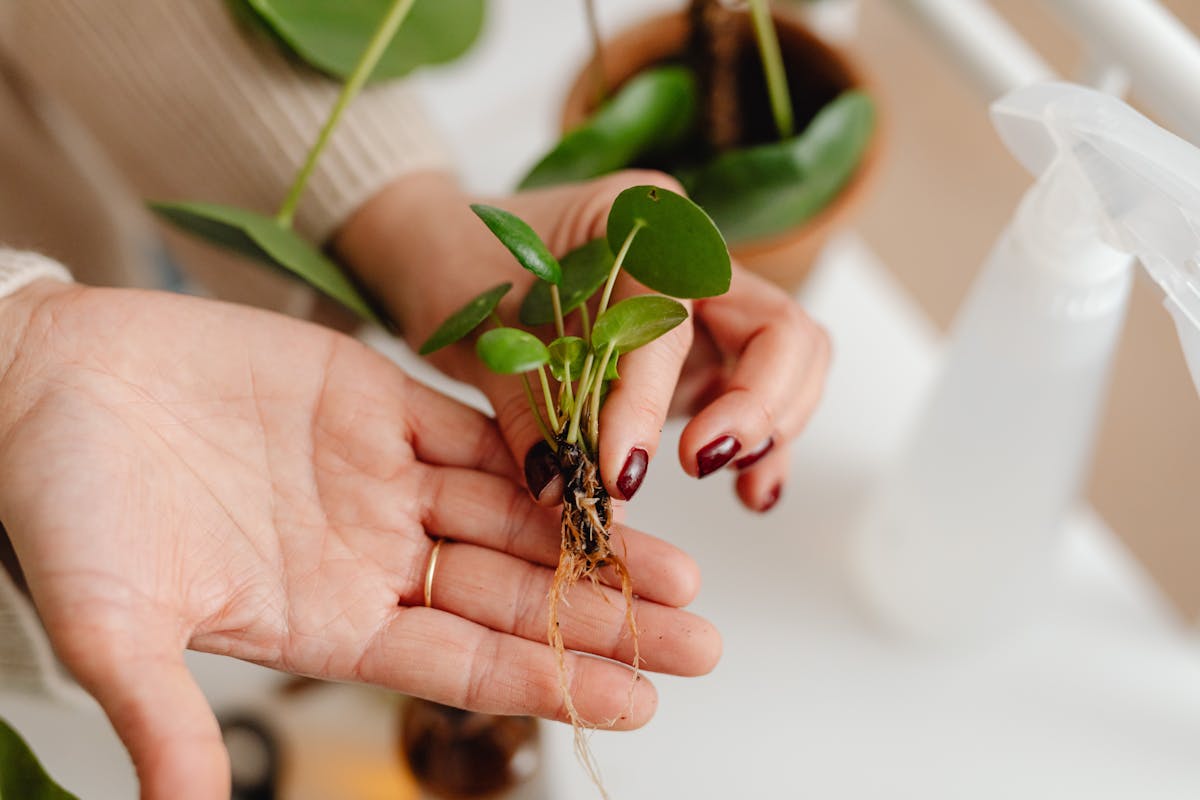
3. Root Health: If you’re comfortable, gently remove the plant from its pot to inspect the roots. Healthy roots should be white or light tan and firm. If they’re dark and mushy, it’s a sign of root rot.
Creating a Healthy Watering Schedule
To avoid root rot, consider these guidelines for an effective watering routine:
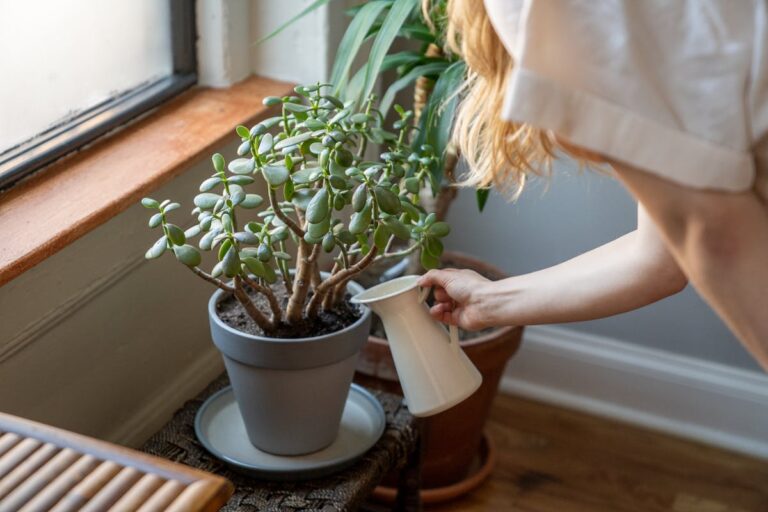
1. Assess Soil Moisture Regularly: Use a moisture meter or simply check the soil with your finger to gauge moisture levels before watering. This practice helps you tailor your watering based on current conditions.
2. Water Deeply, but Infrequently: When you do water, apply enough to saturate the soil, allowing it to reach the root zone. This encourages deep root growth and helps plants withstand dry spells. Aim to water every 1-2 weeks, depending on the plant and environmental conditions.
3. Time of Day Matters: Watering early in the morning is ideal as it allows plants to absorb moisture before the heat of the day. Avoid evening watering, which can leave plants damp overnight, creating a breeding ground for fungal diseases.
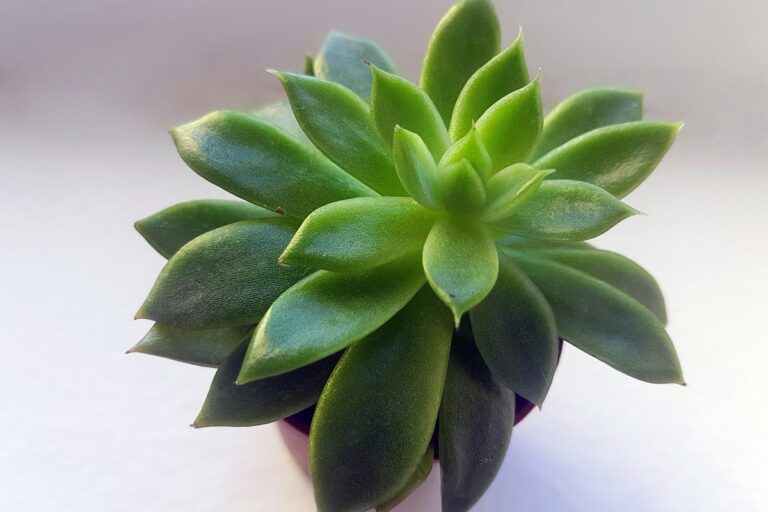
4. Consider the Plant Type: Different plants have varying water needs. For example, succulents and cacti thrive in drier conditions, while tropical plants may require more moisture. Research the specific needs of your plants to adjust your watering schedule accordingly.
5. Seasonal Adjustments: Be mindful of seasonal changes. In spring and summer, plants typically need more water due to higher evaporation rates. Conversely, reduce watering frequency in fall and winter when growth slows down.
Avoiding Common Watering Mistakes
Ignoring Drainage: Always ensure that your pots have proper drainage. If using a saucer, empty it after watering to prevent standing water.
Overcompensating for Drought Stress: If you’ve let your plants dry out, avoid flooding them with water all at once. Instead, rehydrate them gradually over several days.
Using the Same Schedule for All Plants: Just because one plant thrives on a particular schedule doesn’t mean that all your plants will. Group plants with similar watering needs together to simplify your routine.
Neglecting Environmental Changes: Be attentive to changes in weather, such as rainfall or humidity. Adjust your watering schedule accordingly to prevent overwatering.
In conclusion, avoiding root rot is all about understanding your plants’ needs and adapting your watering schedule accordingly. By being mindful of soil moisture, drainage, and seasonal changes, you can create a thriving garden that flourishes with healthy roots. Happy gardening!