Backyard Chicken Keeper Says His Favorite Hen Was Attacked Just as She Approached Her First Egg, Then a Late-Night Rescue Took a Heartbreaking Turn That Left Him Questioning Everything He Did to Save Her
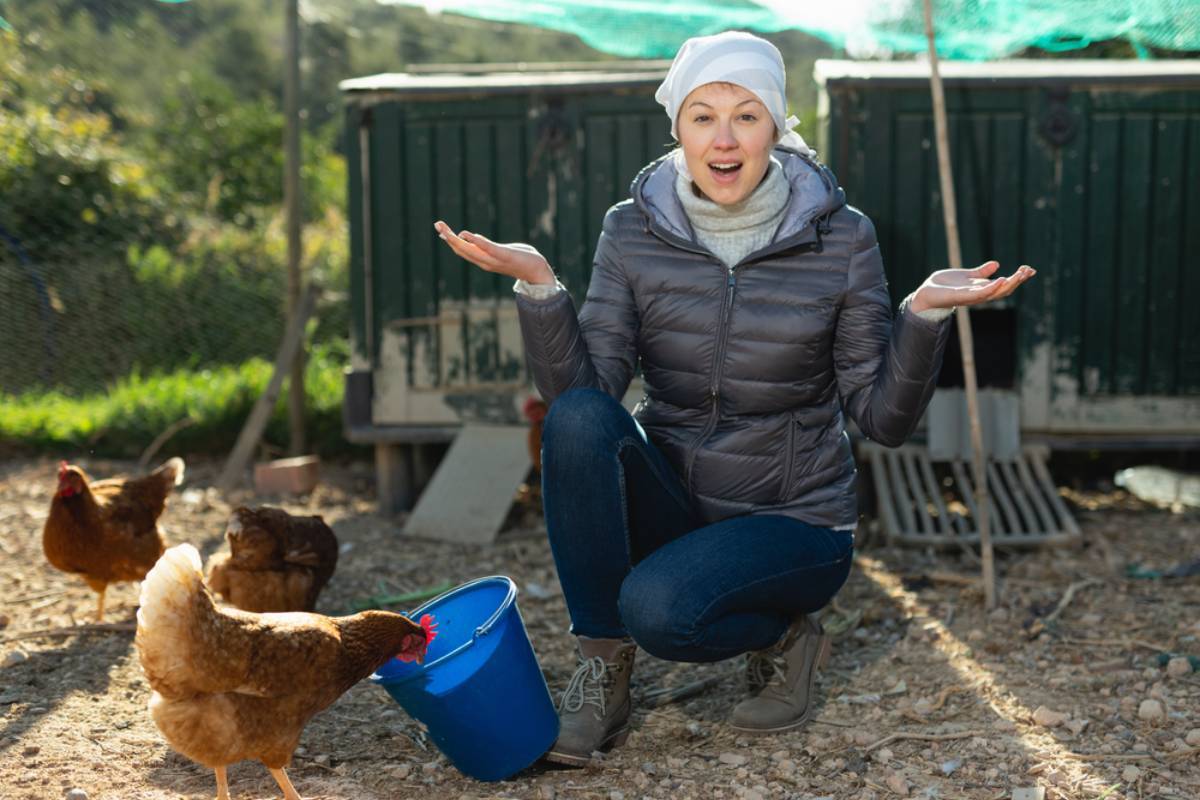
Raising chickens in the backyard can be a joyful experience, especially when each bird develops its own personality and becomes part of the family. For one chicken keeper, however, an ordinary night turned into a devastating experience when one of his beloved hens was attacked. He had raised five chicks since November, and he was looking forward to watching them mature into healthy egg-laying hens. Little did he know that one frightening incident would leave him questioning whether he had done enough to protect one of his favorite birds.
The hen at the center of the story was a Cinnamon Queen, a breed known for its reputation as a productive egg layer. She was the closest of the five chickens to laying her first egg, making her loss particularly painful. According to the owner, she was also the most active bird in the flock and held a prominent place in its social hierarchy. What began as an attempt to nurse an injured chicken back to health soon became a night he would never forget.
An Unexpected Attack Changes Everything
The trouble began when the Cinnamon Queen was attacked during the night. Although the incident left her injured, her owner believed there was still a good chance she could recover with some extra care. Rather than leaving her outside with the other chickens, he decided to bring her indoors where he could keep a closer eye on her condition. It was a quick decision made by someone who genuinely wanted to give his hen the best possible chance.
He placed the injured bird inside a tote and brought her into the house, hoping a quiet environment would help her settle down. The plan was to provide warmth, food, water, and a little peace away from the commotion of the flock. After all, chickens recovering from injuries can benefit from being separated from other birds that might peck at their wounds. For the owner, this seemed like the beginning of a hopeful recovery rather than the start of another tragedy.
The Cinnamon Queen Gets a Quiet Place to Rest
Once inside, the injured hen was given a temporary resting space away from the outdoor coop. Her owner wanted to make her comfortable while allowing her body some time to recover from the attack. He provided food and water, hoping she would regain her strength after the frightening experience. It was a simple setup, but it came from the understandable desire to protect a vulnerable animal.
The owner watched her closely for approximately 30 minutes and noticed that she remained alert to what was happening around her. Although she was not eating or drinking, she did not appear completely unresponsive. Those small signs of awareness gave him reason to hope that she might pull through. After watching her for a while, he decided to close the door and let her rest without further disturbance.
A Small Cup of Water Becomes Part of the Story
As part of his effort to care for the injured hen, the owner had placed a small cup of water inside the tote. Providing access to water seemed like an ordinary and necessary step, particularly because he wanted her to recover comfortably indoors. He had no reason to expect that such a basic part of chicken care would become connected to the most upsetting moment of the night. At that point, he believed he had created a safe place for her to rest.
After leaving the hen alone, the owner went about his evening, trusting that she would be all right for a little while. He had already checked her condition and seen that she was still alert, so he did not immediately assume that another emergency was unfolding. The quiet period was meant to give the bird some peace after her ordeal. Unfortunately, the next time he checked on her, the situation had changed dramatically.
One Hour Later, Everything Takes a Devastating Turn
Approximately an hour after leaving the hen to rest, the owner returned to check on her. Instead of finding the recovering bird he had seen earlier, he discovered that she was no longer moving. As he approached, he noticed that her head was limp in the small cup of water inside the tote. The sight immediately raised the frightening possibility that she had drowned.
The discovery left him devastated because he had brought her indoors specifically to save her. He had acted quickly after the attack, provided warmth, and tried to make her comfortable, only to lose her despite those efforts. What had initially looked like a promising rescue had become a heartbreaking outcome in less than an hour. The owner was left wondering whether his attempt to help had somehow contributed to her death.
The Owner Begins Questioning His Decisions
After losing the hen, the owner could not help replaying the events of the evening in his mind. He had chosen to bring her inside, placed her in a temporary container, and provided a cup of water because he wanted to help her recover. Now, every decision seemed worth examining, especially the choice to leave her alone after she had appeared alert. It is an understandable reaction when someone loses an animal they were actively trying to save.
He shared his story because he wanted to know whether other chicken keepers had experienced anything similar. His question was not simply about the mechanics of caring for an injured bird, but also about the emotional burden that can follow an unexpected loss. When an animal dies during a rescue attempt, it can be difficult to separate the outcome from the decisions made along the way. For this owner, finding some explanation became an important part of coping with what had happened.
Fellow Chicken Keepers Offer Reassurance
The story prompted responses from people familiar with the challenges of raising backyard chickens. Several people expressed sympathy for the owner, recognizing how painful it can be to lose a bird that has received so much attention and care. One response from a person suggested that the hen might have died from an internal injury or the effects of shock before her head ended up in the water. That possibility offered a different explanation from the owner’s initial fear that she had drowned.
Other people emphasized that chickens can sometimes deteriorate quickly after an injury, even when they still appear alert. An animal may have serious internal damage that is not immediately obvious from its behavior. Although no one could establish the exact cause of death from the story alone, these responses helped challenge the assumption that the owner must have made a fatal mistake. The discussion shifted from blame toward the possibility that the hen’s injuries had been more severe than anyone realized.
Could the Attack Have Caused Hidden Injuries?
One of the most important questions raised by the incident was whether the original attack had caused damage that was not visible from the outside. An injured chicken may have internal trauma, and its condition can worsen even when there are no obvious signs of a life-threatening problem. A bird that remains alert for a short period is not necessarily out of danger. This makes it particularly difficult for backyard keepers to judge the severity of an injury without professional guidance.
The Cinnamon Queen had already endured an attack before being brought indoors, so her death could not automatically be attributed to the water cup. Severe stress, internal bleeding, or damage to vital organs are among the possibilities a veterinarian might consider, depending on the circumstances. However, none of these explanations can be confirmed without further examination. The painful uncertainty is that the owner may never know exactly what happened during that final hour.
Was the Water Cup Really Responsible?
The sight of the hen with her head in the water naturally led her owner to suspect drowning. It was an upsetting detail that made the loss seem connected to a specific decision he had made while trying to help. However, several responses from other chicken keepers questioned whether the water had actually caused her death. They pointed out that a chicken that has already died or is experiencing a severe medical crisis may end up in an unusual position.
That distinction matters because finding an animal in a particular position does not necessarily reveal what caused its death. The hen might have collapsed because of an injury and subsequently fallen into the cup, although this remains only one possible explanation. Without a veterinary examination, it would be impossible to determine whether drowning, trauma, or another medical complication was responsible. For the grieving owner, that uncertainty made it especially important not to assume that the worst possible interpretation was automatically correct.
Chickens Can Be More Fragile Than They Appear
Backyard chickens often seem tough and independent as they scratch through the soil, chase insects, and compete for food. Their lively behavior can make it surprising when an otherwise active bird suddenly becomes seriously ill or dies. In reality, chickens can conceal signs of illness or injury, and changes in their condition may happen faster than an inexperienced keeper expects. That unpredictability can make even routine care decisions feel overwhelming.
The owner described his Cinnamon Queen as the most active bird in the flock, which made her sudden decline even harder to understand. A chicken that normally flaps around confidently may still be vulnerable to serious injuries after an attack. The experience was a reminder that a bird’s usual energy and personality do not guarantee that it will recover from trauma. Sometimes, the most distressing losses occur before a keeper realizes just how serious the situation has become.
Why Injured Chickens Need Careful Monitoring
Separating an injured chicken from the rest of the flock can help prevent further pecking and allow the bird to rest in a calmer environment. However, a temporary recovery area also needs to be arranged carefully so that the bird can rest safely and access food and water without unnecessary risks. A shallow, stable water container positioned to reduce the chance of the bird falling into it can be a sensible precaution. The injured bird should also be monitored closely, particularly if it is weak, disoriented, or unable to hold its head up normally.
In cases involving significant trauma, prompt veterinary advice is especially important because apparently minor injuries can conceal serious complications. A veterinarian can help assess the bird’s condition and advise whether additional treatment or emergency care is necessary. If a chicken becomes unresponsive or struggles to maintain a normal posture, it should be treated as an urgent situation rather than simply left to sleep. The owner’s experience highlights why creating a safe resting space is only one part of caring for an injured bird.
The Hen Was More Than Just Another Chicken
Losing an animal can hurt regardless of how long it has been part of a household. In this case, the owner had raised the Cinnamon Queen from a chick and watched her grow into one of the most prominent members of the flock. She was approaching the stage when she might begin laying eggs, making her future seem especially promising. Her sudden death meant losing not only a bird but also the everyday routines and expectations that had grown around her.
The fact that she was the most active hen also made the loss feel particularly unfair. She had been a familiar presence among the other chickens, and her owner had every reason to expect many more days of watching her explore the yard. Instead, a single night changed the flock’s story in a way he could not have anticipated. That emotional connection explains why he wanted to share the experience with other people who understood the realities of raising chickens.
Other Keepers Remind Him Not to Blame Himself
Among the most reassuring responses was the suggestion that the owner should not automatically blame himself for what happened. One person explained that the hen might have died from an internal injury or another complication and only ended up in the water afterward. Others offered condolences and acknowledged that chickens can be surprisingly vulnerable despite their energetic behavior. Their responses gave the owner a chance to consider explanations beyond the fear that his care had caused the tragedy.
Such reassurance cannot establish the actual cause of death, but it can help someone avoid turning grief into unnecessary self-punishment. The owner had responded to an attack by bringing the hen indoors and trying to provide warmth and basic care. There is a meaningful difference between making an honest attempt to help an injured animal and knowingly putting it in danger. In the absence of evidence showing what happened, the most reasonable conclusion is that the cause remains uncertain rather than that the owner is automatically responsible.
A Difficult Night Becomes a Lesson for Future Care
The owner ended up learning a painful lesson about the unpredictability of caring for injured chickens. He had hoped that removing the hen from danger would give her a chance to recover, but the outcome reminded him that even well-intentioned interventions cannot guarantee survival. Future emergencies may lead him to arrange a more carefully secured recovery area and seek veterinary guidance sooner. Those changes can help improve safety without requiring him to believe that he deliberately caused the loss.
For other backyard chicken keepers, the story is a reminder to prepare for emergencies before they happen. Keeping a secure carrier, suitable shallow water containers, and contact information for a poultry veterinarian can make a stressful situation easier to manage. It is also worth remembering that an injured chicken that appears alert may still need urgent medical assessment. Although no preparation can prevent every tragedy, thoughtful planning can reduce avoidable risks and help owners respond more confidently.
The Final Twist Was That Saving Her May Never Have Been in His Hands
At first, the owner believed the most devastating part of the story was discovering his hen with her head in the water. That detail made him question whether leaving the cup inside the tote had caused her death. Yet the responses he received introduced another possibility: the attack itself may have inflicted injuries from which she could not recover. If that was the case, the apparent connection between the water and her death may have been misleading.
The exact cause remains unknown, and it would be unfair to turn speculation into a definitive explanation. What is clear is that the owner acted because he wanted to save a chicken he cared about, not because he was indifferent to her safety. His story became an opportunity for other keepers to share compassion, discuss the risks of hidden injuries, and consider safer ways to care for vulnerable birds. Sometimes, the hardest lesson in backyard animal care is recognizing that doing your best and getting the outcome you hoped for are not always the same thing.