Banish Bad Smells from Your Compost Pile with This Simple Trick
Composting is one of the most rewarding practices for home gardeners. Not only does it reduce waste, but it also enriches your garden soil, leading to healthier plants. However, if you’ve ever experienced unpleasant odors wafting from your compost pile, you may have felt tempted to abandon this eco-friendly habit. Fear not! There’s a straightforward solution to transform your smelly compost into a fragrant, nutrient-rich goldmine for your garden.
Understanding Compost Odors
Before we dive into the fix, it’s essential to understand why compost can smell bad. Composting relies on a balance of green materials (nitrogen-rich) and brown materials (carbon-rich). When this balance is off, particularly with too much nitrogen or moisture, anaerobic bacteria can thrive, leading to foul odors reminiscent of rotten eggs or ammonia. This imbalance is often the result of:
1. Overloading on kitchen scraps like fruit peels and vegetable trimmings.
2. Insufficient browns, such as dried leaves, straw, or shredded paper.
3. Lack of aeration, which can occur if the pile is too dense or not turned regularly.
4. Excess moisture, particularly in wetter climates or during rainy seasons.
The One Fix That Changes Everything
Now, let’s explore the one fix that can help bring your compost back to life and eliminate those unpleasant smells: adding more carbon-rich materials (browns). This simple adjustment can help restore balance and create an ideal environment for aerobic bacteria, which produce little to no odor.
Here’s how to implement this fix effectively:
1. Identify Your Carbon Sources: Look for materials that are dry and high in carbon. Some excellent options include:
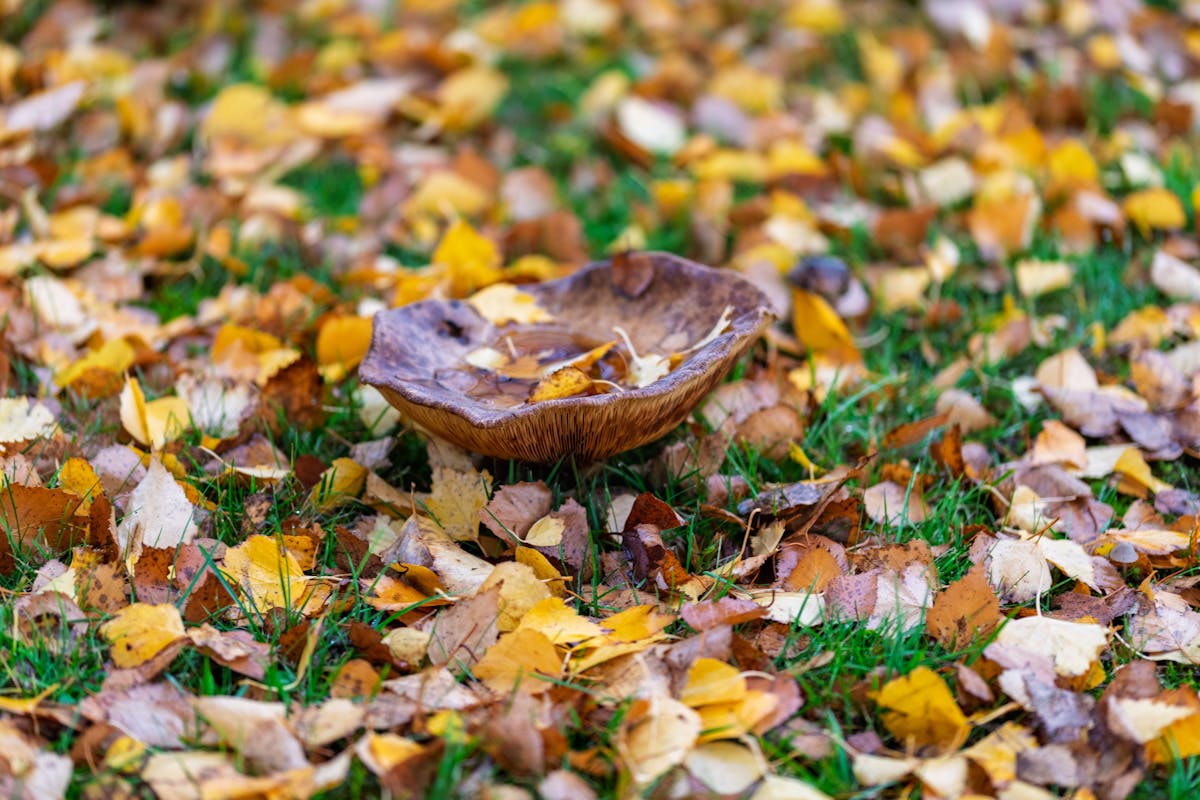
Dried leaves
Straw or hay
Shredded newspaper or cardboard (avoid glossy paper)
Wood chips or sawdust (from untreated wood)
Pine needles
2. Layering Technique: When you notice your compost pile emitting odors, it’s time to layer in those brown materials. Start by adding a generous amount of carbon sources to your pile. A good rule of thumb is to aim for a ratio of about 30 parts carbon to 1 part nitrogen. If you’re unsure, simply add a layer of browns about twice as thick as your greens.
3. Mixing and Aeration: After adding the browns, mix the pile thoroughly. This aeration helps to introduce oxygen, supporting the aerobic bacteria and minimizing odors. Use a pitchfork or compost aerator to turn the pile every couple of weeks, ensuring that all materials are well-distributed.
4. Moisture Management: Check the moisture level of your compost. It should be damp but not soggy—think of a wrung-out sponge. If your compost is too wet, continue adding browns to absorb excess moisture. If it’s too dry, add some water or green materials gently.
5. Be Patient: After making these changes, give your compost some time. It may take a few weeks for the odors to dissipate as the balance improves and the microorganisms do their work.
Common Mistakes to Avoid
While the fix is simple, there are common pitfalls to watch out for:
Overcompensating with Browns: While adding more carbon is essential, don’t completely eliminate your greens. A healthy compost pile needs a mix of both to thrive.
Ignoring Temperature: If your compost pile is cold (below 130°F), it may indicate insufficient microbial activity. If your pile is odorous and cold, increase aeration and add browns until you see a rise in temperature.
Neglecting Turnover: Regularly turning your compost is crucial. It not only aerates the pile but also helps to distribute moisture and temperature, leading to a more balanced and odor-free compost.
Adding Wrong Materials: Avoid adding materials that can create issues, such as meat, dairy, oily foods, or pet waste. These can attract pests and produce unpleasant smells.
Final Thoughts on Healthy Composting
By following these steps and maintaining a balanced compost pile, you’ll be well on your way to enjoying the benefits of composting without the bad smells. Remember, composting is a learning process—every pile is different, and it may take some trial and error to find the perfect balance for your specific situation.
With a little patience and care, you’ll soon be rewarded with rich, dark compost that can nourish your garden, all while keeping your yard free from unpleasant odors. Happy composting!