“Begonias: Annuals or Perennials? Discover the Truth and 5 Essential Care Tips”
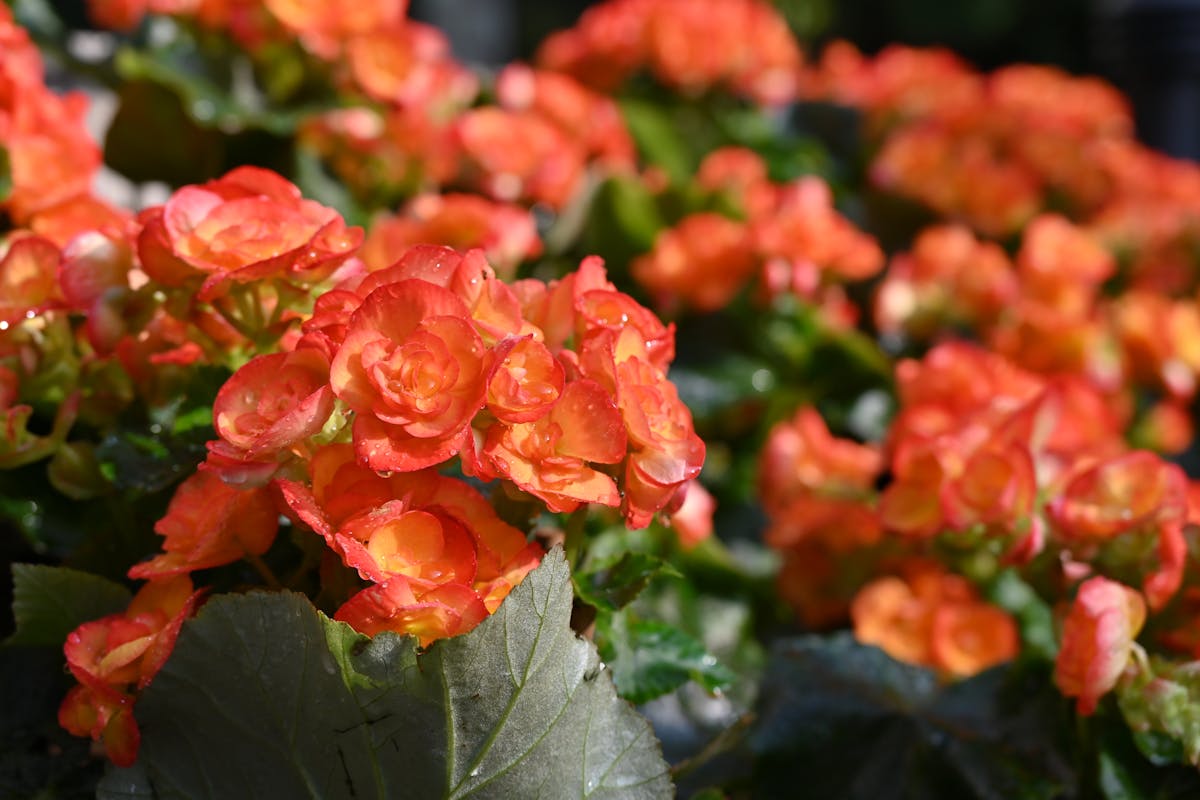
Are you captivated by the vibrant blooms and unique foliage of begonias? You’re not alone! These stunning plants have become a staple in many North American gardens. However, a common question among gardeners is whether begonias are annuals or perennials. The answer isn’t as straightforward as you might think, and understanding their classification can help you care for them effectively. In this article, we’ll uncover the truth about begonias and provide you with five essential tips to ensure they thrive in your garden.
Understanding Begonias
Begonias belong to the Begoniaceae family and encompass a diverse range of species, many of which are grown for their ornamental value. The classification of begonias can be a bit confusing because it varies based on the specific type and the climate in which they are grown.
In general, most begonias are considered tender perennials in their native climates, which means they can survive for multiple seasons in warmer areas. However, in cooler regions, particularly where frosts are common, begonias are often treated as annuals because they cannot withstand freezing temperatures. In summary, whether begonias act as perennials or annuals largely depends on your local climate and how you choose to care for them.
Five Tips for Thriving Begonias
1. Choose the Right Variety
When selecting begonias for your garden, it’s crucial to choose the right variety based on your climate and gardening goals. There are several types of begonias, including:
Wax Begonias: These are typically used as annuals and are favored for their drought resistance and ability to thrive in partial shade.
Tuberous Begonias: Often grown for their spectacular flowers, these can be treated as perennials in USDA zones 9-11 but are commonly dug up and stored over winter in colder areas.
Rhizomatous Begonias: Known for their striking foliage, these are perennial in warmer climates but may need special care in cooler regions.
Understanding these distinctions will help you make informed decisions based on your local growing conditions.
2. Optimal Planting Conditions
Begonias thrive in well-draining soil enriched with organic matter. When planting, choose a location that receives bright, indirect sunlight. Direct sunlight can scorch the leaves, while too much shade may hinder flowering. Aim for a spot that offers partial shade, especially during the hottest part of the day. Additionally, ensure that the soil pH is slightly acidic to neutral (around 6.0 to 7.0) for optimal growth.
3. Water Wisely
Watering begonias is a delicate balance. Overwatering is one of the most common mistakes gardeners make, leading to root rot. Instead, allow the top inch of soil to dry out before watering again. During hot summer months, you may need to water more frequently, but always check the soil moisture first. A general rule of thumb is to water in the morning to reduce evaporation and allow the plant to absorb moisture throughout the day.
4. Fertilize Regularly
To keep your begonias healthy and encourage vibrant blooms, regular fertilization is essential. Use a balanced, water-soluble fertilizer every four to six weeks during the growing season (spring through early fall). Look for formulas designed for flowering plants, and be careful not to over-fertilize, as this can lead to leggy growth and fewer flowers. If you’re growing tuberous begonias, consider switching to a low-nitrogen fertilizer to promote blooming.
5. Prepare for Seasonal Changes
If you live in a region where frost is a concern, it’s vital to prepare your begonias for the changing seasons. For tuberous begonias, dig up the tubers in the fall after the foliage has died back, gently clean them, and store them in a cool, dry place until spring. For wax and rhizomatous begonias, consider bringing them indoors before the first frost. Place them in a sunny spot and reduce watering during the winter months to prevent stress.
Common Mistakes to Avoid
While caring for begonias can be rewarding, there are a few common pitfalls to avoid:
Neglecting Humidity: Begonias thrive in humid environments. If your home or garden is particularly dry, consider misting the leaves or using a humidity tray to provide some moisture.
Ignoring Pests: Keep an eye out for common pests like aphids and spider mites. Regularly inspect your plants and treat infestations promptly with insecticidal soap or neem oil.
Planting Too Deep: When planting begonias, ensure you don’t bury the tubers or rhizomes too deeply. They should be planted just below the surface of the soil to allow for proper growth.
With the right care and attention, begonias can add a splash of color and texture to your garden year after year. Whether you choose to treat them as annuals or perennials, understanding their needs will help you create a thriving environment for these beautiful plants. Happy gardening!