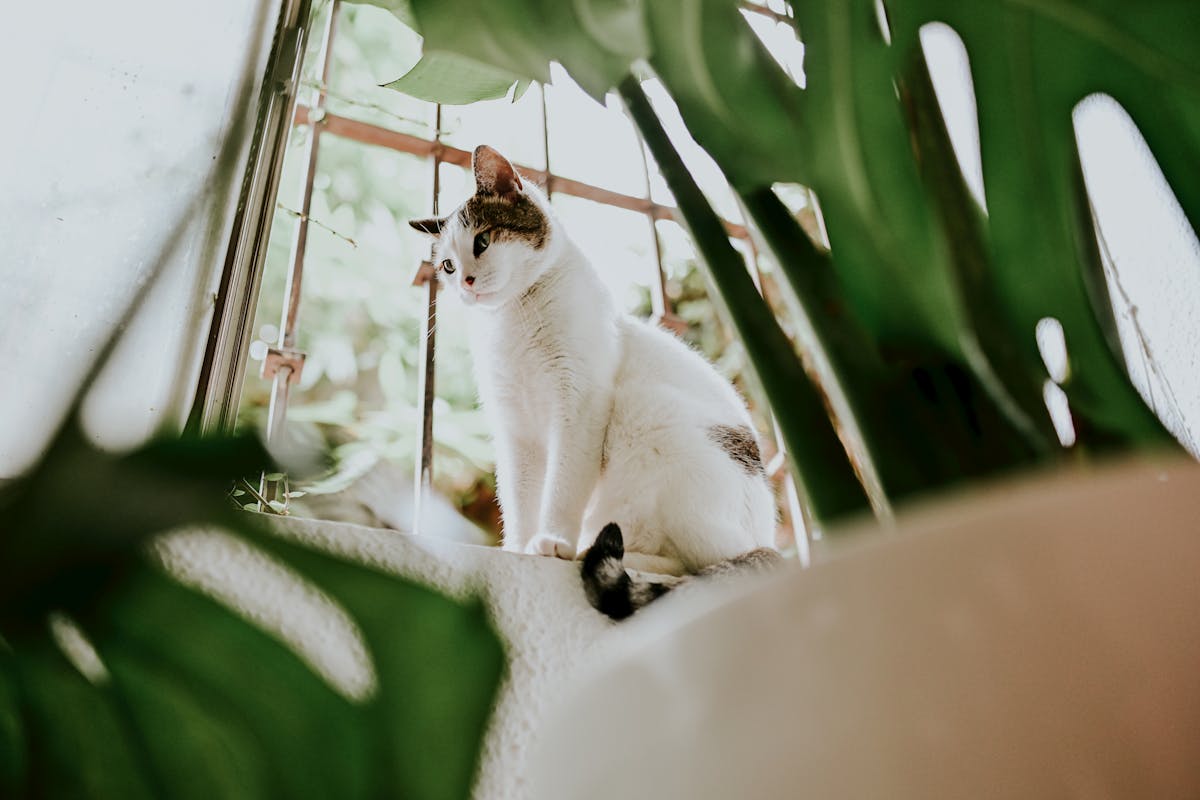
Beware the Green: Houseplants That Can Be Harmful to Your Pets
Houseplants can bring life and color into your home, enhancing your living space and improving air quality. However, as any pet owner knows, keeping our furry friends safe is a top priority. While many houseplants may look harmless and inviting, some can pose serious health risks to pets such as cats and dogs. In this article, we’ll explore several popular houseplants that might seem safe but can actually be toxic to your beloved companions, along with tips on how to keep your home green and pet-friendly.
Understanding Plant Toxicity
Before diving into specific plants, it’s essential to understand that toxicity varies among species. Some plants can cause mild stomach upset, while others might lead to more severe symptoms like organ failure. The ASPCA maintains a comprehensive list of plants that are toxic to pets, which is a useful resource for any pet owner. Remember, any exposure to a potentially harmful plant warrants a call to your veterinarian or local poison control center if you suspect your pet may have ingested something dangerous.
1. Pothos (Epipremnum aureum)
Pothos, also known as Devil’s Ivy, is one of the most common houseplants found in homes due to its easy care and hardiness. However, it contains calcium oxalate crystals that can cause oral irritation, vomiting, and difficulty swallowing in pets. If you have a curious cat or dog, it’s best to keep pothos out of their reach or choose a different plant altogether.
2. Philodendron
Another popular choice for indoor gardening, philodendrons are loved for their attractive foliage and low maintenance. Unfortunately, like pothos, they also contain calcium oxalate crystals, making them toxic to pets. Symptoms of philodendron ingestion include drooling, vomiting, and irritation of the mouth and throat. Consider placing these plants on high shelves or in hanging baskets to minimize the risk to your pets.
3. Peace Lily (Spathiphyllum)
Peace lilies are cherished for their elegant blooms and ability to thrive in low-light conditions. However, they too contain calcium oxalates. While they aren’t deadly, ingestion can lead to significant discomfort for pets, including oral swelling and gastrointestinal upset. Keep peace lilies out of reach, and consider opting for pet-safe alternatives like spider plants or bamboo palms.
4. Rubber Plant (Ficus elastica)
The rubber plant is another favorite for indoor decor, appreciated for its glossy leaves and air-purifying qualities. However, it can be toxic to pets, causing symptoms such as vomiting and diarrhea if ingested. If you have pets that like to nibble on plants, it may be wise to place rubber plants in areas that are off-limits to them.
5. Aloe Vera
Aloe vera is often praised for its healing properties for humans, but it can spell trouble for pets. While the gel inside the leaves is safe for topical use on humans, the latex found just under the skin can cause gastrointestinal distress in cats and dogs. Symptoms may include vomiting, diarrhea, and lethargy. If you wish to keep aloe vera around, consider placing it in a room that’s inaccessible to your pets.
6. Sago Palm (Cycas revoluta)
Although not a typical houseplant, many people bring sago palms indoors for their attractive appearance. However, this plant is highly toxic to pets and can lead to severe liver failure if ingested. Symptoms can take days to appear and may include vomiting, diarrhea, and seizures. For the safety of your pets, it’s best to avoid this plant altogether.
7. Dieffenbachia (Dumb Cane)
Dieffenbachia is known for its striking foliage and is a popular choice for both home and office environments. However, it contains calcium oxalates, which can cause intense burning and swelling of the mouth and throat if chewed or ingested by pets. Symptoms may include drooling, difficulty breathing, and vomiting. Always keep this plant well out of reach.
Keeping Your Plants and Pets Safe
Now that you’re aware of some common houseplants that can be harmful to pets, here are some practical tips to maintain a safe environment:
Placement is Key: Position plants on high shelves, or use hanging baskets to keep them out of reach. This is especially important for climbing plants like pothos and philodendrons.
Choose Pet-Friendly Alternatives: Consider incorporating plants that are non-toxic to pets, such as spider plants, Boston ferns, and African violets. These options allow you to enjoy greenery without the worry.
Educate Yourself and Others: Familiarize yourself and your family members with the plants in your home. Make a list of toxic plants and keep it handy for quick reference.
Monitor Your Pets: Keep an eye on your pets when they’re roaming around houseplants. If they show an unusual interest in a particular plant, it may be time to relocate it or replace it with something safer.
Know the Signs: Be vigilant for any signs of plant ingestion, including vomiting, diarrhea, or unusual behavior. If you suspect your pet has ingested a toxic plant, contact your veterinarian or local poison control immediately.
By staying informed and taking proactive measures, you can create a beautiful indoor garden that is also safe for your pets. With the right choices, you can enjoy the best of both worlds—lush greenery and the company of your furry friends.