Boost Your Garden Soil on a Budget: Simple, No-Cost Methods to Enrich Your Plot
Improving your garden soil doesn’t have to be a costly endeavor. In fact, with a little creativity and some natural resources at your disposal, you can enhance the quality of your soil without ever buying a bag of commercial amendments. Here’s how you can quickly and affordably bolster your soil health, leading to a more vibrant and fruitful garden.
Understanding Soil Health
Before diving into the methods, it’s essential to understand what makes soil healthy. Healthy soil is rich in organic matter, well-aerated, and has a balanced pH. It retains moisture efficiently while also allowing excess water to drain. When soil is healthy, plants can access the nutrients they need, leading to vigorous growth and increased yields.
Composting: The Ultimate Soil Booster
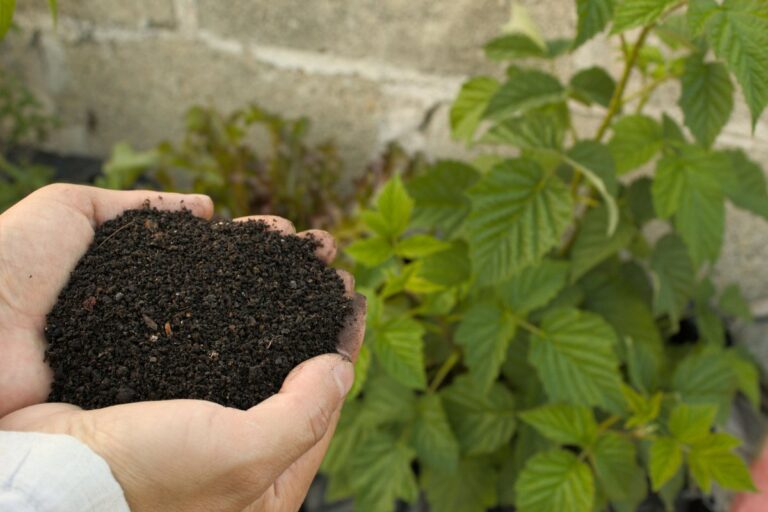
One of the best ways to improve soil is through composting. Not only is it cost-effective, but it also recycles kitchen scraps and yard waste into nutrient-rich organic matter.
Getting Started with Composting
1. Choose a Bin: You can buy a compost bin or create your own using pallets, wire fencing, or even a simple pile in a corner of your yard. Make sure it’s well-aerated and easy to access.
2. Gather Materials: Collect kitchen scraps like vegetable peels, coffee grounds, and eggshells. Combine these with brown materials such as dried leaves, straw, or shredded newspaper. Aim for a ratio of about 3 parts brown to 1 part green.
3. Turn the Pile: Every few weeks, turn your compost pile to aerate it, which speeds up decomposition. After a few months, you’ll have rich compost that can be mixed into your garden beds.
Timing: Start composting year-round, but be mindful of how your pile behaves in colder months. In USDA zones with frost, consider insulating your pile or using a bin that retains heat.
Mulching: Nature’s Blanket
Adding organic mulch to your garden beds can improve soil structure, suppress weeds, and retain moisture. Plus, as mulch breaks down over time, it adds nutrients back into the soil.
What to Use for Mulch:
Wood Chips: Good for pathways and perennial beds.
Straw or Hay: Ideal for vegetable gardens, but be cautious of weed seeds in hay.
Grass Clippings: A great nitrogen source; just make sure they are dry and free of chemicals.
Application: Spread a 2-4 inch layer of mulch around your plants, avoiding direct contact with stems to prevent rot. Refresh your mulch as it breaks down, ideally once or twice a year.
Utilizing Cover Crops
Cover crops, also known as green manures, are plants grown primarily to improve soil health. They can be sown during the off-season or in between plantings to prevent soil erosion and add organic matter.
Choosing Cover Crops:
Clover: Fixes nitrogen in the soil and attracts beneficial insects.
Rye: Excellent for preventing erosion and suppressing weeds.
Vetch: Adds nutrients and improves soil structure.
When to Plant: Sow cover crops in late summer or early fall, a few weeks before the first frost in your area. Once they mature, till them into the soil before planting your main crops in spring.
Creating a Soil Tea
Soil tea is a nutrient-rich liquid that can be made from compost or worm castings. It’s an excellent way to quickly introduce beneficial microbes and nutrients to your soil.
How to Make Soil Tea:
1. Fill a Bucket: Place a handful of compost or worm castings in a porous bag (like an old pillowcase) and submerge it in a bucket of water.
2. Steep: Let it sit for 24 to 48 hours, stirring occasionally.
3. Use: Dilute the liquid with water (1:1 ratio) and use it to water your plants or spray it on leaves.
Frequency: Apply soil tea every few weeks during the growing season for a nutrient boost.
Using Local Resources
Your community can be a treasure trove of free resources for enriching your soil. Many towns have local composting programs, and you might find free wood chips from tree trimming services or grass clippings from neighbors.
Networking: Join local gardening groups or social media pages where you can exchange materials. You might find someone willing to share their compost, mulch, or even soil amendments.
Recognizing the Importance of Earthworms
Earthworms play a crucial role in soil health by aerating the soil and breaking down organic matter. To attract more earthworms to your garden, you can do the following:
Add Organic Matter: Incorporate compost, mulch, and leaf litter into your garden beds.
Avoid Chemicals: Reduce or eliminate the use of pesticides and herbicides that can harm these beneficial creatures.
Creating a Worm Habitat: Consider creating a worm bin at home. Red wigglers are ideal for this and can convert kitchen scraps into nutrient-rich castings.
Common Mistakes to Avoid
While enhancing your soil health with these methods, here are a few things to keep in mind:
Overcompacting Soil: Avoid walking on garden beds or using heavy machinery, as this can compact the soil and hinder plant growth.
Ignoring Soil Tests: If you’re unsure about your soil’s pH or nutrient levels, consider conducting a soil test. This can guide your amendments and help you avoid over-fertilizing.
Neglecting Watering Needs: Even with improved soil, plants will still require consistent watering, especially during dry spells.
By implementing these no-cost strategies, you can significantly improve your soil health without breaking the bank. Embrace the resources around you, and soon you’ll notice the benefits in your flourishing garden!