Bouncing Back: Expert Tips to Revive Your Thirsty Houseplants

Reviving houseplants that have been neglected can feel daunting, especially if they’ve been left parched for longer than they should have. But fear not! Whether you’ve just returned from vacation or have simply lost track of time, there are effective ways to rejuvenate your beloved green companions. Below, we’ll explore expert-recommended strategies to help you bring your houseplants back to life.
Assess the Damage
Before you can begin the revival process, it’s crucial to assess the condition of your plants. Start by checking for signs of over-drying. Leaves may appear crispy, brown, or yellow, and the soil will likely be bone dry. In some cases, plants may drop leaves as a response to stress.
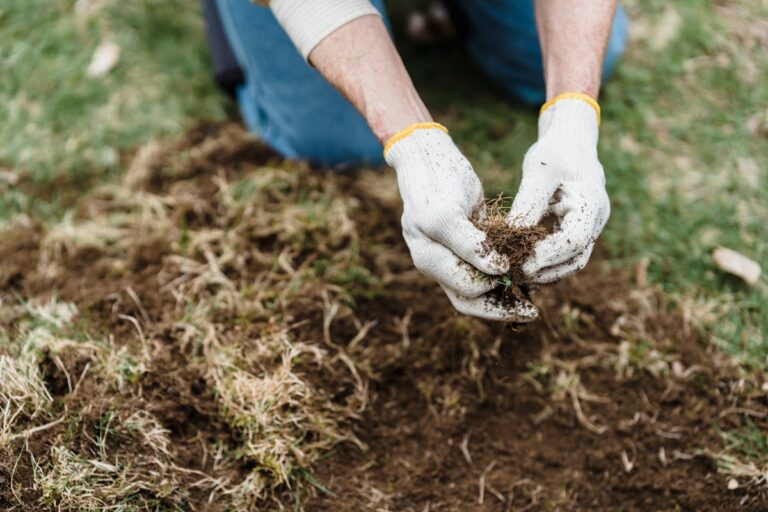
Feel the soil with your fingers—if it’s completely dry several inches down, your plant is in dire need of water. However, if it’s still somewhat moist, you might just need to adjust your watering schedule.
Rehydrating the Soil
Once you’ve determined that your plant is thirsty, it’s time to rehydrate the soil properly. Here’s how to do it:
1. Water Slowly: Begin by watering the plant gently. Use room temperature water to avoid shocking the roots. Pour in a little water and let it soak into the soil. Avoid flooding the plant all at once, as this can lead to root rot.
2. Soak Method: For severely dehydrated plants, consider the soak method. Fill a basin or sink with water and place the pot inside, allowing the soil to absorb water from the bottom up. Leave it submerged for about 30 minutes, then remove it and let excess water drain out.
3. Frequency: After the initial watering, maintain a consistent watering schedule. Most houseplants thrive when watered thoroughly but not too frequently. Check the soil every week and adjust based on how quickly it dries out.
Trim and Prune
Once your plant has been rehydrated, it may look a bit worse for wear. Don’t be disheartened! Pruning can help rejuvenate your plant and promote new growth.
1. Remove Dead Leaves: Snip away any brown or crispy leaves, as they won’t recover. This will help the plant focus its energy on healthy growth.
2. Assess Stems: If the stems are wilted or brown, you may need to cut them back as well. Make cuts just above a leaf node, which can encourage new growth.
Provide Optimal Conditions
After watering and pruning, it’s essential to ensure your plant is in the best possible environment for recovery.
1. Light: Many houseplants prefer bright, indirect sunlight. Avoid placing them in direct sunlight right after a watering session, as this can stress them further. Instead, find a spot with filtered light, and gradually introduce them to more sunlight as they perk up.
2. Humidity: Dry air can exacerbate the effects of underwatering. If your home is particularly dry, consider increasing humidity around your plants. You can do this by misting them, using a humidifier, or placing a tray of water with pebbles beneath the pot.
3. Temperature: Keep your plants in a stable temperature range, ideally between 60°F and 75°F (15°C to 24°C). Avoid placing them near heating vents or drafty windows.
Fertilizing After Recovery
Once your plants show signs of improvement, you might consider giving them a boost with fertilizer. However, it’s important to wait until they are actively growing, which typically happens in the spring and summer months.
1. Choose the Right Fertilizer: A balanced, all-purpose houseplant fertilizer works well. Look for one with equal parts nitrogen, phosphorus, and potassium (like a 10-10-10 blend).
2. Follow Instructions: Always follow the manufacturer’s instructions for the right dosage. Over-fertilizing can harm your plants, especially if they are still recovering from stress.
Common Mistakes to Avoid
While trying to revive your houseplants, be mindful of these common pitfalls:
1. Overwatering: After a period of neglect, it’s tempting to water excessively. Remember to let the soil dry slightly between waterings.
2. Immediate Exposure to Sunlight: Don’t place your plants back in direct sunlight right away. Gradually acclimate them to prevent shock.
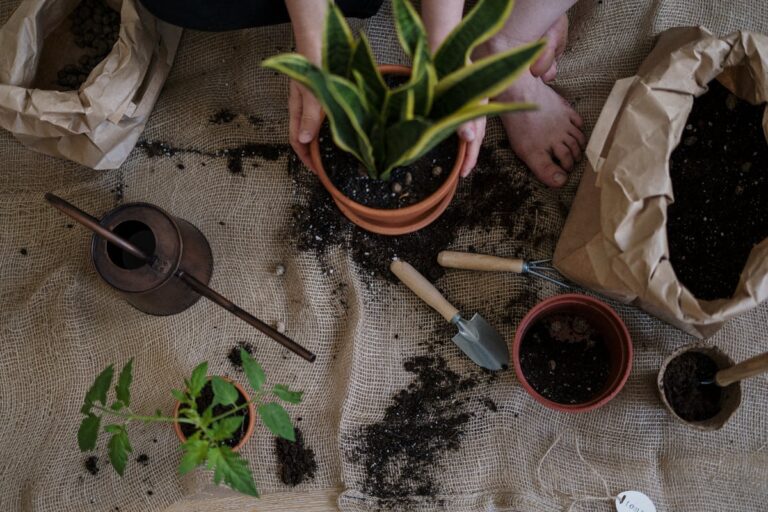
3. Neglecting Pot Size: If your plant was significantly dehydrated, consider whether it’s root-bound. If so, you might need to repot it into a larger container with fresh soil after it has recovered.
Patience is Key
Reviving houseplants isn’t an overnight process. It may take several weeks for them to show significant improvement. During this time, be patient and observe how they respond to your care. With the right attention and a bit of TLC, your plants can bounce back from their thirsty state and thrive once more.
In summary, while forgetting to water your houseplants can be stressful, following these expert tips can guide you through the revival process. With consistent care, you’ll soon be rewarded with lush, vibrant greenery that enhances your home. Happy gardening!