Boxwoods Turn Brown in Winter Mostly From Drying Out, Not Cold, and Nebraska Extension Puts the Burlap Windbreak Up in November
Brown, bronzed leaves on boxwoods in late winter send many gardeners looking for a disease, but extension horticulturists point to something simpler. The shrubs dry out. Kelly Feehan, an Extension Educator with the University of Nebraska-Lincoln, wrote in November 2023 that green leaves keep losing moisture over winter, especially on windy or warmer days, while frozen soil cannot replace it. Clemson’s Mary Vargo reaches the same conclusion in a Clemson Cooperative Extension article.
That is why Feehan’s Nebraska Extension article puts a stake-and-burlap windbreak up in November or early December, a timing the New York Botanical Garden also endorses.
Why Boxwood Leaves Dry Out and Bronze in Winter
Feehan calls the problem winter desiccation. When roots sit in frozen ground, the plant cannot pull up water to replace what the leaves lose, and the tissues dry out and die. She says boxwoods in full sun or on sites exposed to wind are likely to turn brown or die even when they were watered correctly, and she recommends a north or east exposure protected from winter winds.
Vargo, an urban horticulture agent in Greenville County, wrote in January 2022 that drought stress is the main cause of winter bronzing, because frozen or dry soils leave roots unable to keep up. Full sun and winter wind make it worse by pulling water from the leaves. Plants in shadier, sheltered spots show little to no bronzing, while the most exposed foliage in severe cases can turn brown or bleached.
Oklahoma State’s Casey Hentges and Bailey Singleton explain why boxwoods are vulnerable in a February 2024 horticulture tip. Broad leaves expose more surface area and lose more moisture than the needles of pines or junipers, they write, and strong winds and low winter humidity increase that loss. An Ask Extension answer to a Hennepin County, Minnesota, gardener adds that dry conditions before winter leave boxwood more vulnerable when the ground freezes and cold, dry winds hit exposed leaves.
Not every extension service puts drying first. Fanny Iriarte, Mark Gleason and Jeff Iles of Iowa State University Extension and Outreach say most winter damage to boxwood in Iowa comes from very low temperatures, since the shrub is only marginally hardy there. They add that plants stressed by drought, flooding or transplant shock may not reach full cold hardiness, which ties the two explanations together.
Building the Burlap Windbreak in November
Feehan says stakes and burlap are commonly used to build a temporary windbreak, and that one might reduce winter desiccation injury in boxwoods and in other evergreens such as arborvitae and Japanese yew.
The New York Botanical Garden’s Anita Finkle, answering a gardener’s question about staking burlap around newly planted boxwoods on a windy hill, called a burlap windbreak on stakes an excellent idea and named November as a good time to prepare. She cautioned against wrapping shrubs too closely, because they lose access to sunlight, and suggested placing the windbreak so it also blocks salt spray when the boxwoods sit near a salted road or path.
Vargo gives a distance. For established shrubs, she says, stake a burlap screen on the windward side about 1.5 feet from the plant. The Minnesota Ask Extension answer would build barriers on the south, southwest and windward sides, and if injury appears on all sides, surround the plant but leave the top open for air and light.
The University of Maryland’s Home and Garden Information Center says in an Ask Extension reply that a breathable screen such as burlap or floating row cover can buffer wind. Hentges and Singleton list burlap, spun material and cotton sheets as covers and advise against plastic, which can get colder and harm foliage where it touches. For plants in a wind tunnel between houses, they suggest a temporary burlap fence.
A screen on stakes is a different job from a tight wrap, and the same logic applies to other evergreens. The site’s earlier piece on a burlap windbreak left open at the top for rhododendrons covers that approach.
Watering, Mulch and Waiting for Spring
The windbreak works best on a shrub that goes into winter with moist soil. Feehan says to keep the soil consistently moist from spring until it freezes in fall, without overwatering, since waterlogged soil weakens roots. Finkle recommends watering until the ground freezes and again during any winter warm spells, and Vargo likewise advises watering in fall and early winter, before freezing temperatures arrive. The Maryland answer suggests checking the soil about 5 inches deep near the root zone and watering when it becomes somewhat dry, since boxwood roots are shallow and sensitive to soggy soil.
Mulch advice varies a little. Feehan recommends 2 to 3 inches of organic mulch such as wood chips and warns against rock on landscape fabric, which can heat the air and leave the soil beneath abnormally dry. Vargo also calls for 2 to 3 inches. The Minnesota answer prefers 3 to 4 inches of shredded wood chips in a donut shape, kept about 6 inches from the trunk, and the Maryland center suggests 3 to 4 inches for winter, trimmed back to 2 to 3 inches in the growing season.
Both Ask Extension answers are cool on sprays. The Minnesota answer says anti-desiccant and anti-transpirant sprays have been found not effective, and the Maryland answer says products like Wilt-Pruf lack scientific evidence supporting their use.
When the leaves still turn, patience pays. Hentges and Singleton advise taking no corrective action until March and protecting the plants meanwhile. Vargo says to wait until spring to assess the damage, then prune dead stems back to living wood with diagonal cuts just above leaf nodes, sterilizing tools before and after, and she expects most bronzed foliage to return to green. The Maryland center adds that winter-burned foliage can be trimmed once it appears, and that thinning a hedge rather than shearing it improves airflow.
Get stories like this by email. Sign up for The Parent Diaries Letter.
This article was produced with AI assistance and edited for accuracy against the sources linked above.
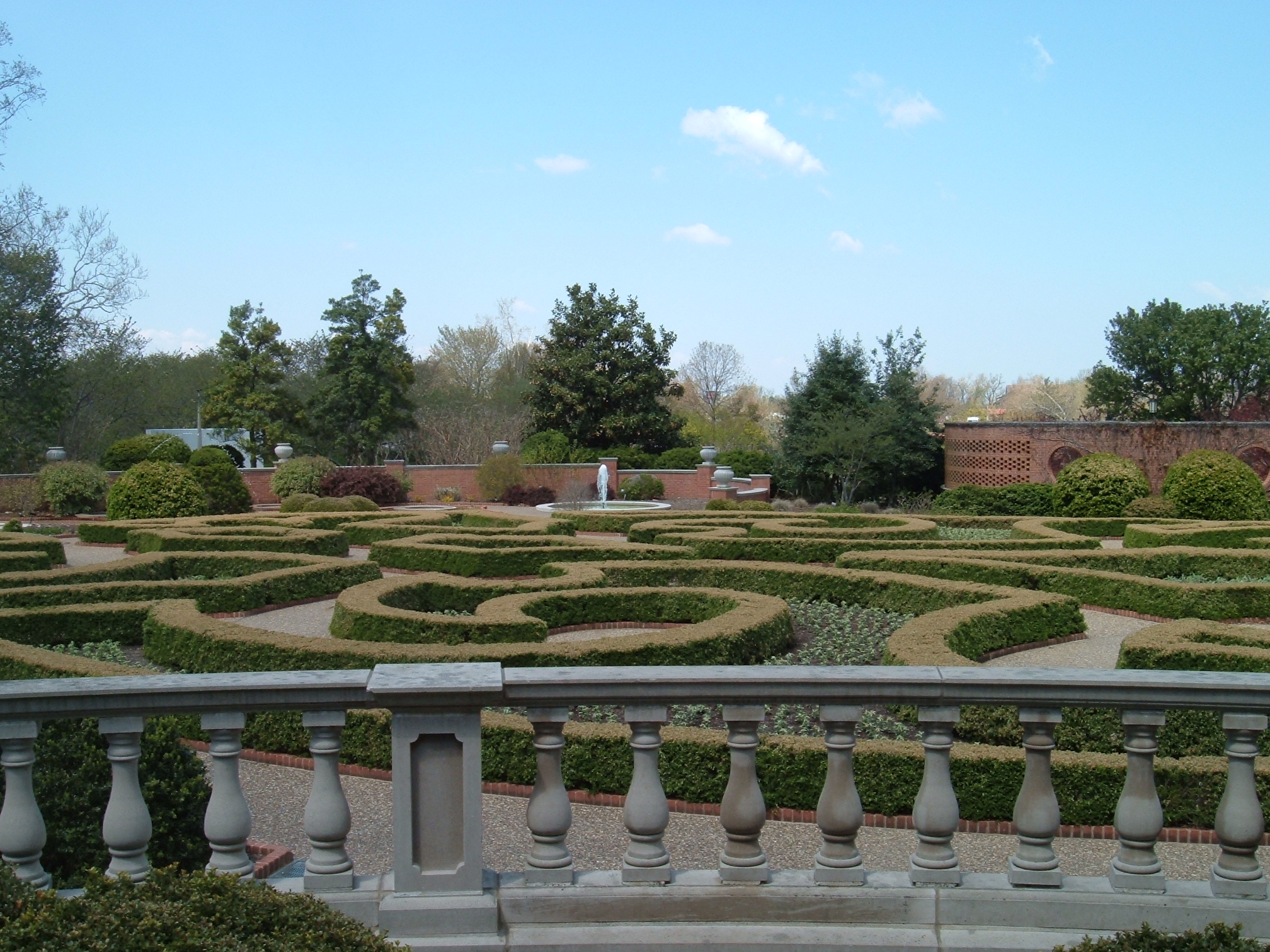
Image: Brian Zinnel – CC BY-SA 4.0/Wikimedia Commons